Winter house maintenance tips to reduce drafts, prevent damage and improve safety
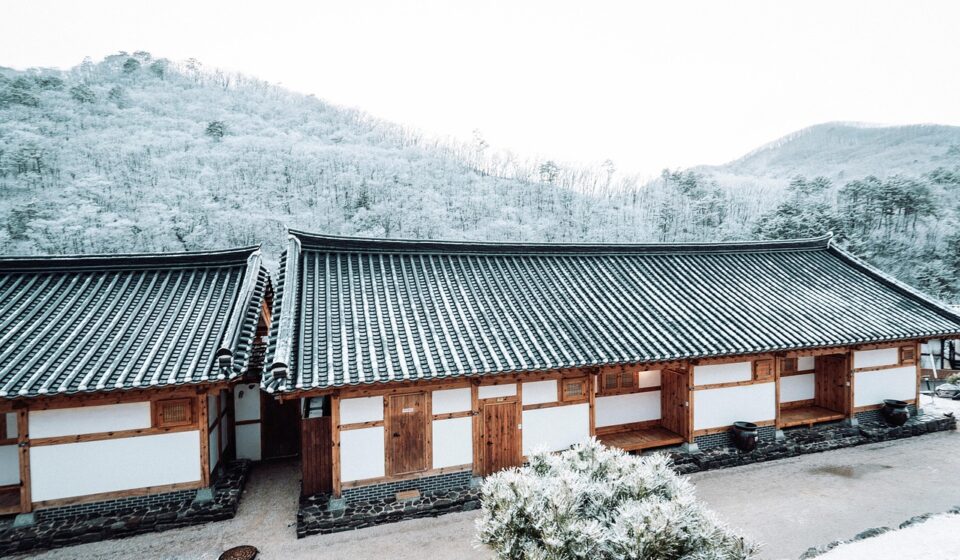
Winter house maintenance is most effective when it starts before the first hard freeze. The priorities are simple: keep heat indoors, prevent freeze damage and reduce safety risks when storms interrupt normal routines. Begin with air leaks, insulation, heating equipment, exterior water lines and smoke and carbon monoxide alarms. Then prepare for storm conditions by protecting pipes, keeping vents clear and using backup power safely. The U.S. Department of Energy, FEMA, the National Weather Service, CDC and NFPA all point to the same practical lesson: small preventive tasks completed early are safer and usually less costly than emergency repairs during a cold snap. For more seasonal home upkeep ideas, see our maintenance tips section.
Start with the building envelope before cold weather settles in
The building envelope is the boundary between conditioned indoor space and outdoor weather. In winter, weak points in that boundary let heated air escape and cold air enter. The Department of Energy describes weatherization as a combination of air sealing, insulation and related improvements that help a home use energy more efficiently. For most homeowners, the best starting point is not a major renovation. It is a careful walk-through of the areas where leaks are common and repairs are practical.
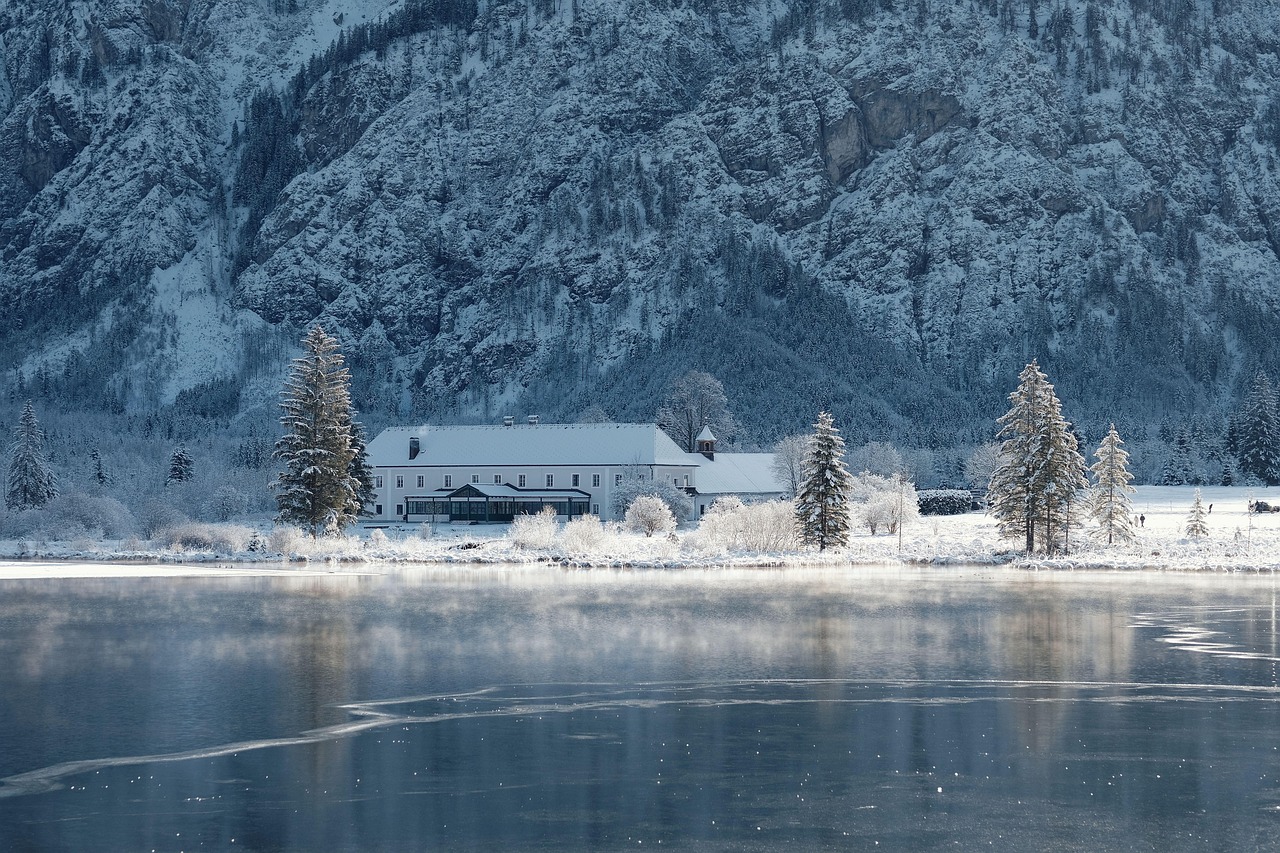
Check around window frames, exterior doors, attic hatches, recessed lights, plumbing penetrations, dryer vents, electrical outlets on exterior walls, baseboards and the rim joist above basement walls. On a windy day, drafts may be easy to feel by hand. Some homeowners use a smoke pen or incense stick to see air movement, but any flame or smoke source should be handled carefully and kept away from curtains, insulation and other combustible materials.
Seal the small leaks first
Caulk is generally used for stationary gaps around trim, siding joints and penetrations. Weatherstripping is better for movable parts, such as doors and operable windows. Expanding foam can help around larger penetrations, but it must be used in the right amount and in the right location. Overfilling a gap near a window or door can make the frame difficult to operate.
Do not ignore leaks at the top and bottom of the house. Warm indoor air often rises and escapes through upper-level gaps, while cold air is pulled in through lower openings. That stack effect can make a home feel drafty even when the thermostat is set high. Sealing attic hatches, gaps around plumbing chases and openings near chimneys can make a noticeable comfort difference. Around chimneys and flues, use only materials rated for high temperatures and maintain required clearances.
Check insulation without blocking airflow where it matters
Insulation works best after air leaks are controlled. Adding insulation over an unsealed attic can hide gaps while still allowing warm, moist air to escape into cold spaces. That can contribute to condensation, damp insulation and roof problems. In the attic, look for uneven insulation, compressed areas, gaps near eaves and places where insulation has been moved for wiring or repairs.
Be careful not to block soffit vents or other designed ventilation pathways. A cold roof deck with proper air sealing and ventilation is less likely to develop moisture issues. If you see frost on roof sheathing, persistent attic moisture, stained insulation or mold-like growth, treat it as a diagnostic problem rather than simply adding more insulation.
Tune heating equipment and use thermostats deliberately
Heating equipment carries a heavy winter workload. A maintenance check before deep winter can reduce breakdown risk and may improve comfort. For forced-air furnaces and heat pumps, start with the filter. A dirty filter restricts airflow, which can reduce performance and strain equipment. Follow the manufacturer’s schedule, and check more often if the home has pets, construction dust or heavy system use.
Keep supply and return registers clear of furniture, rugs and storage boxes. If some rooms stay cold, make sure dampers are open and that ducts in attics, crawl spaces or garages have not separated. The Federal Trade Commission and Department of Energy both point to air leaks, duct problems, insulation and thermostat habits as common areas to review when trying to manage heating costs.
For combustion equipment such as furnaces, boilers, fireplaces and wood stoves, annual professional inspection is especially important. A technician can check burners, venting, heat exchangers, draft, safety controls and signs of corrosion or leakage. If you use a chimney, have it cleaned and inspected before regular use. Creosote buildup, bird nests, cracked liners and blocked vents can all create fire or carbon monoxide hazards.
Thermostat strategy should match the equipment and household needs. Lowering the temperature while sleeping or away can reduce heating demand, but extreme setbacks are not always ideal for heat pumps or homes with vulnerable occupants. If a heat pump uses electric resistance backup heat, a large temperature recovery may use more expensive auxiliary heat. A moderate, consistent schedule is often more comfortable and easier on the system.
Protect plumbing and exterior water points
Frozen pipes are one of the most expensive winter problems because damage is often discovered only after the pipe thaws and water begins to flow. The National Weather Service notes that pipes in exterior walls, basements, attics and under kitchen cabinets are among the places most likely to freeze. Water expands as it freezes, which can split pipes and fittings.
Before freezing weather, disconnect garden hoses, drain them and store them indoors. If your home has interior shutoff valves for outdoor faucets, close the valves and drain the exterior lines. Irrigation systems should be winterized according to the manufacturer’s instructions or by a qualified contractor. Leaving a hose attached can trap water and raise freeze pressure at the hose bib.
Insulate exposed pipes in crawl spaces, garages, attics and other unconditioned areas. Pipe sleeves are inexpensive and easy to install, but they are not a substitute for sealing cold air leaks around the pipe. If you use heat tape or heat cable, choose a listed product intended for that specific use and follow the installation instructions carefully. Damaged or improperly installed heat tape can become a fire hazard.
During unusually cold weather, open cabinet doors under sinks on exterior walls so warmer room air can reach the pipes. In high-risk areas, allowing a small trickle of water can help keep water moving, but this should be used selectively during severe cold rather than as an all-winter habit. Know where the main water shutoff valve is, label it and make sure household members can operate it. If a pipe freezes, use gentle heat such as a hair dryer or warm towels. Never use an open flame.
Reduce fire and carbon monoxide risk during winter
Winter maintenance is not only about comfort and energy use. It is also about indoor safety. NFPA research on U.S. home heating fires for 2016 through 2020 found that nearly half of heating equipment fires occurred in December, January and February. That seasonal pattern reflects the increased use of furnaces, fireplaces, wood stoves, portable heaters and backup heat during the coldest months.
Keep anything that can burn at least three feet from fireplaces, wood stoves, radiators and space heaters. This includes curtains, bedding, newspapers, furniture, holiday decorations and laundry. Plug space heaters directly into wall outlets when the manufacturer requires it, and avoid overloading circuits. A heat-producing appliance should not share an outlet with another high-load device. See also: solar products.
Portable heaters should have tip-over protection and automatic shutoff features. Place them on a flat, stable surface, away from foot traffic and out of reach of children or pets. Turn them off before sleeping or leaving the room unless the product is specifically designed and rated for unattended operation.
Carbon monoxide risk rises when people use generators, grills, camp stoves, gas ovens or other combustion devices incorrectly during outages. The CDC advises keeping portable generators outdoors, away from doors, windows and vents, and never using them in a house, basement or garage. Battery-operated or battery-backup carbon monoxide alarms should be installed and tested. Also test smoke alarms monthly and replace batteries as needed. If an alarm sounds, leave the home and call emergency services from outside.
Prepare for snow, ice, roof runoff and power outages
Storm preparation should happen before a forecast becomes urgent. Start with water management. Clean leaves and debris from gutters where it is safe to do so, confirm downspouts discharge away from the foundation and check that splash blocks or extensions are in place. Poor drainage near the foundation can contribute to basement moisture and ice buildup on walkways.
Look for tree limbs that hang over the roof, service lines or driveway. Heavy snow and ice can bring down weak branches. Trimming large limbs near power lines is not a DIY task; contact the utility or a qualified tree professional. Around the home, keep exterior vents clear, including furnace, boiler, dryer and heat pump clearances. After blowing snow, confirm that sidewall exhaust vents are not blocked.
Ice dams can form when heat escapes into the attic, melts snow on the roof and the water refreezes at colder eaves. The practical prevention is not just removing ice after it forms. It is reducing attic heat loss through air sealing, insulation and proper ventilation. If ice buildup becomes severe, avoid climbing icy roofs. Use ground-based methods only when safe, or hire a professional.
Power outage planning should include both safety and energy resilience. FEMA and the National Weather Service advise households to prepare for loss of heat, power and communication during winter storms. Keep flashlights, batteries, chargers, a weather radio, blankets, medications, basic food and water available. If anyone in the home relies on powered medical equipment, plan backup power and relocation options in advance.
Small battery packs can keep phones and radios charged. Larger portable power stations or whole-home battery systems require careful sizing and safe installation, especially if they connect to circuits or solar equipment. Any generator or battery backup plan should be tested before winter, not during the first outage.
A simple timing plan for winter maintenance
The most effective winter checklist is organized by timing. Some tasks are safe and easy in mild weather but difficult or dangerous once snow, ice and short daylight arrive.
| When to do it | Maintenance priority | Why it matters |
|---|---|---|
| Early fall | Schedule heating service, inspect chimney, replace worn weatherstripping and review insulation gaps. | Contractors are easier to book, and repairs can be finished before peak cold. |
| Before the first hard freeze | Disconnect hoses, drain exterior water lines, insulate exposed pipes and label the main water shutoff. | These steps reduce the chance of frozen pipes and water damage. |
| Before a major winter storm | Charge devices, check batteries, clear vents, bring pets indoors and confirm generator or battery backup readiness. | Storm conditions can limit travel, repairs and communication. |
| After heavy snow or extreme cold | Check vents, look for leaks, inspect gutters from the ground and watch for unusual furnace or plumbing behavior. | Damage often appears after temperatures rise or snow begins to melt. |
If time is limited, prioritize safety first: alarms, heating equipment, generator placement, blocked vents and pipe protection. Comfort and efficiency improvements such as air sealing and thermostat scheduling are still important, but life-safety risks deserve the earliest attention.
Frequently asked questions
What is the most important winter house maintenance task?
The highest priority is making the home safe to heat. Test smoke and carbon monoxide alarms, service combustion heating equipment, keep vents clear and use portable heaters or generators only as directed. After safety, focus on sealing drafts, protecting pipes and preparing for outages.
Should I let faucets drip all winter?
No. A small drip is most useful during unusually cold conditions or in plumbing runs that have frozen before. It should not replace insulation, air sealing or draining exterior lines. If you are unsure which pipes are vulnerable, inspect areas near exterior walls, crawl spaces, garages and unheated basements.
How often should heating equipment be serviced?
Most furnaces, boilers, heat pumps, fireplaces and chimneys benefit from inspection before the heating season. Follow the equipment manual and local code requirements. Combustion systems deserve particular attention because poor venting or incomplete combustion can create carbon monoxide risks.
Are portable generators safe during winter power outages?
They can be useful, but only when operated outdoors and kept away from windows, doors and vents. Never run a generator inside a house, garage, basement or partially enclosed area. Use outdoor-rated cords, keep the unit dry and make sure carbon monoxide alarms are working.
What can renters do to prepare for winter?
Renters can replace removable weatherstripping where allowed, use draft stoppers, keep vents unobstructed, test alarms, protect under-sink pipes by opening cabinet doors during extreme cold and report leaks or heating issues promptly. Major repairs, heat system work and exterior changes should go through the property owner or manager.