Indoor plants maintenance tips for healthier houseplants year-round
A practical maintenance routine for indoor plants
Good indoor plants maintenance tips begin with matching care to the plant and the room, rather than following the same weekly habit for every pot. Most houseplant problems start when light, water, drainage, temperature or humidity fall out of balance. A plant in low light uses water slowly; the same plant near a bright window may dry faster and grow more actively. A reliable routine is straightforward: place the plant where its light needs are met, check the soil before watering, let excess water drain, clean the leaves, inspect for pests and fertilize only during active growth.
This guide reflects practical guidance commonly shared by university extension horticulture programs, including the University of Minnesota Extension, University of Missouri Extension, Penn State Extension and University of Georgia Cooperative Extension. It is written for everyday plant owners who want fewer yellow leaves, fewer pest surprises and a more energy-aware approach to plant care at home.
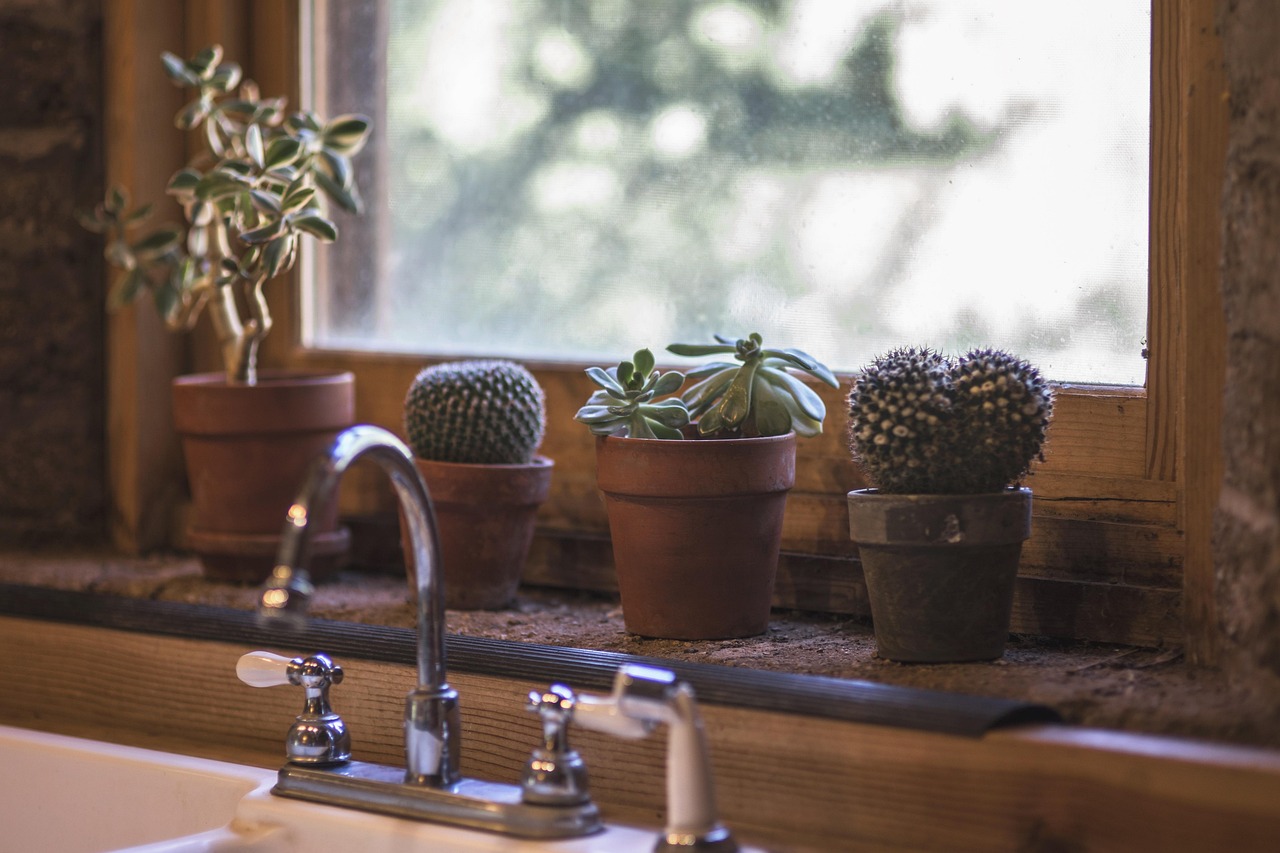
For more household care ideas, browse our maintenance tips section.
Start with light before changing water or fertilizer
Light is the first condition to check when an indoor plant starts to decline. More water, a larger pot or extra fertilizer will not correct a problem caused by the wrong light level. Extension plant-care resources consistently note that poor light can lead to weak growth, long gaps between leaves, pale foliage and limited flowering. At the same time, sudden direct sun can scorch plants that have adapted to lower light.
Think of indoor light in practical zones:
- Bright direct light: close to a sunny south- or west-facing window, suitable for many succulents and cacti if they are acclimated gradually.
- Bright indirect light: near a bright window but shielded from harsh midday sun, suitable for many tropical foliage plants.
- Medium light: a few feet from a bright window or near an east-facing window, suitable for many common houseplants.
- Low light: areas far from windows or with limited natural light; only tolerant plants should be kept here, and growth will usually be slower.
When moving a plant to brighter conditions, make the change gradually over one to two weeks. Leaves that formed in lower light can burn if they are suddenly exposed to stronger sun. This is especially important in spring, when sun angle and day length change. If leaves develop pale patches, dry edges or a bleached look after a move, pull the plant back from the window and reintroduce brighter light more slowly.
If natural light is not enough, a grow light can help, but it should be used with control. A timer prevents both under-lighting and wasted electricity. Many foliage plants perform better with a consistent light period than with random bursts of supplemental light. Place the lamp close enough to be useful, but not so close that it heats or dries the leaves.
Water by soil conditions, not by the calendar
The most reliable watering schedule is not a fixed day of the week. It is watering when the plant and pot actually need it. Soil dries at different speeds depending on light, room temperature, humidity, pot size, pot material, root volume and the plant’s growth rate. A small plant in a large pot may stay wet for a long time, while a root-filled plant near a sunny window may dry quickly.
Use these checks before watering:
- Press a finger into the top inch of potting mix. If it still feels moist for a plant that prefers moderate moisture, wait.
- Lift the pot. A dry pot often feels noticeably lighter than a wet one.
- Look for plant-specific signals, such as slight leaf softness in some tropical plants or wrinkling in succulents.
- Check the drainage hole area. If the bottom of the pot stays wet for days, drainage or pot size may be the issue.
When watering, apply water evenly to the potting mix until some drains from the bottom. Then empty the saucer. Roots left in standing water can lose access to oxygen and become more vulnerable to root rot. Many yellow-leaf problems that look like a lack of water are actually linked to excess moisture or poor drainage.
Water quality can matter for sensitive plants. Some houseplants react poorly to water that is very high in salts or to softened water used continuously. If leaf tips brown despite good watering technique, consider whether the plant is sensitive and whether filtered, rain or rested tap water is a better option. Do not assume every brown tip is a water-quality issue, though; dry air, inconsistent watering and fertilizer buildup can look similar.
Choose pots and growing media that protect roots
A healthy root zone needs moisture, air and room to grow. A decorative container without a drainage hole may look tidy, but it increases the risk of water collecting at the bottom. If you use a cachepot, keep the plant in a nursery pot with drainage and remove it when watering so excess water can fully drain before the plant goes back inside the decorative cover.
Potting mix should match the plant. Most tropical foliage plants do well in a general indoor potting mix that drains while holding some moisture. Cacti and succulents usually need a faster-draining mix. Orchids and other epiphytes often require very open media, such as bark-based mixes, rather than dense potting soil.
Avoid using garden soil for indoor containers. Outdoor soil can compact in a pot, hold water unevenly and introduce pests or disease organisms. Clean pots and fresh indoor potting mix are safer choices when repotting.
Repot only when there is a real reason. Signs include roots circling tightly inside the pot, roots growing from drainage holes, soil drying unusually fast, or water running around the root ball instead of soaking in. When repotting, move up only one pot size in most cases. A much larger pot can hold extra wet soil around a smaller root system, creating the same problem as overwatering.
Keep leaves clean and check for pests early
Dusty leaves are not just a cosmetic issue. Dust reduces the leaf surface exposed to light and can make early pest activity harder to see. Wipe large leaves with a damp cloth, supporting the leaf with one hand while cleaning with the other. Smaller sturdy plants can be rinsed gently with lukewarm water. Avoid leaf-shine products, which are unnecessary for plant health and may interfere with normal leaf function.
Make pest inspection part of normal maintenance. Look at the undersides of leaves, leaf joints, new growth and the soil surface. Common indoor pests include spider mites, mealybugs, scale insects, aphids, whiteflies and fungus gnats. Early detection is much easier to manage than a heavy infestation.
If you see pests, isolate the plant before treating it. This simple step can prevent one problem from spreading across a plant collection. Remove heavily damaged leaves, rinse off insects when appropriate and choose control methods labeled for indoor plants. Always read and follow product directions if using any pesticide or insecticidal soap.
Fungus gnats often point to consistently moist potting mix. Adult gnats are annoying, but the underlying maintenance issue is usually watering frequency or drainage. Letting the surface dry between waterings, removing decaying plant debris and avoiding soggy soil can reduce the conditions they prefer. See also: solar products.
Fertilize according to active growth
Fertilizer supports growth; it does not replace proper light, watering or root health. A plant kept in low light may not benefit from more fertilizer because it cannot use the nutrients efficiently. Overfeeding can also lead to salt buildup in the potting mix, which may damage roots and leaf tips.
Use fertilizer mainly when the plant is actively growing. For many indoor plants, that means spring through early fall, though plants under consistent artificial light may grow for longer periods. In winter, when day length and light intensity are lower in many homes, most houseplants grow more slowly and need less feeding.
A cautious approach works well:
- Use a balanced houseplant fertilizer at the label rate or weaker if the plant is sensitive.
- Do not fertilize a wilted, dry or stressed plant; correct the stress first.
- Reduce or pause feeding when growth slows significantly.
- Occasionally flush the potting mix with water that drains freely from the bottom to help reduce soluble salt buildup, if the pot drains well.
Newly purchased plants often do not need immediate fertilizer because they may already contain nutrients from the production stage. Give the plant time to adapt to your home before adding another variable.
Manage humidity and seasonal changes
Many popular indoor plants come from humid environments, but most homes become dry during heating season. Low humidity can contribute to brown leaf edges, curled leaves and faster moisture loss from the potting mix. Penn State Extension and other horticulture sources note that misting creates only a short-lived humidity increase because the effect ends as soon as the water evaporates.
More practical humidity steps include using a room humidifier, placing plants on a pebble tray with water below the pot base, grouping compatible plants, and keeping sensitive plants away from heating vents or cold drafts. Do not let the pot sit directly in water on a humidity tray; the goal is evaporation around the plant, not a wet root zone.
Seasonal transitions also matter. In spring and summer, longer days can increase growth and water use. In fall and winter, many plants slow down, so the same watering routine may become too wet. If you move houseplants outdoors during warm months, acclimate them gradually to outdoor light and bring them back inside before cold nights stress tropical foliage. A commonly used threshold is to avoid exposing many tropical houseplants to nights below about 50°F.
Quick troubleshooting guide
| Symptom | Likely causes to check first | Maintenance response |
|---|---|---|
| Yellow lower leaves | Overwatering, low light, normal aging, poor drainage | Check soil moisture and drainage before adding water or fertilizer. |
| Brown leaf tips | Dry air, inconsistent watering, salt buildup, sensitive roots | Improve watering consistency, flush the pot if appropriate and review humidity. |
| Leggy growth | Insufficient light or one-sided light exposure | Move gradually to brighter indirect light and rotate the pot regularly. |
| Wilting with wet soil | Root stress, poor drainage or root rot risk | Stop watering, inspect drainage and consider repotting only if roots are compromised. |
| Small flying gnats | Moist soil surface and decaying organic matter | Let the top layer dry more between waterings and remove fallen leaves. |
| Sticky leaves or cottony patches | Scale, aphids or mealybugs | Isolate the plant, inspect leaf undersides and treat early with an indoor-safe method. |
Energy-aware indoor plant maintenance
Plant care can also be more efficient. Start by choosing plants that match the light and humidity already available in your home. A low-light corner is not the right place for a plant that needs intense sun, and forcing the mismatch with extra equipment may increase cost while still producing weak growth.
Use natural daylight first where it is suitable. If supplemental lighting is needed, use a timer and position the light properly so energy is not wasted on poor placement. Keep leaves clean so plants can use available light more effectively. Water only when the plant needs it, because overwatering wastes water and often creates avoidable plant-health problems.
The most sustainable houseplant is usually the one kept healthy for years. Matching the plant to the room, buying only what you can maintain and solving small problems early all reduce plant loss, replacement purchases and unnecessary inputs.
Frequently asked questions
How often should indoor plants be watered?
There is no universal schedule. Check the potting mix first. Many foliage plants can be watered when the top inch begins to dry, while succulents usually need a deeper dry-down. Light, pot size, temperature and season all affect the timing.
Should indoor plants be fertilized in winter?
Usually less often, and sometimes not at all. If a plant is not actively growing because winter light is low, it needs fewer nutrients. Fertilizing a stressed or slow-growing plant can cause salt buildup without solving the real problem.
Is misting enough to raise humidity?
Misting may briefly wet leaf surfaces, but the humidity increase is short-lived. A humidifier, pebble tray or better plant placement is usually more effective for plants that need consistently higher humidity.
When should a houseplant be repotted?
Repot when the plant is clearly root-bound, dries out too quickly, has roots coming through drainage holes, or the potting mix has broken down. Do not repot only because a plant has one yellow leaf.
What is the most important indoor plant maintenance habit?
Observation. Check soil moisture, leaf condition, light exposure and pest signs regularly. Small changes are easier to correct than advanced root rot, severe pest infestations or months of poor light.