How to choose renewable energy generators for backup power and off-grid use
Quick answer
Renewable energy generators convert local renewable resources, usually sunlight, wind or flowing water, into usable electricity and often store it in a battery. For most homes, cabins, RVs and small worksites, the practical choice is a solar generator or a professionally installed solar-plus-storage system. The right model is not simply the one with the largest advertised capacity. It is the one that can run your essential loads, recharge fast enough in real conditions and meet the safety standards that apply to its use.
A portable unit may be enough for phones, LED lighting, routers and a refrigerator during a short outage. Larger or more critical loads, such as well pumps, medical devices, space conditioning or business equipment, usually require a dedicated battery system, electrical planning and permitted installation.

This guide explains how to compare renewable energy generators without relying on product hype, and how to avoid common sizing and safety mistakes. For related product selection articles, visit the buying guides section.
What counts as a renewable energy generator
The phrase renewable energy generator can describe several types of equipment. In consumer markets, it often means a portable battery power station charged by solar panels. In electrical engineering, it can also refer to wind turbines, micro-hydro turbines, biomass generator sets, geothermal generation or grid-connected solar-plus-storage systems. The common point is that the primary energy source is renewable rather than a delivered fuel such as gasoline, diesel or propane.
That distinction matters because renewable systems do not behave like fuel generators. A fuel generator can keep running as long as fuel is available and the unit is maintained. A solar-battery generator is quiet and produces no exhaust at the point of use, but it is limited by stored battery energy and by the sunlight available for recharging. A wind or micro-hydro system may generate for longer periods, but only where the local resource is strong, predictable and allowed by local rules.
Public energy data also shows why the category is broad. The U.S. Energy Information Administration tracks renewable electricity from wind, solar, hydropower, biomass and geothermal sources, while the International Energy Agency reported in its Global Energy Review 2026 that renewables accounted for the vast majority of global electricity generation growth in 2025. For a buyer, however, the practical question is narrower: what system can reliably supply your loads at the place and time you need power?
Portable solar generators
A portable solar generator usually combines a rechargeable battery, inverter, charge controller, display and outlets in one unit. Solar panels may be bundled with the unit or sold separately. These systems are popular for apartments, camping, RVs, jobsite electronics and short emergency backup because they are movable and do not require fuel storage.
Installed solar-plus-storage systems
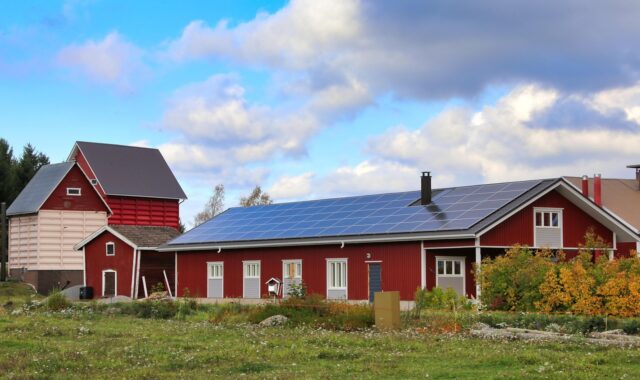
An installed system combines rooftop or ground-mounted solar panels with one or more stationary batteries, a hybrid inverter and electrical equipment that separates backup circuits from the grid during an outage. The U.S. Department of Energy notes that solar and storage can improve resilience because electricity can be generated and stored without depending on fuel deliveries. These systems cost more and require professional design, but they can support higher loads and longer outages.
Wind, micro-hydro and other renewable generators
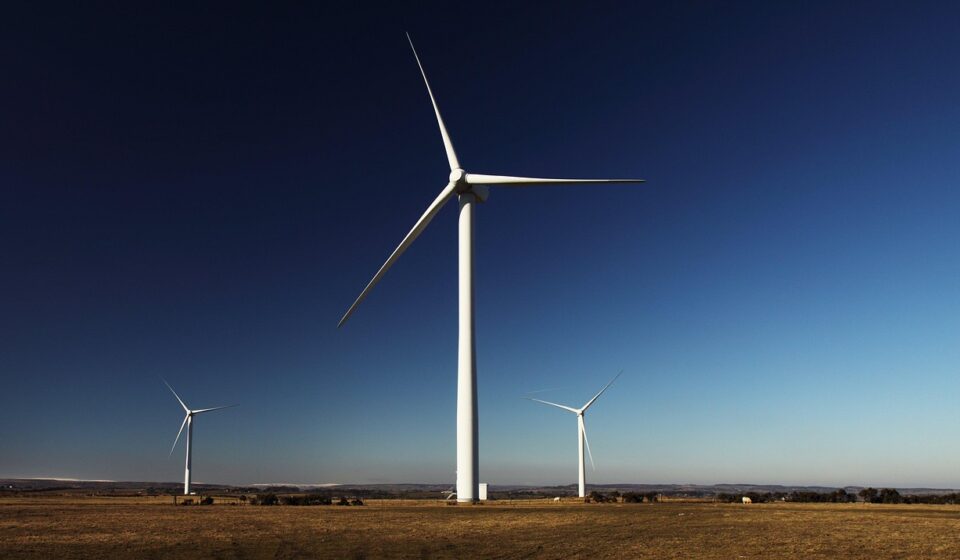
Small wind turbines and micro-hydro systems can be useful in the right location, but they are more site-specific than solar. Wind requires sufficient average wind speed, safe tower placement, maintenance access and zoning clearance. Micro-hydro depends on year-round water flow, head height and environmental permission. Biomass and biogas systems can be renewable when the fuel source is sustainable, but they are combustion systems and require a different safety and maintenance approach.
Start with the load, not the generator label
The most reliable way to size a renewable energy generator is to list the devices it must run, then calculate energy and power separately. Energy tells you how long the system can run and is usually measured in watt-hours or kilowatt-hours. Power tells you how much electricity it can deliver at a moment and is usually measured in watts or kilowatts. Many buying mistakes happen because a unit has enough battery capacity but not enough inverter output, or enough inverter output but not enough stored energy.
Use this basic formula for a first estimate: watts multiplied by hours equals watt-hours. If a 60-watt device runs for 10 hours, it uses about 600 watt-hours. Real-world results vary because inverters, batteries and chargers have losses, and some appliances cycle on and off rather than running continuously. A practical sizing plan should include a buffer instead of assuming perfect lab conditions.
| Load | Typical planning question | Why it matters |
|---|---|---|
| Phone, laptop, router and LED lights | How many devices need daily charging? | Usually suitable for small portable solar generators. |
| Refrigerator or freezer | What is the daily energy use and startup surge? | Needs both sufficient battery capacity and surge power. |
| Well pump or sump pump | What is the motor starting wattage? | Motor loads can exceed running power by several times. |
| Medical equipment | What runtime is required and is backup medically critical? | May require redundancy, professional advice and a backup plan. |
| Heating, cooling or cooking | Can the system support high continuous wattage? | Often too demanding for small portable units. |
Separate critical loads from comfort loads. A refrigerator, communications equipment and medical device may be essential. A clothes dryer, electric oven or central air conditioner may be unrealistic for a portable battery unless the system is very large. This is not a weakness of renewable energy generators; it is the result of matching finite battery storage to loads that can draw large amounts of power.
Match the generator type to the use case
There is no single renewable generator that fits every buyer. A compact power station that works well for camping may be inadequate for a three-day grid outage. A fixed home battery may be excellent for resilience but too expensive and immobile for occasional outdoor use. The better comparison is by use case.
| Use case | Suitable option | Main limitation to check |
|---|---|---|
| Apartment outage kit | Portable battery with foldable solar panel | Limited solar charging area and balcony rules. |
| RV or camping | Portable solar generator with DC and AC outputs | Panel placement, weather and daily recharge rate. |
| Home essentials backup | Larger portable unit or installed battery backup | Refrigerator surge, circuit connection and runtime. |
| Whole-home backup | Installed solar-plus-storage system | Cost, permitting, load management and installer design. |
| Remote cabin | Solar-plus-battery, possibly with wind or micro-hydro | Seasonal resource variation and maintenance access. |
| Small business continuity | Engineered battery system with critical-load panel | Downtime tolerance, code compliance and service support. |
For occasional light-duty use, portability and simple charging may matter more than maximum capacity. For backup power, reliability, safety certification, pass-through behavior, warranty terms and serviceability become more important. For off-grid sites, the renewable resource should be measured or conservatively estimated across seasons, not judged from a sunny weekend or a windy afternoon.
Battery, inverter and solar input specs that actually matter
Product pages often highlight a large headline capacity, but buyers should look at the operating details. Usable battery capacity, inverter rating, surge rating, solar input limit and charging time determine whether a system will work in practice.
Usable capacity
Battery capacity is commonly shown in watt-hours or kilowatt-hours. A 2,000 watt-hour unit does not always deliver every watt-hour to your appliance because conversion losses and reserve settings reduce usable output. Compare usable capacity when it is available, and allow margin for cold weather, battery aging and cloudy days.
Continuous and surge power
The continuous inverter rating tells you how much load the unit can support steadily. The surge rating tells you whether it can start motors or compressors. Refrigerators, pumps and power tools may need a brief startup surge above their running wattage. If the surge rating is unclear, ask for documentation rather than assuming the unit can handle motor loads.
Solar input and recharge time
Solar charging depends on panel wattage, input voltage range, charge controller limits, sunlight, panel angle, shade and temperature. A generator with a large battery but a low solar input may take too long to recover after an outage. For backup use, calculate whether the system can replace the energy you use each day under conservative sunlight assumptions. See also: solar products.
Battery chemistry
Many newer portable and stationary systems use lithium iron phosphate chemistry because it is generally valued for cycle life and thermal stability. Other lithium-ion chemistries can offer higher energy density. Chemistry alone should not decide the purchase; the battery management system, enclosure, certification and manufacturer support are also important.
Safety, codes and installation checks
Renewable energy generators avoid one major hazard associated with fuel-burning portable generators: carbon monoxide exhaust. The Consumer Product Safety Commission and the Centers for Disease Control and Prevention warn that gasoline-powered portable generators should not be operated indoors, in garages or near openings where exhaust can enter a building. Battery-based generators do not create combustion exhaust at the point of use, but they still require careful electrical and fire-safety review.
For portable power packs, look for safety certification relevant to the whole product, not only to individual cells. UL references UL 2743 for portable power packs. For installed energy storage systems, UL 9540 is a key safety standard, and inverters used with distributed energy resources are commonly evaluated under UL 1741. Exact requirements depend on jurisdiction, system design and use case, so certification labels should be checked against the product documentation and local code requirements.
Connection method is another critical issue. Plugging a generator into a home circuit without approved transfer equipment can create backfeed hazards. Installed systems should use permitted transfer equipment, critical-load panels or other code-compliant arrangements designed by qualified professionals. Even a portable system should be used with appropriate cords, ventilation clearance, dry placement and manufacturer-approved charging equipment.
Cost, maintenance and reliability considerations
Renewable energy generators shift the cost profile from fuel to equipment. A battery-solar system can reduce or eliminate fuel storage for certain backup needs, but the upfront cost can be higher than a small fuel generator. It may also require additional solar panels, cables, mounts, transfer equipment or professional installation. Incentives and utility rules can change by location and date, so buyers should verify current programs before treating them as part of the budget.
Maintenance is usually lighter than combustion equipment, but it is not zero. Portable systems should be stored within the manufacturer’s temperature range, charged periodically, protected from moisture and tested before storm season. Solar panels should be kept clean enough to perform, and cables should be inspected for wear. Installed systems may require firmware updates, monitoring checks and service visits if faults appear.
Reliability also depends on redundancy. If backup power is important, consider whether you need a second charging method, extra panels, a second battery module or a separate emergency power plan. A renewable generator is strongest when the loads are prioritized and the recharge source is predictable. It is weakest when buyers expect a small battery to behave like an unlimited fuel supply.
A practical buying checklist
Before choosing a renewable energy generator, work through a short checklist. It will filter out many poor-fit products before price becomes the main focus.
- Define the mission. Decide whether the system is for camping, short outages, daily off-grid use or critical backup.
- List essential loads. Record running watts, startup watts and required hours for each device.
- Calculate daily energy. Add watt-hours and include a margin for losses and cloudy conditions.
- Check inverter output. Confirm continuous and surge ratings for the actual loads.
- Check recharge rate. Compare solar input limits with the panels you plan to use.
- Review certifications. Look for applicable safety standards for the product category.
- Plan connection safely. Use qualified electrical help for home circuits, transfer equipment or stationary batteries.
- Verify service support. Review warranty terms, battery replacement options and local installer availability.
- Avoid vague claims. Treat phrases such as powers a whole home with caution unless backed by load calculations.
The best purchase is usually the system that fits a clearly defined load profile with enough safety margin, not the one with the largest advertised capacity. If your needs may grow, choose a modular system only if expansion is clearly supported by the manufacturer and by local electrical rules.
Frequently asked questions
Are renewable energy generators the same as solar generators?
Not always. Solar generators are the most common consumer version, but renewable energy generators can also include wind, micro-hydro, biomass or hybrid systems. In everyday buying guides, the term often means a battery power station that can be recharged by solar panels.
Can a solar generator run a refrigerator?
Yes, if the battery has enough usable capacity and the inverter can handle the refrigerator’s startup surge. The refrigerator’s daily energy use matters more than its nameplate wattage alone. For outage planning, include extra margin because door openings, room temperature and compressor cycling affect runtime.
Can renewable generators replace fuel generators?
They can replace fuel generators for many electronics, lighting, refrigeration and selected backup loads. They may not be a direct replacement for high-power heating, large air conditioning, heavy tools or long outages unless the system is large, well designed and able to recharge reliably.
Do portable solar generators need professional installation?
Small portable units used directly with plug-in devices usually do not need permanent installation. However, connecting any generator or battery system to home wiring should be handled with approved equipment and qualified electrical guidance. Stationary solar-plus-storage systems normally require permits, code compliance and professional installation.
What is the biggest mistake buyers make?
The biggest mistake is buying by battery size alone. A useful renewable energy generator must match the load, inverter surge requirement, recharge conditions, safety requirements and connection method. A simple load calculation before purchase can prevent most disappointments.