How to choose solar LED outdoor lights for homes and commercial spaces
Solar LED outdoor lights are a system, not just a lamp
Solar LED outdoor lights are useful when a path, wall, yard, garden, parking edge, gate, sign, or remote site needs light without trenching cable or depending on a nearby outlet. The buying decision is not only about brightness. A reliable solar light has to collect enough sunlight during the day, store enough energy in a battery, deliver useful light through efficient LEDs, and control that light so it operates only when needed. For most buyers, the best comparison is at system level: panel size, battery capacity, lumen output, optics, weather protection, mounting position, and sensor logic.
This is important because outdoor solar lighting fails or underperforms in different ways than wired lighting. A wired fixture usually has problems related to the lamp, driver, wiring, or moisture ingress. A solar fixture can also suffer from shade, short winter days, battery aging, poor panel angle, or an over-bright operating mode that drains stored energy before morning.
For broader context on renewable-energy product categories, you can also visit the solar products section.
How solar LED outdoor lights work after sunset
A solar outdoor light combines four main parts. The photovoltaic module converts sunlight into direct-current electricity. A rechargeable battery stores that energy. LEDs turn stored electricity into light. A controller manages charging, discharging, dusk-to-dawn switching, motion sensing, dimming, and battery protection.
The U.S. Department of Energy explains photovoltaic technology as a process in which sunlight is absorbed by PV cells, creating electrical charges that move and produce electricity. In a small solar lighting product, that electricity normally charges a local battery during daylight hours. After dark, the controller supplies the LED board according to the selected mode.
The practical rule is simple: one weak link reduces the whole result. A high-lumen LED board cannot stay bright if the battery is too small. A large battery will not help much if the panel is shaded. A large panel may still perform poorly if the controller wastes energy or if the fixture throws light upward instead of onto the task area. Buyers should read specifications as a system, not as isolated marketing numbers.
Specifications that matter more than a large watt claim
Many low-cost outdoor lights advertise wattage because the term is familiar. For solar LED outdoor lights, wattage alone is a weak selection guide. It may refer to the solar panel, the LED board, a theoretical maximum, or an output level that is not sustained through the night. More useful specifications include lumens, battery watt-hours, charging time, discharge mode, beam angle, weather rating, and operating temperature range.
Lumens and useful light distribution
Lumens describe total visible light output, but they do not show where the light goes. A path light with modest lumens can work well if it spreads light evenly across steps or paving. A floodlight may need more lumens, but a beam that is too narrow can create bright spots and dark gaps. For safety and comfort, distribution often matters as much as total brightness.
Look for product information that describes beam angle, mounting height, coverage area, and intended use. A wall security light should not be evaluated in the same way as a decorative garden stake light. If the fixture is intended for a driveway, courtyard, loading area, or public path, the optical design should support visibility without unnecessary glare.
Battery capacity and night autonomy
Battery capacity determines how long the light can operate after sunset. Some product pages list milliamp-hours, but watt-hours are easier to compare because they account for voltage. A lighting mode that runs at full brightness all night needs far more stored energy than a fixture that dims after midnight or brightens only when motion is detected.
Battery aging also needs to be part of the decision. Rechargeable batteries gradually lose usable capacity through charge cycles, heat, and time. For locations where lighting is important every night, choose products with clear battery specifications, replaceable battery design where practical, and conservative lighting modes instead of relying only on maximum-brightness claims.
Solar panel size, placement, and charging window
The solar panel must receive direct sun for enough hours to recharge the battery. Shade from trees, rooflines, signs, poles, vehicles, or nearby walls can sharply reduce charging. Winter performance may also be weaker because days are shorter and the sun is lower in the sky in many regions.
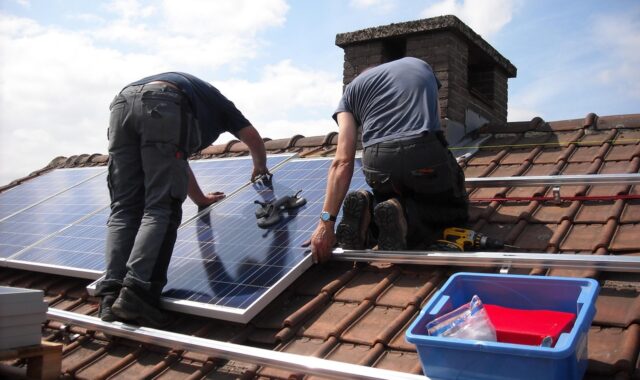
For this reason, panel placement is a design decision. Integrated lights, where the panel and lamp are in one body, are simple to install but must be mounted where both sunlight and lighting direction are correct. Split solar lights allow the panel to be placed in a sunnier position while the lamp is aimed at the task area. This can be a clear advantage for gates, shaded entrances, north-facing walls, and covered walkways.
Weather resistance and enclosure quality
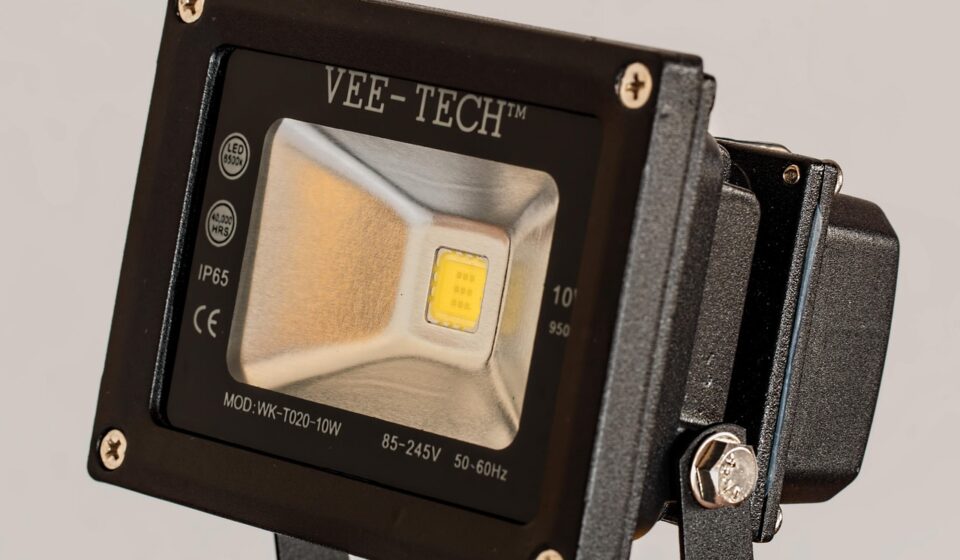
Outdoor lights face rain, dust, heat, cold, ultraviolet exposure, insects, wind, and sometimes salt air. The IEC 60529 ingress protection code is widely used to describe enclosure protection against solids and water. In practical terms, an IP65-style rating is commonly associated with dust-tight protection and resistance to water jets, while higher ratings may be needed for harsher exposure. An IP rating does not replace overall build quality, drainage design, gasket quality, corrosion resistance, or safe electrical design.
Material choice also matters. Aluminum housings can help with heat dissipation. UV-stable plastics are important for long outdoor exposure. Stainless fasteners can reduce rust issues. Clear covers should resist yellowing because optical loss reduces useful light over time.
Matching fixture type to the application
The right solar light depends on the job. A decorative fixture that looks good in a garden may not suit a loading area. A bright floodlight may solve a visibility problem but create glare if it is aimed poorly. The table below summarizes common applications and the specifications that deserve attention.
| Application | Common fixture type | Key selection points |
|---|---|---|
| Walkways and garden paths | Stake lights, bollards, low path lights | Low glare, even spacing, warm color temperature, stable ground mounting |
| Porches and entrances | Wall-mounted solar lights | Motion sensing, downward aim, reliable dusk detection, easy battery access |
| Yards and driveways | Solar floodlights or area lights | Beam angle, mounting height, motion range, adjustable brightness modes |
| Remote gates and signs | Split-panel lights or compact area lights | Panel placement, battery autonomy, vandal resistance, focused illumination |
| Small commercial outdoor areas | Pole, wall, or area luminaires | Documented system design, replaceable components, safety certification, lighting layout |
For commercial or public-facing use, buyers should ask for more than a product photo. Useful documentation may include a photometric file, battery capacity, panel wattage, controller mode description, operating temperature range, installation instructions, and applicable safety or performance certifications. UL 8801, for example, addresses photovoltaic luminaire systems as complete systems that include PV modules, batteries, luminaires, and controls.
Responsible outdoor lighting is part of performance
Good outdoor lighting is not the same as maximum brightness. DarkSky International and the Illuminating Engineering Society promote five broad principles for responsible outdoor lighting: use light only when it is useful, aim it carefully, keep it no brighter than necessary, control it with timers or sensors, and use warmer color where possible. These principles are especially relevant to solar lights because unnecessary brightness drains battery capacity and can create glare. See also: efficiency guides.
Color temperature deserves attention. Many outdoor lighting guidance documents recommend warmer light, often 3000 K or lower for residential and community settings, because cooler blue-rich light can increase glare and contribute more strongly to skyglow and light trespass. A warmer fixture can still be bright enough for steps, doors, paths, and signs if it is aimed correctly.
Controls are also important. Motion sensing allows a light to remain dim for much of the night and brighten when movement is detected. Dimming schedules can extend battery life and reduce nuisance light. However, motion sensors should match the site. A sensor near a busy street may trigger too often, while a poorly positioned sensor near a gate may fail to detect a person approaching from the side.
Installation details that determine real-world results
Even a well-designed light can disappoint if it is installed poorly. Before mounting, observe the site during the day and after sunset. Confirm where shadows fall, where people need visibility, and where glare could affect neighbors, drivers, windows, or security cameras.
- Place the panel for sun, not convenience. A panel under a roof edge or tree canopy may look tidy but charge poorly.
- Aim the light downward. Light should fall on the task area, not into eyes, windows, or the sky.
- Use the correct mounting height. Higher mounting can improve coverage, but it can also increase glare if the optics are not designed for that height.
- Allow for maintenance access. Batteries, covers, screws, and switches should be reachable without unsafe work.
- Check the first week of operation. Observe whether the light lasts until morning, triggers properly, and avoids unwanted spill light.
- Clean the panel periodically. Dust, pollen, leaves, bird droppings, and snow can reduce charging.
For multi-light installations, avoid spacing fixtures based only on how they look in daylight. Test actual nighttime coverage. Too many bright lights can waste stored energy and make dark areas between fixtures feel even darker. Fewer, better-aimed lights often produce a more comfortable result.
Limits and risks to consider before buying
Solar LED outdoor lights are practical, but they are not the right answer for every site. If a location requires guaranteed all-night illumination for life safety, emergency egress, regulated roadway lighting, or critical security, a professionally engineered lighting system may be required. Some solar luminaires are designed for serious outdoor area lighting, but small consumer fixtures should not be assumed to meet those needs.
Climate is another limitation. Cold can reduce battery performance, while heat can accelerate battery and electronics aging. Coastal locations may require stronger corrosion resistance. Snow can cover panels. Heavy shade can make solar lighting unreliable no matter how good the fixture is. In these cases, split-panel designs, larger panels, lower output modes, or wired power may be more appropriate.
Be cautious when a product claims extreme brightness, very long runtime, a tiny panel, and a small battery at the same time. Those claims may not all be achievable under normal outdoor conditions. A more credible product description explains the trade-offs: how long the light runs at high output, when it dims, how much sun is required, what the battery capacity is, and how the fixture protects the battery from overcharge and deep discharge.
A practical pre-purchase checklist
Before selecting solar LED outdoor lights, use a short checklist to compare options consistently.
- Define the task: visibility, decoration, wayfinding, deterrence, sign lighting, or general area lighting.
- Check the sun path and shade at the intended panel location.
- Compare lumens, beam angle, and mounting height together.
- Look for battery capacity in watt-hours or enough data to estimate it.
- Choose lighting modes that match the site, such as dusk-to-dawn dimming or motion activation.
- Confirm weather rating, housing material, and corrosion resistance for the environment.
- Prefer warm, shielded, downward-directed light where visibility needs allow.
- Review installation instructions and maintenance access before purchase.
The best solar light is not necessarily the brightest or the most expensive. It is the one that delivers the right amount of light, in the right place, for the required hours, with a battery and panel sized for the actual site.
Frequently asked questions
Are solar LED outdoor lights bright enough for security?
They can be, especially for entrances, side yards, gates, sheds, and low-traffic driveways. For stronger security lighting, look for documented lumen output, motion sensing, adequate battery capacity, and an adjustable beam. For regulated or high-risk sites, a professional lighting assessment is safer than relying on a small consumer fixture.
How long should a solar outdoor light stay on at night?
Runtime depends on battery capacity, LED output, control mode, weather, season, and panel exposure. A motion-sensing light may last much longer than a full-brightness dusk-to-dawn light because it uses high output only part of the time. If all-night performance matters, choose a product that states its operating mode clearly rather than only giving an ideal runtime claim.
Is a higher IP rating always better?
A higher IP rating can indicate stronger protection against dust or water, but it is not the only durability factor. Outdoor reliability also depends on materials, seals, drainage, cable entries, corrosion resistance, thermal management, and installation quality. Match the rating and construction to the actual exposure.
What color temperature is best for outdoor solar lights?
Warm white light is often a better choice for homes, gardens, paths, and community areas because it can reduce glare and visual harshness compared with cooler blue-rich light. Many responsible outdoor lighting guidelines point to 3000 K or lower where practical. The final choice should still provide enough visibility for the task.
Do solar LED outdoor lights need maintenance?
Yes. Maintenance is usually simple but important. Keep the solar panel clean, remove leaves or snow, check that the fixture has not shifted, confirm sensors are unobstructed, and inspect fasteners or seals after severe weather. Battery replacement may eventually be needed if the design allows it.