Solar roof guide for 2026 when a full roof replacement makes sense
Solar roof decisions changed in 2026
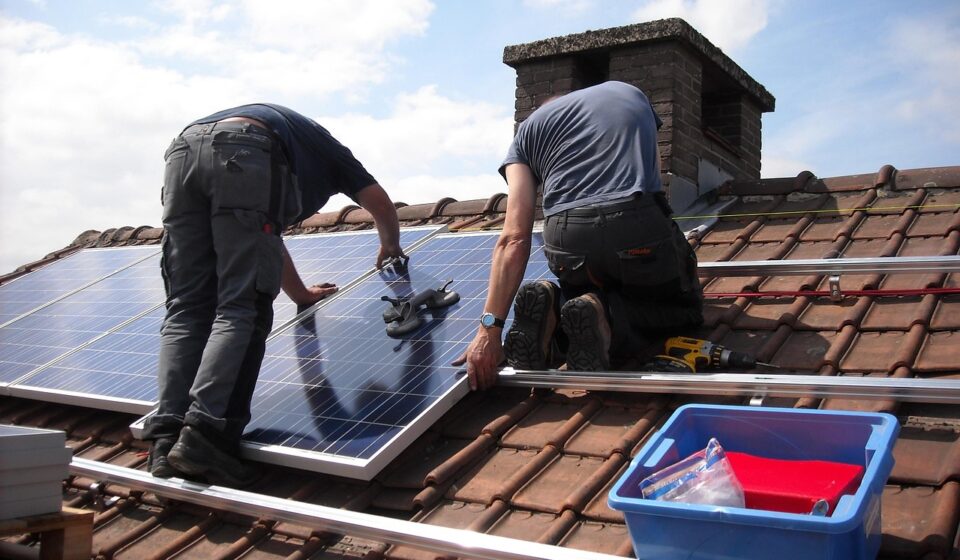
A solar roof is most practical when a building already needs a new roof, has sunny roof planes, and the owner is willing to compare an integrated appearance against the cost and performance of conventional rack-mounted solar panels. In 2026, the decision is less about one national incentive and more about roof timing, local electricity rates, state programs, utility export rules, warranties and installation quality. IRS guidance says the U.S. residential clean energy credit is not available for residential property placed in service after December 31, 2025, so homeowners need to check project economics at the local level. For many projects, the better question is not simply “Should I get solar?” but “Should the roof replacement and solar investment be designed as one system?”
This article is for readers comparing solar roof shingles, building-integrated photovoltaics and standard rooftop PV. For related coverage, see the solar products section.
What a solar roof actually means
The phrase solar roof can mean different things in sales materials, permits and homeowner discussions. Before comparing quotes, it helps to separate three common approaches.
Rack-mounted rooftop solar panels
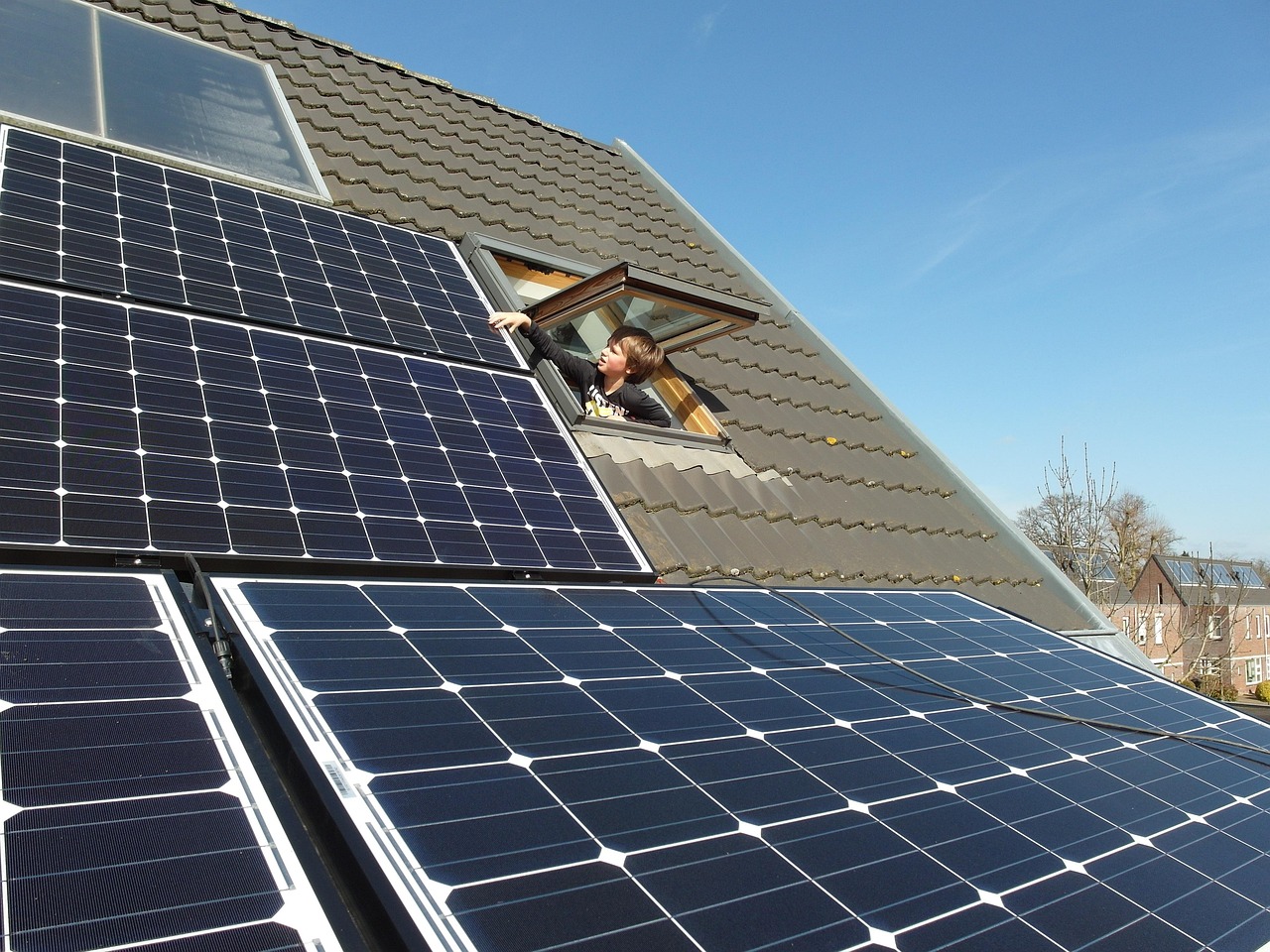
This is the most familiar option. Conventional PV modules are mounted on rails or a rail-less mounting system above an existing roof covering. The roof remains the weather barrier, while the solar array sits above it. This approach is widely used because installers, inspectors, financiers and maintenance teams know the product category well. It can also make later service simpler because individual modules and roof sections may be easier to access.
Solar shingles and building-integrated PV
Solar shingles are a type of building-integrated photovoltaic product. Instead of placing modules over shingles or tiles, the active solar components become part of the roof covering. The U.S. Department of Energy describes building-integrated photovoltaics as solar technology integrated into the building envelope, including roof surfaces. In practical terms, the product has to do two jobs at once: generate electricity and help protect the building from weather.
Solar-ready roof replacement
A third option is not a product category but a planning strategy. A homeowner may replace the roof first and install standard panels immediately afterward, or design conduit paths, roof planes and electrical upgrades so PV can be added later. This can be a useful middle ground when integrated solar shingles are not available, are too expensive or do not suit the roof shape.
Why roof timing matters more than product hype
A solar roof usually makes the strongest financial and technical case when the existing roof is near the end of its useful life. Installing solar on a roof that may need major work within a few years can add removal, storage and reinstallation costs. Replacing a sound roof only to justify a premium integrated solar system can also weaken the economics.
Roof life depends on material, climate, workmanship, ventilation, storm exposure and maintenance. Asphalt shingles, standing-seam metal, concrete tile and low-slope commercial membranes age in different ways. That is why a roof inspection should come before system design. The installer should evaluate decking condition, leaks, attic ventilation, penetrations, fire setbacks, drainage, snow load where relevant and available unshaded area.
Solar shingles and other integrated systems add another coordination issue because roofing and electrical scopes meet in the same product. A good proposal should state who is responsible for roof workmanship, electrical work, flashing, underlayment, monitoring, inverter equipment, utility paperwork and warranty claims. If those responsibilities are split across companies, the contract should explain how disputes are handled.
The 2026 market and policy context
As of September 16, 2026, the U.S. residential solar market is operating after a major federal incentive change. IRS guidance tied to the 2025 tax law change states that the residential clean energy credit under Section 25D is not available for property placed in service after December 31, 2025. This does not mean every solar roof has poor economics. It means the project case now depends more heavily on state incentives, utility tariffs, retail electricity prices, battery value, financing terms and whether third-party ownership structures qualify for separate commercial incentives.
Industry data shows why the residential market is being watched closely. SEIA and Wood Mackenzie reported that the U.S. residential segment installed 4,647 MWdc of solar capacity in 2025, down 2% from 2024, and forecast a sharper contraction in 2026 after the Section 25D expiration. Berkeley Lab’s distributed solar and storage dataset, updated with systems installed through the end of 2025, covers roughly 5.3 million distributed systems and shows how large and varied the installed base has become.
The long-term technical opportunity remains significant. NREL analysis cited by the Department of Energy estimated more than 8 billion square meters of U.S. rooftops with potential for solar panels, representing more than 1 terawatt of possible rooftop solar capacity. That estimate is technical potential, not a claim that every roof is economical or easy to build on. Shading, orientation, roof condition, structural limits, permitting, interconnection rules and customer economics all narrow the practical market.
Solar roof shingles vs rooftop panels
Solar shingles are often compared with conventional panels as if they solve the same problem in the same way. They do not. A solar shingle roof is usually a roofing project with electrical generation built into the surface. A panel system is usually an electrical generation project mounted above a separate roof. That difference affects pricing, design, maintenance and risk allocation.
| Decision factor | Solar shingles or integrated PV | Rack-mounted rooftop panels |
|---|---|---|
| Best fit | Homes already replacing the roof, especially where appearance is a major priority | Homes with a sound roof and enough sunny area for conventional modules |
| Weather barrier | The solar product is part of the roof covering | The existing roof remains the main weather barrier |
| Design flexibility | May be constrained by shingle layout, roof geometry and product availability | Often easier to size using standard module dimensions and multiple mounting options |
| Service model | Requires clear coordination between roofing and electrical warranty responsibilities | Typically serviced through solar contractors, with separate roof warranty considerations |
| Cost comparison | Should be compared against a combined roof replacement plus solar package | Can be compared more directly on dollars per watt for the PV system |
| Aesthetic result | Lower-profile appearance when installed well | Visible modules above the roof surface |
The cost comparison can be misleading if it ignores roofing work. For a home that does not need a new roof, conventional panels often have an advantage because the customer is not paying for a full roof replacement. For a home that already needs new roofing, an integrated solar roof can be evaluated against the combined cost of a conventional roof plus a separate PV array.
Price data should also be read carefully. Berkeley Lab’s 2025 distributed solar update reported wide price variation across major residential installers in 2024, with median prices among top installers ranging broadly even before considering batteries, roof work, financing fees or local permitting costs. That variation is a reminder to compare itemized proposals, not only headline system prices.
Technical checks before choosing a solar roof
A solar roof is not suitable just because a roof receives sunlight. The first technical question is usable roof area. South-facing roof planes are often valuable in the Northern Hemisphere, but east- and west-facing surfaces can also perform well depending on utility rates and household load patterns. Shade from trees, chimneys, dormers, nearby buildings and roof equipment can reduce production. A professional design should use measured or modeled shade data rather than a visual guess.
The second question is roof complexity. Simple rectangular planes are usually easier and less expensive to work with than roofs broken up by valleys, hips, skylights, vents and multiple pitches. Integrated solar products may need non-active roofing sections around edges or obstructions, so the ratio of active generating area to total roof area matters. See also: efficiency guides.
The third question is code compliance. Building-integrated photovoltaic roof coverings are addressed by product safety and building-code requirements. UL 7103 was developed for building-integrated photovoltaic roof coverings, while model building codes may also reference PV module safety standards and roof assembly requirements. The exact requirement depends on the jurisdiction and the adopted code version, so the proposal should identify the product listing, fire classification, wind rating, installation manual and inspection path.
The fourth question is electrical integration. The design should account for inverter selection, rapid shutdown requirements, service panel capacity, battery compatibility, monitoring, grounding, utility interconnection and meter changes. If a battery is included, the customer should understand whether it is intended for backup power, time-of-use savings, grid services or all three. Backup expectations should be specific because not every solar-plus-storage system powers the whole home during an outage.
When a solar roof makes sense
A solar roof is worth serious consideration when several conditions line up. The building needs a new roof or major roof work. The owner plans to keep the property long enough to benefit from future electricity savings. The roof has enough unshaded area. Local permitting and interconnection are realistic. The quote separates roofing, solar, battery and electrical upgrade costs. The warranty language clearly explains both weather protection and power performance.
It can also make sense for design-sensitive homes where the owner does not want visible panels. In neighborhoods with strict appearance expectations, a lower-profile integrated system may be easier to accept, although homeowners should still confirm association rules, local design review and building permits before signing.
A solar roof may not be the right choice when the existing roof is healthy, the home has heavy shade, electricity rates are low, the owner expects to move soon, or the only available proposal is vague about warranty responsibility. It may also be less attractive when a conventional panel system can deliver more capacity on the same roof at a lower installed cost and with easier maintenance.
For commercial and industrial roofs, the decision is different. Low-slope roof membranes, structural loading, landlord-tenant arrangements, insurance, roof access and demand charges can matter more than appearance. Many commercial projects still favor conventional racking or ballasted systems because they can be designed around roof membranes and maintenance access.
How to compare quotes without missing hidden risks
A strong proposal should let the customer compare roof value, energy value and risk. At minimum, it should include system size in kWdc, estimated first-year production in kWh, roof scope, active and inactive roof areas, inverter details, battery details if included, permitting assumptions, utility interconnection assumptions, expected timeline and warranty documents.
- Separate the roof cost from the solar cost. If the proposal bundles everything, ask for a breakdown so the integrated system can be compared with a conventional roof plus panels.
- Check the production model. Annual kWh estimates should reflect orientation, tilt, shade and local weather assumptions.
- Review degradation assumptions. PV output declines over time, so long-term savings should not assume first-year production forever.
- Confirm what “placed in service” means for any incentive claim. Tax and rebate rules often depend on completion, permission to operate or other defined milestones.
- Ask who handles roof leaks. Integrated systems need clear workmanship responsibility because the power system and roof covering are connected.
- Compare financing separately. Dealer fees, interest rates, escalators and lease terms can change the real cost more than small equipment differences.
The safest comparison is not the lowest price or the most attractive rendering. It is the proposal that explains assumptions, limits and responsibilities clearly enough that another qualified contractor could review it.
Frequently asked questions
Is a solar roof the same as solar panels?
No. In everyday speech, both may be called a solar roof, but technically they are different. Solar panels are mounted above a roof covering. Solar shingles or building-integrated PV products become part of the roof covering itself.
Is a solar roof worth it after the federal residential credit ended?
It depends on location and project design. After December 31, 2025, the former federal residential clean energy credit is no longer available for qualifying residential property placed in service after that date, according to IRS guidance. State incentives, electricity rates, net billing rules, battery value, financing and roof replacement timing now carry more weight.
Do solar shingles produce as much power as standard panels?
Not always. Output depends on product efficiency, active roof area, shade, orientation, pitch and system design. Standard panels may fit more capacity on some roofs, while integrated shingles may be chosen for appearance or roof-replacement coordination rather than maximum watts per square foot.
Should I replace my roof before installing solar?
If the roof is near the end of its useful life, replacement before solar installation is often the cleaner path. If the roof is still in good condition, a conventional panel system may avoid the cost of premature reroofing. A roof inspection should come before final solar design.
What is the most important document to review?
Review the full contract and warranty package, not just the sales proposal. For a solar roof, pay special attention to weatherization coverage, power output coverage, workmanship responsibility, exclusions, transferability and who handles roof leak claims.