New solar panels in 2026 and what actually matters for efficiency
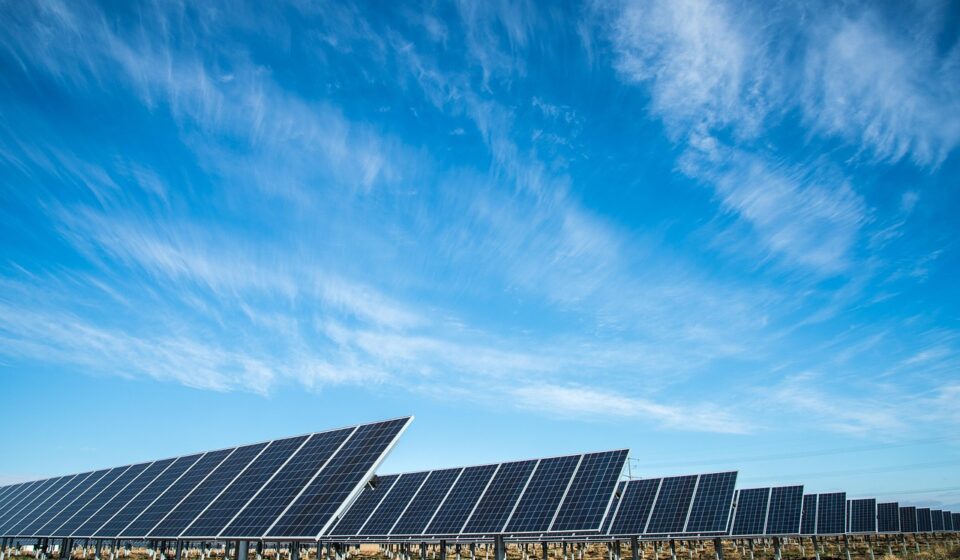
What makes a solar panel new in 2026?
New solar panels in 2026 are not defined by a single breakthrough. The market is moving through a combination of improved silicon cell architectures, more refined module packaging, broader use of bifacial designs, and continued progress in perovskite-silicon tandem research. For buyers, the practical question is direct: will the newer panel deliver more reliable lifetime energy from the same space, at a cost that makes sense?
That distinction matters because a panel can be new without being the right choice for a project. A high-wattage module may simply be physically larger. A laboratory efficiency record may not be available as a bankable commercial module. A premium panel may be valuable on a crowded roof but add little benefit where land or roof area is plentiful. This guide focuses on how to read the claims behind new panels and compare them in a practical way. For related energy-saving topics, visit our efficiency guides.
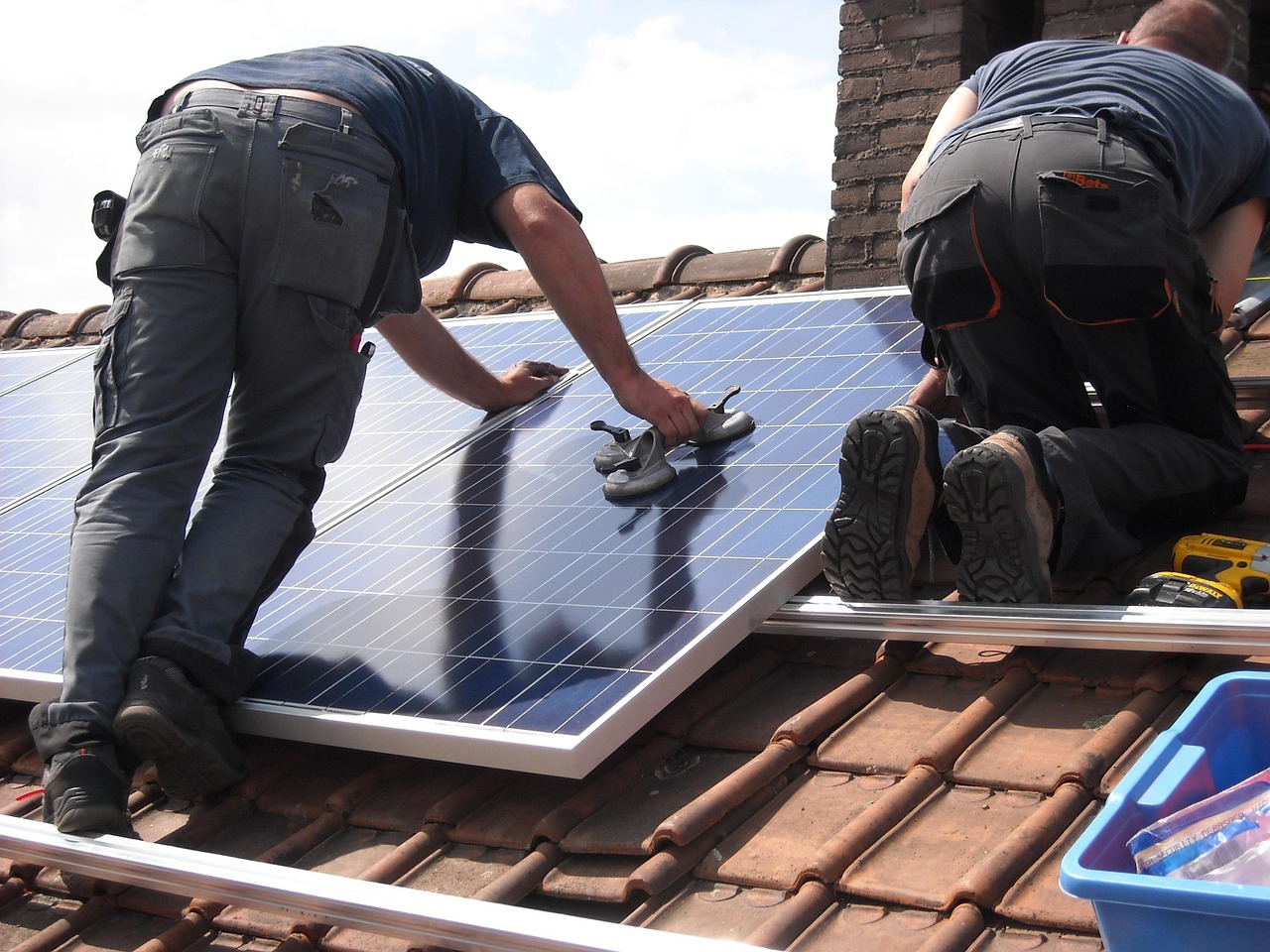
Efficiency claims need context
The U.S. Department of Energy defines photovoltaic conversion efficiency as the share of solar energy striking a PV device that becomes usable electricity. That definition is clear, but real-world output depends on much more than the efficiency number printed on a datasheet.
Panel ratings are usually measured under standard test conditions, which make products easier to compare. A roof, field, or carport is different. Cell temperature, mounting angle, dust, shade, wiring losses, inverter behavior, and the local solar resource all affect how much energy the system actually produces. A new panel with a slightly higher rated efficiency is therefore not automatically the lowest-cost energy option.
NREL efficiency charts also separate research cells from commercial modules. Small laboratory cells can reach much higher records than full-size modules because they are tested under controlled conditions and do not carry all the packaging, durability, and manufacturing constraints of deployed products. The research still matters because it points to where future products may go. For current projects, however, buyers should compare commercial datasheets, certifications, warranties, and modeled energy yield rather than laboratory headlines.
| Metric | What it tells you | What to watch |
|---|---|---|
| Module efficiency | How much sunlight becomes electricity per unit of area | Most valuable when roof or land area is limited |
| Wattage rating | Maximum rated output under test conditions | Higher wattage may come from a larger module |
| Temperature coefficient | How output changes as the panel gets hot | Important in warm climates and low-ventilation mounts |
| Degradation rate | Expected annual performance decline | Compare warranty terms with realistic lifetime yield |
| Bifacial gain | Extra production from light reaching the rear side | Depends heavily on mounting height and ground reflectivity |
The main technologies behind new solar panels
N-type TOPCon
Many newer crystalline silicon modules use n-type cell designs such as TOPCon, short for tunnel oxide passivated contact. The main aim is to reduce electrical losses at the cell surface and contacts, helping the cell turn more incoming light into current. Compared with older p-type PERC designs, TOPCon modules are often positioned as a step toward higher efficiency and better long-term performance.
The practical takeaway is not that every TOPCon module is automatically superior. Buyers should compare the complete datasheet: module efficiency, temperature coefficient, product warranty, performance warranty, physical dimensions, weight, and system compatibility. Cell architecture is useful context, but the finished module and the installed system determine the outcome.
Heterojunction technology
Heterojunction, often shortened to HJT, combines crystalline silicon with thin amorphous silicon layers. This structure can support high conversion efficiency and strong high-temperature performance. HJT modules are often discussed alongside other premium n-type products because they can work well where space is constrained or where heat-related performance losses matter.
The limitation is cost and availability. A premium technology may not be the best value if the price difference is large, the installer has limited experience with the product, or the system design does not benefit from the extra efficiency. As with any newer module, the decision should be based on projected energy production and total installed cost, not the acronym alone.
Bifacial and glass-glass modules
Bifacial panels can generate electricity from light hitting both the front and rear sides of the module. They can be especially useful for ground-mounted systems, elevated commercial arrays, carports, and other installations where the rear side receives reflected light. Glass-glass construction can also support durability goals, depending on the module design.
On a typical dark residential roof with panels mounted close to the surface, rear-side light may be limited. In that setting, a bifacial module may still be a good panel, but the bifacial feature itself may add little energy. The albedo of the surface below the panel, row spacing, mounting height, and shade patterns all shape the actual benefit.
Perovskite-silicon tandem cells
Perovskite-silicon tandem technology is one of the most important research directions behind future new solar panels. The idea is to place a perovskite absorber above a silicon cell so different layers capture different parts of the solar spectrum. DOE materials explain that multijunction and tandem cells can reach higher efficiency because light not absorbed by one layer can be captured by another.
The progress is real, but the buying signal should be cautious. DOE research discussions continue to emphasize durability, manufacturability, efficiency at scale, and technology validation as major commercialization challenges. In other words, tandem records and pilot announcements do not automatically translate into widely available residential panels with decades of proven outdoor performance. For most near-term projects, conventional crystalline silicon modules remain the practical benchmark.
What recent market data says about panel value
Public market data points to a solar sector that is growing and changing quickly. IEA PVPS reported that global cumulative installed PV capacity exceeded 2,260 GW by the end of 2024, with roughly 553 GW to 601 GW newly installed during 2024. That scale helps explain why manufacturers continue to push module efficiency, factory throughput, and material savings.
Cost trends also matter. IRENA reported that the global weighted average cost of electricity from solar PV in 2025 remained at about USD 44 per megawatt-hour, the same level as 2024. IEA analysis has also described a market shaped by manufacturing overcapacity, low module prices, trade barriers, and regulatory shifts. These forces can make advanced panels more accessible in some markets while creating price uncertainty in others.
For buyers, the conclusion is more nuanced than simply waiting for the newest product. Module prices are only one part of a system. Racking, inverters, batteries, electrical work, permitting, labor, financing, and local policy can dominate the installed price. A new panel can reduce the number of modules needed or increase production from a limited area, but it cannot fix poor design, a shaded roof, or weak installation quality. See also: solar products.
How to compare new solar panels before buying
A useful comparison starts with the project goal. A homeowner with a small roof and rising electricity use may value higher efficiency more than a ground-mounted project with plenty of space. A commercial building may need to account for roof load, fire setbacks, and production during working hours. An off-grid site may prioritize reliability, storage integration, and maintainability.
Before choosing a new module, ask for the full datasheet and system model. The proposal should show expected annual production, assumptions about shade and orientation, inverter sizing, estimated degradation, and any clipping losses. If a salesperson focuses only on panel wattage, the comparison is incomplete.
- Check module efficiency and dimensions together. A higher-watt panel is more valuable if it produces more power from the same area, not only because it is larger.
- Review the temperature coefficient. Hot panels produce less power, so this figure matters in warm regions and low-airflow rooftop installations.
- Compare warranties carefully. Product warranties cover defects, while performance warranties describe expected output over time.
- Look for relevant certifications. Modules should meet the standards required in the installation market, and the installer should be able to document compliance.
- Model the whole system. The inverter, roof layout, shade conditions, and string design can affect output as much as the panel choice.
- Ask how replacements will work. Larger formats and fast-changing model lines can complicate future service if a module must be replaced.
When newer panels make the biggest difference
Newer high-efficiency panels are most useful when space is the constraint. A small roof, multiple vents, dormers, chimneys, fire setbacks, or partial shading can limit the number of modules that fit. In those cases, higher module efficiency can increase annual production without expanding the array footprint.
They can also matter when electricity demand is increasing. Households adding electric vehicles, heat pumps, induction cooking, or battery storage may need more generation from the same roof area. Commercial sites may want to offset daytime load without using additional land. In these cases, paying more for efficient modules can be rational if the energy model supports it.
There are also cases where the newest panel is not necessary. If there is ample roof or land area, a slightly lower-efficiency module from a reliable manufacturer may deliver a better cost per lifetime kilowatt-hour. If the roof will need replacement soon, panel selection should be secondary to timing the solar project correctly. If heavy shading cannot be solved, module efficiency alone will not recover the lost production.
Limits and risks to keep in mind
The biggest risk with new solar panels is confusing product maturity with technical promise. A module that looks impressive in a press release still needs certified performance, stable manufacturing quality, field reliability, warranty support, and installer familiarity. This is especially important for emerging tandem and perovskite products.
Policy and supply-chain conditions can also change the economics. Tariffs, domestic-content rules, incentive deadlines, grid interconnection queues, and local permitting practices can affect project timing and cost. These factors vary by market and change over time, so they should be checked close to purchase rather than assumed from older articles or broad averages.
Finally, remember that a solar system is a long-lived asset. The best choice is rarely the panel with the loudest claim. It is the combination of module, inverter, racking, layout, workmanship, monitoring, warranty support, and realistic production modeling that produces dependable value over decades.
Frequently asked questions
Are new solar panels worth replacing older working panels?
Usually not for efficiency alone. Replacing working panels only makes sense when the existing system is failing, the roof is being rebuilt, energy needs have changed substantially, or the upgrade improves the total economics after labor and equipment costs.
Are perovskite solar panels ready for normal home installations in 2026?
Perovskite and perovskite-silicon tandem technologies are advancing quickly, but they are still judged against challenges such as durability, scalable manufacturing, and long-term validation. Most ordinary home projects in 2026 should still compare proven crystalline silicon modules first.
Is a higher-wattage solar panel always more efficient?
No. A higher wattage rating can come from better efficiency, a larger physical module, or both. Always compare wattage with module dimensions and efficiency to understand how much power the panel produces per unit of area.
Do bifacial panels work well on residential roofs?
They can work, but the rear-side gain is often limited when panels sit close to a dark roof. Bifacial designs usually show more benefit on elevated structures, reflective surfaces, and ground-mounted systems with better rear-side exposure.
What is the smartest way to choose between new panels?
Compare projected lifetime energy, total installed cost, warranty quality, installer experience, and site-specific design assumptions. The newest technology is valuable only when it improves the project outcome in measurable ways.