How solar products are shifting from panels to storage-ready systems

Solar products are no longer evaluated simply as stand-alone panels. In residential, commercial and utility projects, the category now covers PV modules, inverters, racking, batteries, monitoring software, safety equipment and grid-support functions. The shift is practical: buyers are comparing complete energy systems, not isolated components. Recent market reports from the International Energy Agency, IRENA, the U.S. Department of Energy and SEIA point in the same direction. Solar PV remains a major source of new renewable power capacity, while storage, smart inverters and safer system design are becoming more important to project value. For readers following solar products, the useful question is not only which panel is efficient, but how the full system performs over time.
What counts as a solar product today
In industry use, solar products can mean small consumer devices, rooftop PV equipment, commercial systems or utility-scale project components. The core technology is photovoltaic generation, where solar cells convert sunlight into direct current electricity. That electricity then needs other equipment before it can serve a building or connect to the grid.
The most common product groups include:
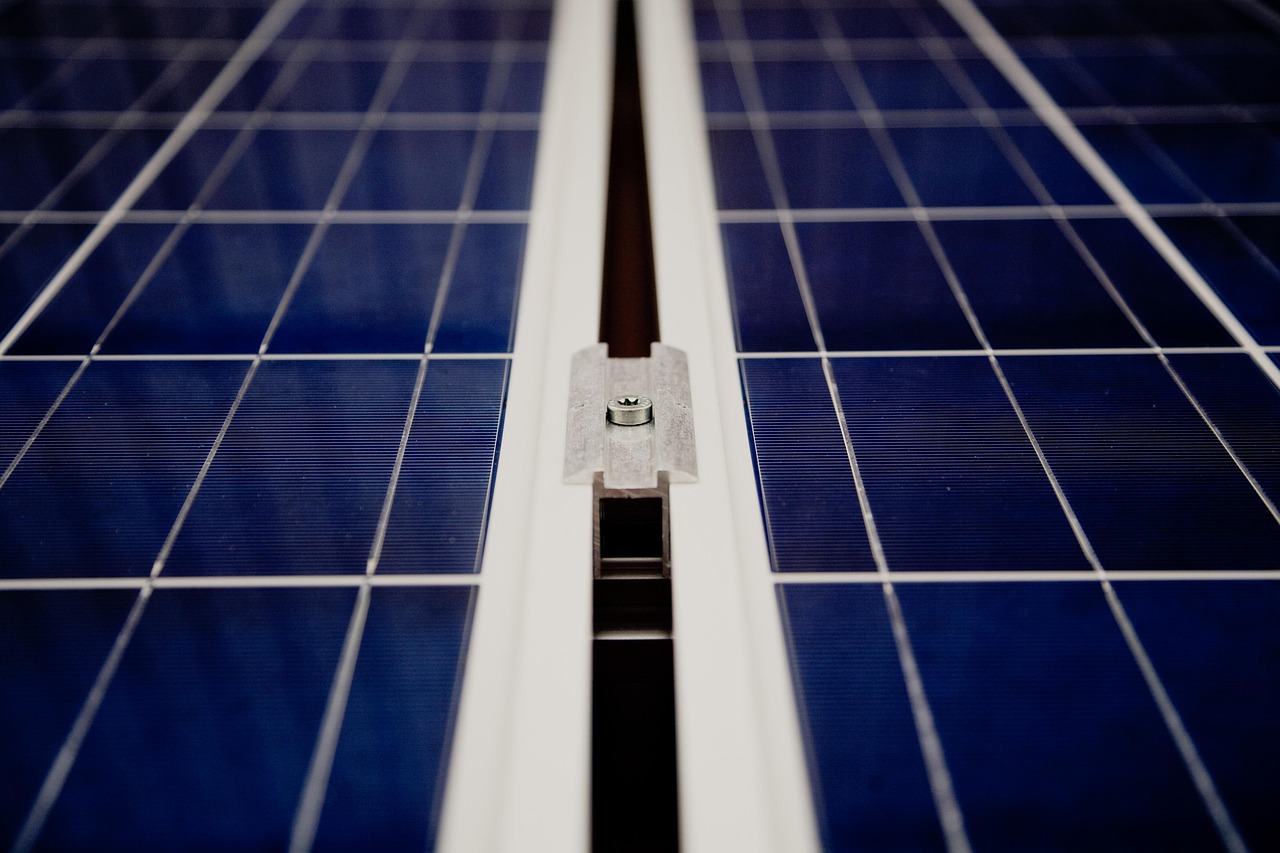
- PV modules: Solar panels made from interconnected cells, glass, encapsulants, frames and junction boxes.
- Inverters: Devices that convert direct current from panels or batteries into alternating current used by buildings and grids.
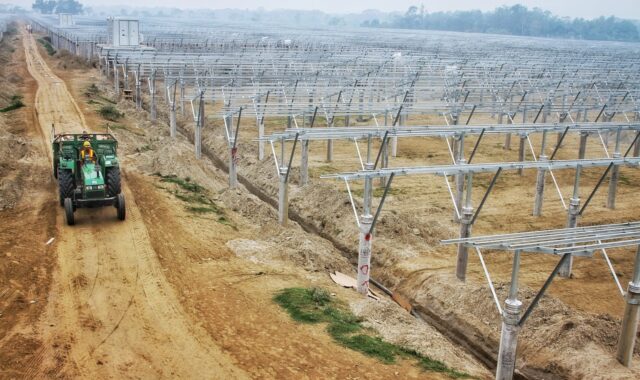
- Mounting and tracking systems: Roof racks, ground mounts and single-axis trackers that position modules securely.
- Battery energy storage systems: Equipment that stores solar electricity for later use, backup power or grid services.
- Balance-of-system components: Cabling, combiner boxes, disconnects, breakers, meters and protection devices.
- Monitoring and control software: Platforms that track generation, consumption, battery status and system alerts.
- Solar appliances and accessories: Smaller products such as solar lights, chargers, pumps and portable power kits.
This broader definition matters because real-world performance depends on compatibility. A high-output module will not deliver its expected value if shading, inverter limits, poor installation or weak monitoring reduce usable energy. Likewise, a battery is useful only when it is correctly sized, safely installed and controlled for the customer’s actual use case.
Why the market is moving toward complete systems
The global solar market has matured from an equipment-cost story into a system-integration market. IEA analysis for 2025–2030 projects that solar PV will represent a large share of renewable electricity capacity growth, supported by lower module costs, relatively efficient permitting in many markets and broad public acceptance. IRENA’s 2024 cost analysis also shows how far utility-scale PV costs have fallen since 2010, although financing, grid connection and local market rules still influence final project economics.
For buyers, panels are only one part of the decision. The more relevant comparison is lifecycle energy value: how much electricity a system can produce, when that electricity is available, how much can be self-consumed, how safely the system operates and how easily it can be maintained.
Three forces are pushing solar products into more integrated packages:
- Grid rules are more complex. Net metering, export compensation and interconnection requirements vary by utility and region. A simple panel-only system may have a different payback profile when export credits are reduced or time-of-use rates apply.
- Storage is becoming a normal design option. Batteries can improve backup capability and shift solar energy into evening demand periods, especially where electricity prices vary by time.
- Digital controls are expected. Owners increasingly want production data, fault alerts, app-based monitoring and the ability to coordinate solar with batteries, electric vehicles or smart loads.
The result is a product market where module efficiency still matters, but system architecture matters more than it did a decade ago.
Key solar product categories to compare
PV modules
Modules remain the visible face of solar products. Buyers usually compare rated power, efficiency, temperature coefficient, degradation warranty, product warranty, dimensions and mechanical load ratings. In residential projects, module size and appearance can affect roof layout. In commercial and utility projects, module selection also affects racking design, labor efficiency, shipping density and long-term operations.
Higher wattage does not automatically mean a better system. A module must match available space, inverter voltage windows, local wind and snow conditions, and project financial goals. In warm climates, temperature performance may be especially relevant because panels produce less power as cell temperature rises.
Inverters
Inverters are central to system performance because they convert DC electricity into grid-compatible AC electricity. The U.S. Department of Energy describes the inverter as one of the most important pieces of solar system equipment because it connects generation to the electrical format used by homes, businesses and the grid.
Product choices include string inverters, microinverters, power optimizers and hybrid inverters. String inverters are common in many residential, commercial and utility designs. Microinverters and optimizers can help manage module-level shading or roof planes with different orientations. Hybrid inverters are increasingly important where solar and batteries are designed together.
Advanced inverter features also matter. Smart inverters can respond to voltage or frequency conditions, disconnect when required, and in some cases support grid services. For storage-backed systems, inverter configuration affects whether selected loads can run during an outage and how smoothly the system transitions between solar, battery and grid power.
Battery storage
Batteries are one of the fastest-growing companion categories for solar products, but they should be evaluated carefully. Useful comparisons include usable capacity, continuous and peak power rating, chemistry, cycle life, warranty terms, enclosure rating, operating temperature range, software controls and safety listing.
A common mistake is to compare batteries only by kilowatt-hours. Capacity shows how much energy can be stored, while power rating shows how many loads can run at the same time. A battery may be large enough to store evening energy but not powerful enough to start every appliance during an outage. Backup designs also require a critical-loads panel or another approved configuration, depending on local code and installer practice.
Mounting, wiring and protection
Racking and electrical balance-of-system components are less visible than panels or batteries, but they strongly affect durability and safety. Roof attachments must protect the building envelope. Ground mounts must account for soil conditions, corrosion exposure and local wind loads. Wiring, disconnects and overcurrent protection must be selected and installed according to electrical codes and equipment instructions.
For commercial and utility projects, tracking systems can increase energy yield by following the sun, but they add moving parts, maintenance considerations and site-design complexity. The better product decision depends on land cost, irradiance profile, labor availability, operations strategy and financial model.
How storage and smart controls change product selection
Solar-plus-storage changes the buying process because energy timing becomes as important as energy generation. A panel-only system produces when sunlight is available. A storage-ready system can shift some of that electricity to later hours, support backup loads or reduce demand charges in certain commercial rate structures.
The U.S. Department of Energy notes that battery storage may be worth considering for homeowners concerned about outages, customers in areas without one-to-one net metering, or customers on time-of-use or demand-charge rates. That does not mean every solar buyer needs a battery. It means the value depends on the rate plan, outage risk, incentive structure and the owner’s expectations.
Smart controls add another layer. A modern energy system may decide whether to power current loads, charge a battery, export to the grid or reserve stored energy for later. For a homeowner, this may appear as an app setting. For a commercial site, it may involve a more sophisticated energy management platform. See also: efficiency guides.
This is why “storage-ready” has become a useful phrase in solar product discussions. Even if a buyer does not install a battery immediately, choosing compatible inverters, electrical space and communication architecture can make future upgrades easier. However, storage-ready should be verified in writing. The term is not a substitute for checking model compatibility, code requirements and installer design documents.
Safety, standards and consumer due diligence
Solar products sit on buildings, connect to electrical systems and may operate for decades. Safety and documentation should therefore be treated as product features, not afterthoughts.
For PV systems, buyers should ask for equipment datasheets, warranty documents, installation manuals, electrical diagrams and expected production estimates. The Federal Trade Commission advises consumers to compare detailed bids, review expected output, understand full installation costs, confirm warranties and check installer qualifications before signing solar contracts.
For batteries, safety standards are especially important because electrochemical storage introduces fire and thermal-runaway risks if equipment is poorly designed, damaged or incorrectly installed. UL Solutions explains that NFPA 855 and UL 9540A play central roles in installation practices and testing methods for battery energy storage systems. In practical terms, buyers should ask whether the battery system is listed for the intended use and whether the exact inverter-and-battery combination is approved by the manufacturer and accepted by the local authority having jurisdiction.
Important due-diligence questions include:
- Is the equipment certified or listed for the local market and application?
- Does the inverter support the selected battery model?
- What loads will operate during backup, and for how long?
- Are permits, interconnection applications and inspections included in the proposal?
- Who is responsible for monitoring, maintenance and warranty claims?
- What happens if a manufacturer changes models or discontinues a product line?
These questions are not only for homeowners. Commercial buyers also need clear documentation for insurance, operations teams, facility managers and future property transactions.
A practical comparison framework for solar products
A useful solar product comparison should connect technical specifications to real operating outcomes. The table below summarizes the main decision points.
| Product area | What to compare | Why it matters |
|---|---|---|
| PV modules | Power rating, efficiency, degradation, warranty, size, temperature coefficient | Determines roof fit, expected output and long-term generation profile |
| Inverters | Type, efficiency, voltage range, monitoring, grid-support functions, battery compatibility | Controls usable AC power, safety behavior and upgrade flexibility |
| Batteries | Usable capacity, power rating, chemistry, cycle warranty, safety listing, enclosure rating | Determines backup ability, energy shifting and safety suitability |
| Racking | Roof or ground compatibility, wind and snow ratings, corrosion resistance | Protects equipment, building structure and long-term reliability |
| Monitoring | Data access, alerts, module-level visibility, battery controls, service support | Helps detect faults and verify whether the system performs as expected |
| Proposal quality | Production estimate, full cost, permits, warranties, maintenance responsibilities | Reduces financial surprises and supports informed comparison between bids |
For most buyers, the strongest proposal is not necessarily the one with the newest panel or the largest battery. It is the one that explains assumptions clearly, matches equipment to the site, uses compatible components and defines responsibilities after installation.
What to watch next in solar product development
Several developments are likely to shape solar products over the next few years. Module improvements will continue, but for many projects incremental efficiency gains may matter less than reliability, bankability and supply-chain resilience. Hybrid inverters and battery controls will become more central as customers look for backup power and better self-consumption. Product documentation and safety certification will also receive more attention as more storage systems are installed in homes and businesses.
There is a growing difference between product features that are technically possible and product features that are approved, economical and useful in a specific location. Vehicle-to-home power, virtual power plants, bidirectional chargers and grid-forming inverters may become more visible, but adoption will depend on utility rules, equipment standards, permitting practices and customer economics.
For industry readers, the main takeaway is clear: the solar products market is becoming less about isolated hardware and more about coordinated energy systems. Panels still generate the power, but inverters, batteries, software, racking, safety standards and local policy now determine how much value that power creates.
Frequently asked questions
Are solar products only solar panels?
No. Solar panels are the core generation product, but a working solar energy system also needs inverters, mounting equipment, wiring, safety devices and often monitoring software. Many modern systems also include or prepare for battery storage.
Is a higher-efficiency solar panel always the better choice?
Not always. Higher efficiency can be valuable when roof space is limited, but buyers should also compare warranty terms, degradation rate, temperature performance, installer quality and total system cost.
Do all solar systems need batteries?
No. Batteries are useful for backup power, time-of-use rate management and greater self-consumption, but they add cost and design complexity. Their value depends on local rates, incentives, outage risk and the owner’s goals.
What does storage-ready mean?
Storage-ready usually means a solar system is designed so a battery can be added later, often through a compatible hybrid inverter or planned electrical configuration. Buyers should confirm the exact meaning with written equipment specifications because the term can vary by seller.
What is the most important thing to check before buying solar products?
Compatibility is the key issue. Panels, inverters, batteries, monitoring equipment and safety devices should be designed as a coordinated system, installed by qualified professionals and approved under local code and utility requirements.