D.light solar products for off-grid homes and small businesses
What d.light solar products are designed to do
Buyers searching for dlight solar products are usually looking for practical off-grid power, not conventional rooftop solar panels. D.light’s public product information shows a portfolio built around portable solar lanterns, plug-and-play solar home systems, solar inverters and efficient appliances for homes and small businesses with limited or unreliable grid access. The central buying question is fit: a small lantern may be enough for lighting and phone charging, a solar home system can support several lights and selected devices, and an inverter package is closer to backup power for heavier household or business use. This guide explains the main categories, what to check before buying, and how recent off-grid solar market data puts these products in context.
D.light is best understood as an energy-access brand. Its products are aimed at customers who need reliable lighting, phone charging, appliance support or backup power without depending entirely on the grid. For readers comparing the wider market, our solar products section covers related solar technologies and buying considerations.

What the current d.light product range includes
D.light’s product pages group the range into four broad categories. Actual availability can vary by country, distributor and financing program, so buyers should confirm the local model name, specification sheet and warranty terms before ordering.
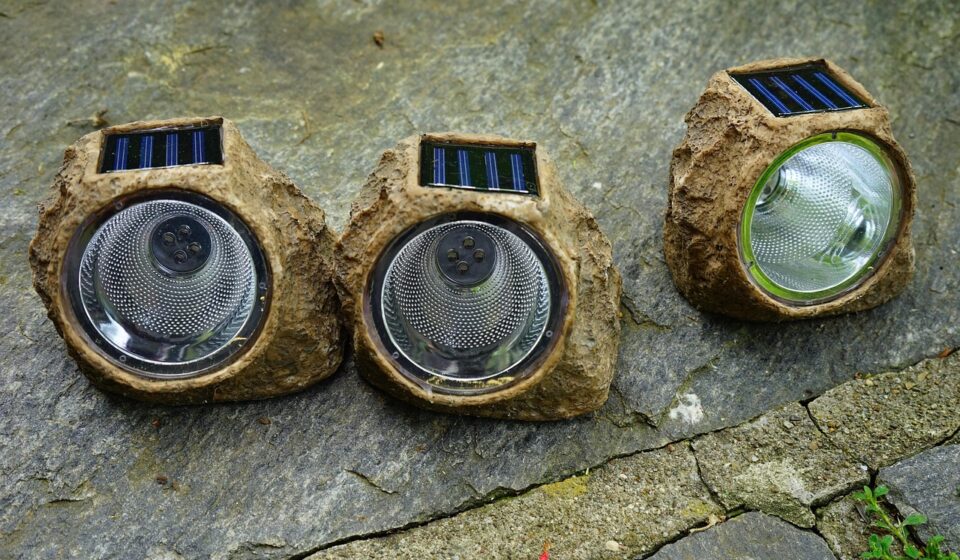
- Solar lanterns: Portable lighting products such as A2, S3, S30, S200 Pro, T100R and T500R are positioned for basic lighting, outdoor use, mobile charging on some models and emergency backup.
- Solar home systems: Models such as D10 Neo, D100, D200, X1000 Pro, X2000 Pro and X3000 Pro are designed for homes and microbusinesses that need multiple light points and support for small devices or efficient appliances.
- Solar inverters: The iMax10 Pro is positioned as a solar inverter and battery system for homes and small businesses that need cleaner and quieter backup power than a diesel generator.
- Efficient appliances: D.light lists products such as the V320S-p TV and SF40 and SF50 fans, reflecting a broader trend in off-grid solar toward appliance bundles that turn basic electricity access into useful daily services.
This mix matters because off-grid buyers often begin with one problem, such as lighting, and then identify related needs: charging phones, powering a radio, running a fan, keeping a shop open after dark or supporting entertainment through an efficient TV. A range that spans lanterns to larger home systems allows customers to scale gradually, but it also makes product selection more complex.
How to match a product category to the real energy need
The most common mistake in choosing solar products is starting with panel size instead of daily energy demand. A buyer should first list the devices to be powered, the number of hours each device will run per day, whether power is needed every night or only occasionally, and whether mobile money or PayGo financing is part of the purchase.
| Energy need | Likely d.light category | Typical use case | Main limitation to check |
|---|---|---|---|
| Single-room lighting or emergency light | Solar lantern | Study light, shop counter light, camping, power cuts | Runtime, brightness level and whether phone charging is included |
| Several rooms plus phone charging | D series solar home system | Household lighting, small shop lighting, feature phone charging | Number of light points, battery capacity and daily solar charging conditions |
| Lighting plus TV, fan or more accessories | X series solar home system | Off-grid home upgrade, customer-facing shop, family entertainment | Compatible appliances, output ports, battery size and replacement support |
| Backup power for a home or small business | Solar inverter system | Alternatives to generator use during outages | AC output, surge load, solar input, battery capacity and installation quality |
For example, d.light’s D100 product information describes a solar home system with a 9W solar panel, a lithium iron phosphate battery, two LED bulbs, one tube light, wall-mounted switches and a USB port for mobile phone charging. The same product page lists up to 12 hours of light at the low setting and a shorter runtime at high brightness. Those details are more useful than a broad claim that a system is powerful, because they show what a buyer can expect from a full charge under the stated conditions.
Product-level checks that matter more than brand name
A recognizable brand is useful, but the purchase decision should still come down to verifiable product details. Off-grid solar systems are small energy systems, not decorative gadgets. Battery chemistry, panel output, ports, lamps, wiring, switches and after-sales support all affect long-term value.
Battery and runtime
Battery capacity determines how much energy can be stored, while runtime depends on how much power the lights or appliances draw. A lantern used at low brightness may last much longer than the same lantern at maximum output. A home system used only for lights will perform very differently from one used for lights, phone charging and a TV. Buyers should look for stated runtime by brightness level or appliance configuration, not just a single headline number.
Solar panel size and charging conditions
Panel wattage matters, but local weather and installation position matter as well. A 9W or 12W panel installed in full sun will perform better than a larger panel placed in shade, behind glass or at the wrong angle. In real use, dusty panels, rainy seasons and partial shading can reduce available energy. Specification-sheet figures should be treated as controlled-reference values, and buyers should still ask how the product performs in local conditions.
Ports and appliance compatibility
Not every solar home system can power every DC appliance, and not every inverter package is suited to every AC load. Before buying, confirm the number and type of output ports, supported appliances, voltage, maximum power and whether the system is locked to specific d.light accessories. For small businesses, this step is especially important because a lighting kit for a kiosk is not the same as a backup system for refrigeration, tools or multiple devices.
Durability and ingress protection
Off-grid products are often used in dusty, hot, humid or rainy environments. Product information for systems such as the D100 distinguishes between indoor base units and outdoor solar panels. That distinction matters: the panel may be built for outdoor exposure, while the control box or battery unit may still require indoor protection.
Why PayGo, warranty and certification deserve attention
One reason d.light has become visible in off-grid energy markets is its PayGo model. Pay-as-you-go solar lets customers access a system through installments rather than paying the full price up front. This can make modern lighting and phone charging more reachable for low-income households, but buyers should compare total cost of ownership, payment schedule, lockout rules, service coverage and what happens if a payment is missed.
On June 23, 2026, d.light announced that its PayGo receivables securitization platform had reached $1 billion in cumulative purchasing capacity after a public green bond transaction for off-grid solar receivables in Africa. That financing detail does not prove that every individual product is affordable in every market. It does show that PayGo solar has become large enough to attract structured finance, which can influence product availability and consumer financing programs.
Warranty terms are another practical filter. D.light announced a five-year warranty program in February 2026, and its product pages list five-year limited warranties for some D series, X series and iMax products. Buyers should still check the local warranty document, because coverage can depend on product version, date of sale, authorized distributor, proof of purchase and the type of fault.
Quality certification is also important. VeraSol describes its certification work as independent quality assurance for pico-solar products and solar home system kits, including checks related to quality, durability and truth-in-advertising. Some d.light product pages list VeraSol certification and relevant IEC test or quality-standard references. A cautious buyer should verify the exact model and revision in the certification database or local paperwork, because certifications may apply to specific versions and may have validity periods. See also: efficiency guides.
What market data says about the need for products like these
The demand for d.light solar products is part of the wider off-grid solar market, not just a single-brand trend. The International Energy Agency’s SDG7 electricity access analysis reported that about 750 million people worldwide lacked electricity access in 2023, with roughly 600 million of them in sub-Saharan Africa. The same analysis noted that recent progress in sub-Saharan Africa was helped by record sales of solar home systems in major markets such as Ethiopia, Kenya and Nigeria.
GOGLA’s June 3, 2026 newsroom release on the 2025 Global Off-Grid Solar Market Report said affiliated companies sold 10.2 million solar energy kits in 2025, nearly 10% more than in 2024. It also reported 2.52 million solar home systems sold, up 48% year over year, and 1.83 million off-grid appliances sold globally. These figures help explain why product ranges now extend beyond simple lamps toward bundles that include TVs, fans, mobile charging and business-use appliances.
The market context also shows a limitation. Off-grid solar products are useful tools for first-time or improved energy access, but they are not a universal substitute for stable grid electricity. A small home system can transform lighting and charging, yet it may not support high-load appliances. Larger systems and inverters can do more, but they require higher investment, stronger after-sales service and clear expectations about battery life and maintenance.
A practical checklist before choosing d.light solar products
Before selecting a model, buyers and distributors should work through a short checklist. This helps avoid overspending on unnecessary capacity or undersizing a system that will disappoint the user.
- List the loads: Count every light, phone, radio, fan, TV or business device that must run.
- Estimate daily use: Write down expected hours per device, including evening and rainy-season use.
- Check the battery: Compare watt-hours, battery chemistry, expected lifespan and replacement process.
- Check the panel: Confirm wattage, mounting method, cable length and exposure to full sun.
- Verify compatibility: Make sure appliances, lights and ports match the exact product model.
- Confirm warranty terms: Ask what is covered, where repairs happen and whether the seller is authorized.
- Review PayGo conditions: Compare deposit, installment amount, total payment, grace period and unlock process.
- Look for certification: Confirm whether the specific model and revision have independent quality verification.
- Plan after-sales support: A good off-grid solar product still needs accessible service if a battery, cable, switch or controller fails.
For households, the right choice is often the smallest system that reliably meets daily needs with some margin for cloudy days. For small businesses, a larger system with stronger support may be the better option, because downtime can directly reduce income.
Frequently asked questions
Are d.light solar products the same as rooftop solar panels?
No. D.light’s core off-grid products are packaged solar lanterns, solar home systems, inverters and efficient appliances. They use solar panels, batteries and LED or appliance loads, but they are generally designed as standalone systems rather than grid-tied rooftop PV installations.
Which d.light product is suitable for phone charging and basic lighting?
A solar lantern with charging capability or an entry-level solar home system may be enough for basic lighting and phone charging. For several rooms, a D series solar home system is usually more appropriate than a single lantern.
Can a d.light solar home system run a TV or fan?
Some larger systems are designed to support compatible appliances such as efficient TVs and fans. Buyers should not assume compatibility across all models. Check the exact system, ports, battery capacity and approved appliance list before purchase.
Is PayGo always cheaper than paying cash?
Not necessarily. PayGo can reduce the upfront barrier, but the total paid over time may differ from a cash price. Compare the deposit, installment plan, service terms and ownership conditions before deciding.
What is the most important specification to compare?
There is no single specification that tells the whole story. Battery watt-hours, solar panel wattage, runtime by brightness level, appliance compatibility, warranty and local service access should be reviewed together.
Bottom line
D.light solar products are most relevant where people need dependable lighting, charging, efficient appliances or backup power in places with weak or absent grid service. The portfolio ranges from simple lanterns to larger solar home systems and inverter packages, so the right choice depends on daily energy demand rather than brand recognition alone. Buyers should verify local specifications, warranty coverage, PayGo terms and certification status before committing. Used with realistic expectations, these products can provide a practical bridge from no electricity or unreliable electricity to cleaner, more useful daily power.
Source note: This article summarizes publicly available information from d.light product and press materials, VeraSol quality-assurance guidance, International Energy Agency electricity-access analysis and GOGLA off-grid solar market reporting.