IFB washing machine maintenance tips for routine cleaning and care
Quick answer
The most useful IFB washing machine maintenance tips are straightforward, but they need to be done consistently. Wipe the door gasket and drum area after use, leave the door slightly open so the interior can dry, clean the detergent dispenser, check the drain or lint filter, keep the water inlet mesh filter clear, avoid overloading, and measure detergent instead of guessing. IFB user guidance also directs owners to model-specific instructions for the dispenser drawer, water hose mesh filter, pump filter, and tub clean cycle, because the details can differ between front load and top load machines.
For most households, a monthly cleaning routine is enough. Clean more often if the washer handles muddy clothes, pet hair, hard water, or several loads a day. Regular care is not only about keeping the drum fresh. It helps detergent rinse properly, reduces odor, lowers the risk of slow drainage, and keeps wash performance more predictable. You can find more practical upkeep guides in our maintenance tips section.

Start with the right maintenance schedule
A washing machine does not need complicated servicing from the owner, but it does need the right cleaning task at the right interval. IFB manuals and support guidance commonly highlight residue-prone areas such as the detergent drawer, hose mesh filter, and drain filter. ENERGY STAR guidance for clothes washers also points to everyday habits such as running full loads when practical, using cold water for most laundry, choosing high spin when suitable, and leaving front load doors open after use to reduce trapped moisture.
The schedule below is a practical starting point. Adjust it for your model manual, local water quality, laundry volume, and whether your machine is a front load, top load, or washer-dryer model.
| Frequency | Maintenance task | Why it matters |
|---|---|---|
| After each wash | Remove wet clothes promptly, wipe visible moisture, and leave the door or lid open for ventilation. | Reduces odor, mildew risk, and moisture trapped around seals. |
| Weekly | Wipe the door gasket, drum rim, lid area, and detergent drawer front. | Removes lint, detergent film, and small debris before buildup hardens. |
| Monthly | Clean the detergent dispenser, run a drum or tub clean cycle if your model provides one, and inspect the filter area. | Helps prevent residue, odor, poor rinsing, and slow drainage. |
| Every few months | Clean the water inlet hose mesh filter and inspect the inlet and drain hoses. | Supports proper water flow and helps catch sediment-related problems early. |
| As needed | Use a suitable descaler according to your manual and water hardness. | Hard water can leave mineral scale that affects wash quality and internal surfaces. |
Clean the detergent dispenser before residue becomes a problem
The detergent drawer is one of the first places where poor maintenance becomes visible. Powder detergent, liquid detergent, fabric softener, and water minerals can form a sticky layer inside the drawer and dispenser housing. Once residue builds up, detergent may not flush into the drum correctly, clothes can come out with streaks, and the drawer may start to smell.
Many IFB front load manuals describe a similar basic process: pull out the dispenser drawer, rinse it with warm water, clean the siphon or insert if fitted, and remove residue from the housing before refitting the drawer. A soft brush or old toothbrush is usually enough for corners and water jets. Avoid metal tools that can scratch plastic parts.
- Switch off the machine before cleaning removable parts.
- Pull the detergent drawer out as described in your model manual.
- Rinse the drawer with warm water until detergent film is gone.
- Remove and clean the siphon or softener insert if your model has one.
- Wipe the dispenser housing, especially the upper water-jet area.
- Dry the drawer lightly, refit it, and keep it slightly open when the machine is not in use if your laundry area allows.
Do not add extra detergent to “make the machine cleaner.” Too much detergent is a common cause of residue because efficient washers use controlled water levels. If clothes feel stiff, smell soapy, or show white streaks, reduce the dose, check the load size, and make sure the detergent type matches the selected program.
Keep the drum, gasket, and door area dry
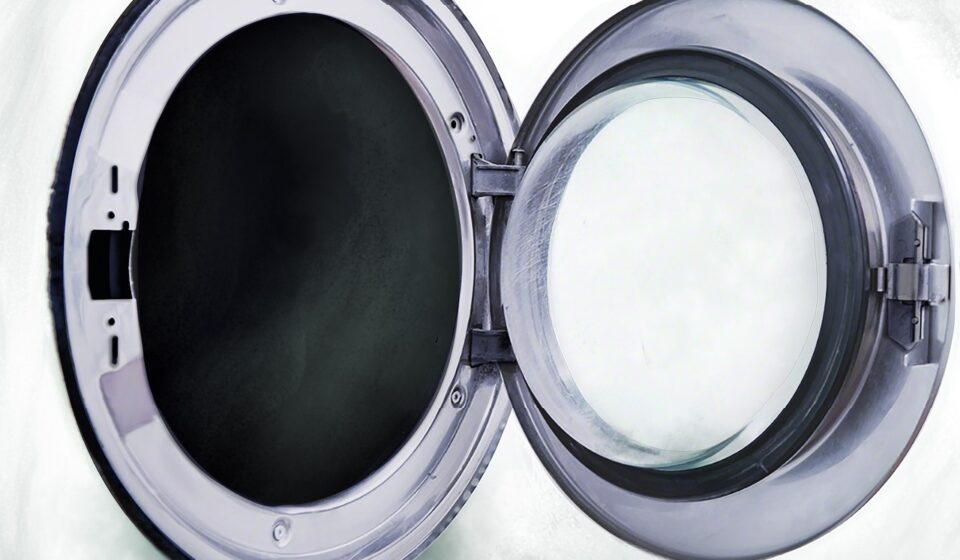
Front load washing machines rely on a tight door seal to prevent leaks. That seal can also trap moisture, lint, coins, hair clips, and detergent film. IFB and general washer-care guidance both point to ventilation after use as a basic habit. After each wash, remove clothes quickly, wipe the lower fold of the gasket, and leave the door ajar long enough for moisture to evaporate.
For top load machines, the same principle applies around the lid, detergent area, lint collection area, and drum rim. If the washer stays closed while damp, the interior can smell musty even when the drum looks clean.
How to run a drum or tub clean cycle
If your IFB model has a drum clean or tub clean cycle, use it according to the manual and do not add clothes. Some IFB guidance notes that certain tub clean programs do not need extra additives, while descaling should follow separate instructions. This distinction matters because a cleaning cycle and a descaling treatment do not always do the same job.
If your model does not have a dedicated cycle, use the maintenance cycle recommended in the manual. Avoid mixing cleaning chemicals. Never combine chlorine bleach with acidic descalers or vinegar, because unsafe fumes can result. If odor remains after a cleaning cycle, clean the dispenser, gasket, and filter before repeating the process.
Clean the drain filter, lint filter, and inlet mesh filter
Filters protect the machine from debris, lint, sediment, and small objects. The exact filter layout depends on the IFB model. Many front load models have a lower drain pump filter behind a small access door. Some top load models use lint filters that need regular removal and rinsing. Inlet hoses usually include a mesh filter that can collect sand or sediment from the water supply.
Drain pump filter care for many front load models
A blocked drain filter can cause slow drainage, wet clothes at the end of the cycle, error indications, or unusual pump noise. IFB manual guidance commonly advises draining water carefully before removing the filter and not opening the filter during a running program.
- Switch off the machine and disconnect power if your manual instructs you to do so.
- Place towels and a shallow container near the lower filter access panel.
- Open the small drain hose or filter slowly, depending on the model design.
- Let water drain into the container before fully removing the filter.
- Remove coins, pins, hooks, lint, threads, and other foreign objects.
- Rinse the filter, refit it securely, and check for leaks during the next cycle.
If the filter will not open, the machine is full of hot water, or the door is locked with water inside, stop and follow the model-specific manual. Forcing parts can damage the pump housing or cause flooding.
Water inlet mesh filter care
The inlet mesh filter protects the water valve from sediment. If water fills slowly, the machine displays a tap or water-supply warning, or the wash time becomes unusually long, check whether the inlet filter is blocked. The usual process is to turn off the tap, disconnect the inlet hose, drain remaining water, clean the mesh with a brush under running water, refit the hose, and check that the connection is watertight.
This task is especially important in areas with hard water, old plumbing, borewell supply, or visible sediment. If the filter clogs again quickly, the issue may be the household water supply rather than the washer.
Use the right load size, cycle, and detergent dose
Good maintenance is not limited to cleaning parts. Daily washing habits affect how much residue, vibration, and wear the machine experiences. Overloading prevents clothes from moving freely, reduces rinse quality, and can create an unbalanced spin. Underloading with one or two heavy items can also cause imbalance, especially with jeans, towels, bathrobes, or blankets. See also: solar products.
Follow the capacity guidance for your model and remember that rated capacity is not the same for every fabric type. A bulky comforter, for example, may fill the drum long before it reaches the machine’s maximum weight rating. Clothes should have enough room to tumble or circulate, depending on the washer design.
Detergent habits that prevent residue
- Measure detergent instead of guessing by eye.
- Use less detergent for lightly soiled clothes, small loads, or soft water.
- Use the detergent type recommended for your machine and cycle.
- Do not exceed the maximum mark in the dispenser.
- Use fabric softener sparingly because excess softener can leave a sticky film.
- If white streaks appear, reduce detergent, avoid overloading, and consider whether a cold wash is dissolving the product properly.
Cold water is suitable for many everyday loads and can reduce energy use, but heavily soiled items, oily stains, towels, bedding, or hygiene-sensitive laundry may need a warmer program if the fabric label and machine manual allow it. From a maintenance point of view, the best choice is the cycle that matches the soil level and fabric, rather than one default setting for every load.
Reduce vibration and protect the machine setup
Vibration is often blamed on the washer itself, but installation and loading habits are frequent causes. A washer should sit level on a stable floor with all feet firmly touching the surface. If it rocks when pushed diagonally, adjust the feet according to the installation instructions. A machine that moves during spin can stress hoses, increase noise, and make internal wear more likely over time.
Also check the area behind the washer. The inlet hose should not be sharply bent, the drain hose should not be crushed, and the plug should remain accessible. If the machine was recently moved, confirm that transit bolts have been removed for front load models where applicable. Running a washer with transit bolts installed can cause severe vibration and damage.
Balance mixed loads
When washing heavy items, mix similar-weight pieces instead of washing one heavy item alone. If the machine stops with an unbalanced load warning, pause the program when safe, redistribute the laundry, and restart. Repeated imbalance is not just inconvenient; it can prevent proper spinning and leave clothes wetter than expected.
Know the early warning signs
Routine care helps prevent avoidable problems, but some symptoms should not be ignored. IFB support pages for individual models list causes such as blocked filters, closed water taps, bent inlet hoses, drainage problems, unbalanced loads, and voltage issues. The wording and codes can vary by model, so the display message should always be checked against the correct manual.
- Slow filling: Check the water tap, inlet hose bend, water pressure, and inlet mesh filter.
- Water not draining: Check the drain hose position, blockage, and pump filter if accessible.
- Residue on clothes: Reduce detergent, avoid overloading, clean the dispenser, and choose a suitable temperature.
- Bad odor: Clean the drum, gasket, dispenser, and filter; leave the door open after use.
- Excessive vibration: Level the machine, balance the load, and check installation.
- Door will not open: Do not force it. Follow the manual’s waiting or drain procedure.
- Repeated error codes: Stop repeated trial runs and contact authorized service.
Call IFB Care or a qualified technician if there is a burning smell, repeated tripping, visible leakage from internal areas, damaged wiring, a locked door with water inside, or the same error returning after basic checks. Maintenance should not involve opening sealed electrical or mechanical assemblies.
Frequently asked questions
How often should I clean an IFB washing machine?
For average use, wipe the door or lid area after each wash, clean the dispenser and drum area monthly, and inspect filters every few months. Clean more often if you use hard water, wash pet bedding, run many loads, or notice odor, residue, or slow drainage.
Can I use vinegar to clean an IFB washing machine?
Use only what your model manual allows. Vinegar is often discussed as a household cleaner, but acidic products may not be suitable for every washer component or every maintenance cycle. If your manual recommends a specific tub clean or descaling method, follow that instead.
Why does my IFB washer smell even after a wash cycle?
Odor usually comes from trapped moisture, detergent residue, fabric softener film, lint, or debris in the gasket, dispenser, drum, or filter. Clean all of these areas rather than only running another wash cycle. Leaving the door open after use also helps the interior dry.
What should I do if clothes come out with white streaks?
White streaks are commonly linked to excess detergent, overloading, poor detergent dissolving, or insufficient rinsing. Measure detergent carefully, reduce the load size, clean the dispenser, and choose a warmer or longer program when the fabric label allows.
Is descaling the same as tub cleaning?
No. Tub cleaning is aimed at removing detergent film, odor, and general drum residue. Descaling targets mineral deposits from hard water. Some IFB guidance separates these tasks, so check your manual before adding any descaler to a tub clean cycle.
Bottom line
IFB washing machine maintenance is mainly about preventing buildup before it affects performance. Keep the machine dry between washes, clean the dispenser and filters, run the correct drum or tub care cycle, use measured detergent, and respond early to slow filling, drainage problems, vibration, or odor. These habits take only a few minutes, but they make wash results more consistent and help avoid many common service issues.