Types of charging cables for EVs explained by connector and use case
What the main types of charging cables really mean
In EV charging, the phrase types of charging cables usually covers three related questions: which connector fits the vehicle, which charging mode or level the cable is designed for, and whether the cable is portable, detachable or fixed to the charger. A cable is not simply a length of copper. It includes the plug or vehicle connector, insulation, current rating, communication pins, protective design and, in some cases, an in-cable control device.
Official references from IEC, SAE International, the U.S. Alternative Fuels Data Center, the European Alternative Fuels Observatory and China national standards show that connector choice is both regional and technical. A North American AC cable, a European Type 2 cable and a China-market GB/T cable can all be used for EV charging, but they are not interchangeable unless the vehicle inlet, charger and any approved adapter are designed for that combination. You can also explore more in charging equipment.
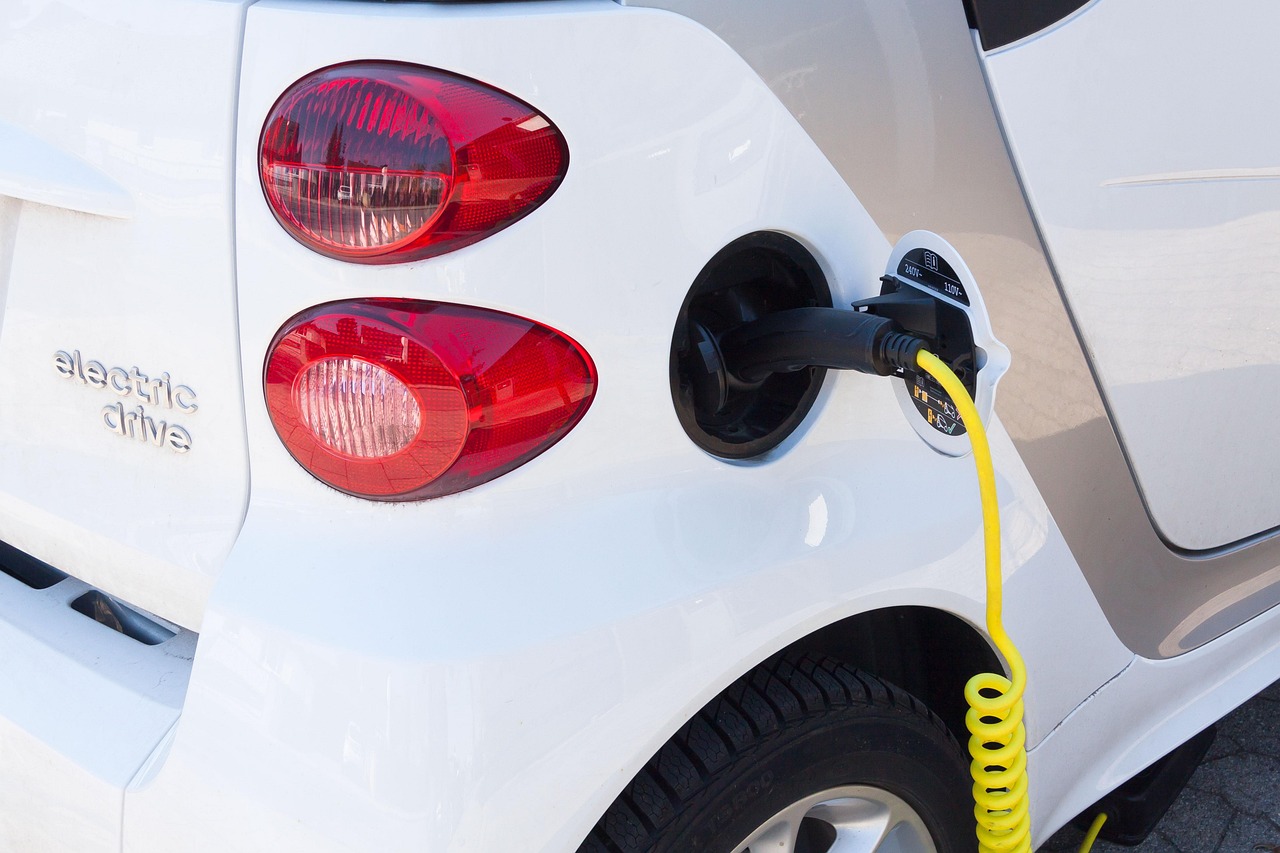
For readers comparing charging equipment, the practical starting point is the use case: portable AC charging, dedicated AC charging, DC fast charging and the regional connector standard.
Charging cable types by charging mode
A common source of confusion is that cable, charger, connector, mode and level are often used as if they mean the same thing. They do not. In AC charging, the external equipment supplies alternating current to the vehicle, and the vehicle onboard charger converts it to DC for the battery. In DC fast charging, the external station performs the AC-to-DC conversion and sends DC power to the battery through a dedicated fast-charging connector and cable.
Mode 2 portable charging cables
Mode 2 is the portable charging cable supplied with many vehicles or sold as a travel charging unit. It normally plugs into an approved household or industrial socket at one end and the vehicle at the other. Its key component is the in-cable control and protection device, often called an IC-CPD, which communicates with the vehicle and helps manage basic safety functions.
Mode 2 cables are useful for occasional, backup or low-power charging. They are not the preferred option for continuous high-use charging when a dedicated circuit and wall-mounted EV supply equipment are available. They should be used only according to the vehicle and equipment manufacturer instructions.
Mode 3 AC charging cables
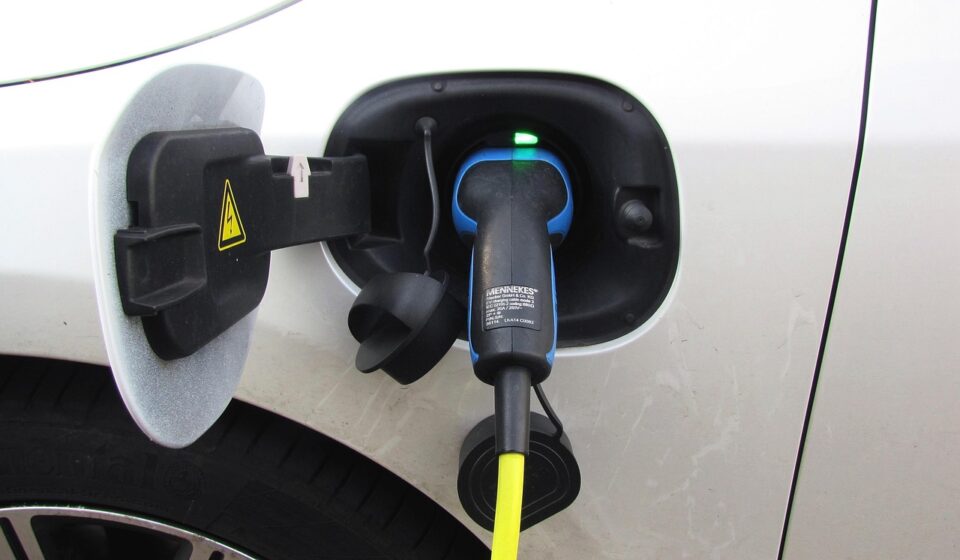
Mode 3 charging uses dedicated AC EV supply equipment, such as a wallbox, workplace charger or public AC post. The cable may be tethered to the charger or detachable. In Europe and many other Type 2 markets, detachable Mode 3 Type 2 cables are common because many public AC charging posts provide a socket rather than a permanently attached cable.
The cable must match both the vehicle inlet and the charger-side socket or plug. It also needs the correct current rating. For example, a Type 2 cable may be single-phase or three-phase, and the practical charging speed will be limited by the vehicle onboard charger, the cable rating and the EVSE output.
Mode 4 DC fast charging cables
Mode 4 is DC fast charging. These cables are normally tethered to the charging station because they are larger, higher-rated and integrated with the charger control system. CCS, CHAdeMO, J3400 and GB/T DC connectors are examples of DC fast-charging interfaces used in different markets or vehicle generations.
For most drivers, a DC cable is not something to buy separately. For charging-site operators and equipment buyers, however, cable design affects handling weight, cooling method, connector durability, serviceability and user experience.
Charging cable types by connector standard
Connector type is the most visible difference between charging cables. It determines whether the handle physically fits the vehicle inlet. It also indicates the region, charging current type and communication method the system is designed to use.
| Connector or cable type | Typical use | Common markets | Key point |
|---|---|---|---|
| SAE J1772 or Type 1 | AC Level 1 and Level 2 charging | North America and Japan | Widely used for AC charging on many non-Tesla vehicles; CCS1 adds DC pins below the AC section. |
| Type 2 | AC charging, including single-phase and three-phase applications | Europe and many global Type 2 markets | The main AC connector in Europe; often used with detachable public charging cables. |
| CCS1 | DC fast charging plus compatibility with J1772 AC inlets | North America and some related markets | Combines a J1772-style upper section with additional DC pins. |
| CCS2 | DC fast charging plus compatibility with Type 2 AC inlets | Europe and many international markets | The main DC fast-charging connector required for interoperability at many EU public DC charging points. |
| CHAdeMO | DC fast charging | Legacy Japanese and earlier global deployments | Still relevant for some existing vehicles, but new public fast-charging expansion increasingly favors CCS or regional alternatives. |
| SAE J3400 or NACS | AC and DC charging through a compact connector | North America | Based on Tesla’s connector and standardized by SAE as J3400, with market adoption expanding through vehicles, chargers and adapters. |
| GB/T | AC and DC charging using China standards | China and China-oriented export projects | Specified under the GB/T 20234 series for conductive EV charging connection sets. |
Tethered, untethered and adapter cables
After connector type, the next practical distinction is cable format. A tethered cable is permanently attached to the charger. It is convenient because the user can park, lift the handle and plug in without bringing a separate cable. Tethered designs are common for home wallboxes in North America and for DC fast chargers worldwide. The tradeoff is lower flexibility if vehicles using the site have different connector types.
An untethered charger has a socket, so the driver brings the correct cable. This format is common at European public AC posts because different vehicles can use the same post as long as the driver has the right cable. It also reduces exposed cable clutter at the site, but it places more responsibility on the driver to carry a correctly rated and undamaged cable.
Portable charging cables are useful for occasional charging from suitable outlets, but they should not be treated as a substitute for a properly installed charging circuit where regular daily charging is needed. Electrical Safety Foundation International guidance emphasizes following manufacturer instructions and avoiding extension cords or multi-plug adapters when charging EVs. That safety message is especially important because EV charging is a long-duration electrical load.
Adapter cables and adapter plugs can solve some compatibility problems, but only in specific directions and with approved ratings. An AC adapter does not turn an AC charger into a DC fast charger. A connector adapter also does not increase the vehicle onboard charger capacity, charger output or circuit limit. In practice, adapters should be selected conservatively and used only where the vehicle maker, charger operator and adapter manufacturer support that application.
How to choose the right charging cable
The right cable is the one that matches the vehicle, charger, electrical rating, environment and local rules. Start with the vehicle inlet. A vehicle with a Type 2 inlet needs a Type 2 AC cable for AC charging. A vehicle with a J1772 inlet needs a J1772-compatible AC handle. A vehicle with a CCS inlet can usually accept the related AC connector and the matching CCS DC connector, but this depends on the specific regional design. See also: solar products.
Next, confirm the charger side. A wallbox with a fixed cable removes that choice. A public AC socket requires a cable with the correct plug at the station end and the correct connector at the vehicle end. In Type 2 markets, the most common detachable public AC cable is Type 2 to Type 2. Older Type 1 vehicles may require Type 2 to Type 1 cables for AC charging.
Then check current and phase rating. A cable rated below the charger output can become a bottleneck or create a safety risk. A three-phase-rated Type 2 cable may be useful in markets where three-phase AC charging is common, but it will not make a single-phase vehicle charge as if it were three-phase. The lowest-rated element in the chain normally determines the practical result: grid connection, circuit breaker, EVSE, cable, onboard charger and vehicle battery management system.
Environmental conditions also matter. Outdoor cables need robust insulation, strain relief and suitable ingress protection for the connector design. Commercial sites should consider repeated bending, cable drop impact, connector wear, user ergonomics and cable management. Cold climates may favor more flexible jacket materials, while high-power DC charging may require liquid-cooled cable assemblies to reduce handling weight at very high current levels.
Market trends changing cable decisions
A major current shift in North America is the move toward SAE J3400, commonly associated with the North American Charging Standard. SAE issued the J3400 document in December 2023, and later revisions have helped turn the Tesla-developed connector into an open industry standard. For equipment planners, the practical point is not that every cable immediately changes. It is that mixed connector environments are likely during the transition, with CCS1, J1772, J3400 and adapters all appearing in fleets, homes and public sites.
In Europe, the direction is more settled for public interoperability. EU alternative fuels infrastructure rules point to Type 2 for AC recharging points and CCS Combo 2 for DC recharging points. That makes Type 2 AC cables and CCS2 fast-charging connectors central to European charging equipment planning.
China follows its own GB/T framework. The GB/T 20234 series covers connection sets for conductive EV charging, including general requirements, AC charging couplers, DC charging couplers and high-power DC charging couplers. For exporters, importers and fleet projects, China-market vehicles and chargers should be checked against GB/T requirements rather than assumed to match IEC Type 2, CCS or J3400 hardware.
CHAdeMO remains part of the installed base, especially for some older Japanese vehicles and earlier fast-charging networks. However, many new public fast-charging deployments outside Japan prioritize CCS, J3400 or regional standards. Site operators serving legacy fleets may still need CHAdeMO, but buyers should evaluate vehicle mix before adding it to new installations.
Common mistakes to avoid
- Buying by plug shape only. A connector that looks correct still needs the right current rating, phase configuration and certification for the intended use.
- Confusing AC and DC charging. AC cables and DC fast-charging cables serve different electrical architectures. An adapter cannot change that basic distinction.
- Assuming the cable sets the charging speed. The cable can limit charging if underrated, but it cannot exceed the vehicle onboard charger, EVSE output or battery charge acceptance.
- Using extension cords for convenience. EV charging creates a long-duration load, so manufacturer instructions and safety organization guidance should be followed closely.
- Ignoring regional standards. J1772, Type 2, CCS1, CCS2, J3400, CHAdeMO and GB/T serve different markets and vehicle populations.
- Overlooking handling and maintenance. For commercial charging equipment, a heavy or poorly managed cable can reduce user satisfaction and increase wear.
Frequently asked questions
Are EV charging cables universal?
No. EV charging cables are not universal. They vary by connector, charging current type, region, communication method and electrical rating. Some adapters can bridge specific compatibility gaps, but they should be used only when approved for that vehicle and charger combination.
What is the difference between Type 1 and Type 2 charging cables?
Type 1, also called SAE J1772, is mainly used for AC charging in North America and Japan. Type 2 is the main AC charging connector in Europe and supports single-phase and three-phase applications depending on the vehicle, cable and charger. The two are physically different and are not directly interchangeable.
Can one cable support both slow and fast charging?
It depends on the connector system. Some vehicle inlets, such as CCS and J3400 designs, support both AC and DC charging through related connector arrangements. However, a detachable AC cable used at a public AC post is not the same as a tethered DC fast-charging cable.
Do higher-rated cables always charge faster?
No. A higher-rated cable may prevent the cable from being the limiting factor, but charging speed still depends on the charger output, electrical supply, vehicle onboard charger for AC charging and battery management limits. The system charges only as fast as the lowest practical limit allows.
Which charging cable type should equipment buyers prioritize?
Prioritize the connector standard used by the target vehicles and region. For North American AC charging, that may involve J1772 and increasingly J3400. For Europe, Type 2 AC and CCS2 DC are central. For China-related projects, GB/T compatibility should be verified. Fleet composition and site purpose should guide the final specification.