Best solar panel brands for home solar in 2026
Quick answer for 2026
The best solar panel brand for a home in 2026 depends on the roof, budget, local installer network and the exact panel model being quoted. Based on current residential buying guides, manufacturer warranty information and Kiwa PVEL’s 2026 reliability scorecard, a practical shortlist includes REC, Qcells, Canadian Solar, Maxeon, Hyundai, SEG Solar, Jinko Solar, LONGi and Trina Solar.
REC is a strong all-around option. Qcells is attractive in the U.S. market because of availability and installer familiarity. Canadian Solar often competes well on value, while Maxeon remains compelling for buyers who prioritize premium warranties and high efficiency. The final choice should still be checked against the model number, installed price, local service support and written warranty terms. You can also explore more in buying guides.
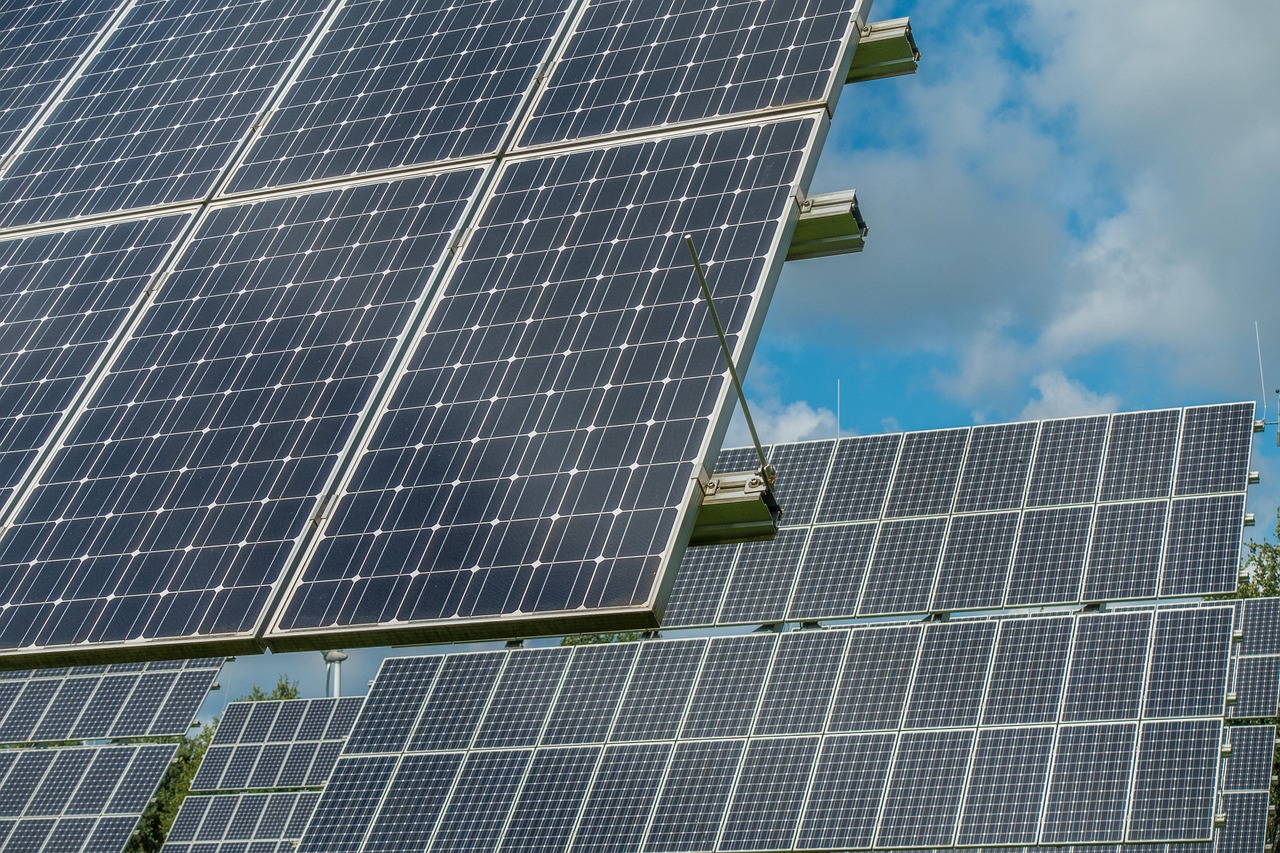
This guide is written for homeowners comparing residential solar quotes, not for utility-scale procurement. If you are still early in the selection process, browse more renewable energy explainers in our buying guides.
How this guide defines a strong solar panel brand
A good solar panel brand is not simply the one with the highest advertised efficiency. A residential solar array is expected to sit outdoors for decades, so the buying decision should combine product performance, reliability evidence, warranty coverage, installer support and total installed cost.
EnergySage’s July 1, 2026 residential panel ranking evaluated top quoted models by performance, warranty, durability, value and popularity. Kiwa PVEL’s 2026 PV Module Reliability Scorecard adds another useful lens because it is based on independent product qualification testing across stress categories such as thermal cycling, damp heat, mechanical stress, hail stress, potential-induced degradation and light-induced or elevated-temperature degradation.
For homeowners, those signals lead to five practical questions:
- Efficiency and power density: Can the panel produce enough power from the available roof space?
- Heat performance: Does the panel have a favorable temperature coefficient for hot climates?
- Warranty quality: What are the product warranty, performance warranty and warranted output after 25 years?
- Reliability evidence: Has the brand or model appeared in independent reliability testing, not only in sales brochures?
- Local support: Are qualified installers in your area experienced with the brand, inverter pairing and warranty process?
Best solar panel brands to compare
The table below summarizes a practical 2026 shortlist. It is not a universal ranking. The best panel for a small, partly shaded suburban roof may not be the best panel for a large, unshaded roof where cost per watt matters more than maximum efficiency.
| Brand | Best fit | Why it stands out | What to check before buying |
|---|---|---|---|
| REC | Balanced premium performance | EnergySage named REC Alpha Pure-RX 460 W its best overall panel in its 2026 ranking, citing strong efficiency, temperature performance and 25-year product and performance warranties. | Confirm the exact Alpha Pure model, installer certification and whether labor is covered in the quote. |
| Qcells | Mainstream U.S. residential installs | Qcells panels are widely quoted, and the company has expanded U.S. manufacturing in Georgia, including Dalton and Cartersville facilities. | Ask whether the quoted module is U.S.-made, which inverter is paired with it and what workmanship warranty applies. |
| Canadian Solar | Value and availability | Canadian Solar often competes well on price-to-spec balance, and its TOPHiKu6 model appeared prominently in 2026 residential comparisons. | Verify the dealer network and warranty claim process for your state. |
| Maxeon | Premium warranty seekers and space-limited roofs | Selected Maxeon IBC panel lines are known for high efficiency and long warranty terms, with some Maxeon-branded lines carrying 40-year coverage. | Warranty coverage varies by series and legacy SunPower history, so confirm the document for the exact model. |
| Hyundai | High efficiency at competitive pricing | EnergySage highlighted Hyundai’s NF(BK) 440 W panel for affordability while still listing 22.5% efficiency. | Compare long-term support and availability in your region. |
| SEG Solar | Efficiency-focused buyers | SEG’s YUKON N model was listed among EnergySage’s high-efficiency 2026 picks, and SEG appeared in Kiwa PVEL’s 2026 Top Performer group. | Because the brand has a shorter U.S. residential review history than REC or Qcells, installer experience matters. |
| Jinko Solar, LONGi and Trina Solar | Cost-conscious buyers offered bankable global brands | These large manufacturers have broad global scale, and all appeared in Kiwa PVEL’s 2026 Top Performer listings. | Residential warranty support, local dealer strength and the exact factory/model should be reviewed carefully. |
Brand notes for homeowners
REC
REC is a strong default recommendation when a homeowner wants premium specifications without automatically accepting the highest-priced quote. The REC Alpha Pure-RX line is frequently discussed for high efficiency, good heat behavior and a 25-year warranty structure. REC’s own product information for the Alpha Pure-RX series states that the panel is warranted to retain at least 92% of nameplate power in year 25. That makes it a useful benchmark when comparing other premium panels.
Qcells
Qcells is often a practical choice because many U.S. installers know the product line, replacement availability is generally stronger than with niche brands, and the company has invested heavily in Georgia manufacturing. In June 2026, Qcells announced solar cell production at its Cartersville, Georgia factory, a milestone toward a more vertically integrated U.S. supply chain. For homeowners, the main advantage is not patriotic branding by itself; it is the potential for stronger domestic supply continuity and installer familiarity.
Canadian Solar
Canadian Solar is worth comparing when a quote needs to balance specifications and price. EnergySage’s 2026 ranking listed the Canadian Solar TOPHiKu6 445 W panel with 22.3% efficiency and a 30-year performance warranty. Canadian Solar also appeared among Kiwa PVEL’s 2026 Top Performers in multiple test categories. The caution is the same as with any global manufacturer: the brand name alone does not tell you the exact bill of materials, factory, warranty administrator or local service path.
Maxeon
Maxeon is usually treated as a premium option. It can make sense where roof area is limited, aesthetics matter or the buyer values long warranty terms. However, Maxeon warranties differ by product family. Some Maxeon IBC lines advertise 40-year coverage, while certain Performance series products have different terms. If a salesperson says “40-year warranty,” ask to see the warranty document for the exact panel model in the proposal.
Hyundai and SEG Solar
Hyundai and SEG Solar are more situational picks. Hyundai’s NF(BK) 440 W panel was highlighted by EnergySage as an affordable high-efficiency option in 2026. SEG’s YUKON N panel was highlighted for efficiency and warranty coverage, and SEG appeared in Kiwa PVEL’s 2026 Top Performer listings. These brands can be attractive when quoted by a reputable installer, but homeowners should put extra weight on local service experience, replacement logistics and written warranty handling.
Why reliability testing should influence the shortlist
Online panel rankings are useful, but independent stress testing matters because solar modules must withstand heat, moisture, snow load, wind, hail, ultraviolet exposure and electrical stress over many years. Kiwa PVEL’s 2026 scorecard named 43 manufacturers as Top Performers and reported that 15 manufacturers had at least one model type listed as a Top Performer in at least seven of eight tests. The same scorecard also warned that no single bill of materials was listed as a Top Performer in all eight tests and that the Product Qualification Program failure rate reached a record high.
The takeaway is not that buyers should avoid solar panels. It is that model-level details matter. Two panels from the same brand can use different cells, glass, encapsulants, backsheets and factories. A quote should list the exact module model number, not just the brand. If the proposal says “or equivalent,” ask what “equivalent” means and whether any substitution requires written approval.
How to match a brand to your roof and budget
If your roof is small, complicated or partly shaded, high-efficiency panels from REC, Maxeon, SEG or similar premium lines may justify the added cost because they can increase output from limited roof area. If your roof has plenty of unshaded space, a value-oriented Qcells, Canadian Solar, Hyundai, Jinko, LONGi or Trina proposal may deliver a better payback if the installed price is significantly lower. See also: solar products.
In hot climates, compare the temperature coefficient. Solar panels are rated under standard test conditions, but real rooftops often run much hotter than laboratory conditions. A lower temperature coefficient means the panel loses less output as cell temperature rises. In snowy, windy or hail-prone regions, ask for mechanical load ratings and whether the model has passed relevant independent stress tests.
Also remember that panels are only one part of the system. Inverters, roof attachments, wiring, monitoring, permitting and workmanship can have a larger effect on real-world satisfaction than a one-percentage-point difference in module efficiency. A strong panel installed poorly is still a poor investment.
Buying checklist before signing a quote
The Federal Trade Commission advises homeowners to compare detailed bids, review warranties and understand contract terms before signing a solar agreement. Use this checklist when comparing brands and installers:
- Get at least two or three written quotes with system size, panel model, inverter model and expected annual production.
- Compare installed cost in dollars per watt, not only the panel brand or monthly payment.
- Ask for the product warranty, performance warranty, inverter warranty and workmanship warranty in writing.
- Confirm who pays for labor, shipping and roof access if a panel replacement is needed.
- Ask whether the production estimate includes shade analysis, roof orientation and local weather assumptions.
- Check whether the installer is licensed, insured and experienced with the proposed panel and inverter combination.
- Review what happens if roof repair is needed after installation.
- Do not accept pressure to sign immediately or rely on verbal promises about savings, rebates or future utility rates.
Common mistakes to avoid
The first mistake is buying only the highest-efficiency panel. Efficiency matters most when roof space is limited. If you have ample roof area, a slightly lower-efficiency panel at a much better installed price can be the smarter choice.
The second mistake is treating “Tier 1” as a complete quality rating. Tier 1 is commonly used as a bankability signal, but it does not prove that a specific residential module is the best choice for your home. Warranty terms, installer support and model-level testing still matter.
The third mistake is ignoring the installer. A homeowner rarely buys panels directly from the manufacturer. The installer designs the system, handles permitting, mounts the equipment and is usually the first contact if something fails. When two quotes use reputable panel brands, the better installer may be the safer choice.
The fourth mistake is not checking the exact model. A brand may sell premium, midrange and budget panels at the same time. Always compare the model number, wattage, efficiency, degradation guarantee, product warranty and whether substitutions are allowed.
Frequently asked questions
What is the best solar panel brand overall in 2026?
For many homeowners, REC is one of the strongest all-around choices because it balances efficiency, heat performance, warranty coverage and market familiarity. However, Qcells, Canadian Solar, Maxeon, Hyundai and SEG can be better choices depending on price, roof size and installer support.
Are Maxeon panels worth the higher price?
Maxeon can be worth considering if roof space is limited, you want premium efficiency or you value longer warranty terms. It may not be the best financial choice if a lower-priced panel can meet your production target on a larger roof. Confirm the exact Maxeon series because warranty terms vary.
Do solar panel brands matter more than installers?
Both matter, but the installer often has more influence on system performance and homeowner experience. A reputable panel installed by a weak contractor can create roof, wiring, permitting or service problems. A strong quote should combine a proven panel brand with a qualified local installer.
What warranty should I look for?
Most quality residential panels now offer long performance warranties, and many offer 25-year product warranties. Look for both product and performance coverage, the warranted output at year 25, and whether labor, shipping and removal costs are included or excluded.
Should I choose a U.S.-made solar panel?
U.S.-made panels can be attractive for buyers who care about domestic supply chains or project eligibility rules, but country of assembly should not be the only deciding factor. Ask for the exact model, factory origin, warranty terms, installed price and installer experience before making a decision.