Solar tubes explained for daylighting and solar thermal projects
What solar tubes can mean
In building and renewable-energy purchasing, solar tubes usually refer to one of two very different products. In one context, they are tubular daylighting devices that bring roof-level sunlight into interior rooms through a reflective tube. In another, they are evacuated glass tubes used in solar thermal collectors for water heating, space heating support, or low-temperature process heat. The right choice starts with a simple question: does the project need natural light or usable heat?
That distinction changes the whole specification process. Daylighting tubes are assessed as part of the building envelope and lighting design, where visible light transmission, glare control, roof sealing, U-factor, and solar heat gain are important. Evacuated solar thermal tubes are energy collection components, so absorber quality, vacuum integrity, heat loss, stagnation temperature, and compatibility with tanks, pumps, and controls become the main issues. For broader product context, see our solar products section.
Search results and supplier listings often mix these meanings, so this guide covers both. It is intended for readers comparing product categories, planning early-stage projects, or deciding whether solar tubes belong beside photovoltaic panels, skylights, heat pumps, or solar water heaters in a specification.
How tubular daylighting devices work
A tubular daylighting device, also called a tubular skylight, sun tunnel, light tube, or daylight tube, is a passive daylighting system. A roof-mounted dome or collector receives daylight, a highly reflective tube redirects it through the attic or roof cavity, and a ceiling diffuser spreads the light into the room below. ENERGY STAR program documents define tubular daylighting devices as non-operable products designed to transmit daylight from a roof surface to an interior ceiling surface through a tubular conduit.
The principle is straightforward, but performance depends on design details. A short, straight, rigid reflective tube normally transmits more light than a long or sharply bent flexible tube. A roof location with unobstructed sky exposure gives better output than a shaded roof plane. Diffuser design also matters because it affects whether the room receives soft, usable light or bright spots that create glare.
In homes, these systems are often used in hallways, bathrooms, closets, laundry rooms, stairwells, and interior rooms where vertical windows are not practical. In commercial buildings, they can support daylighting strategies in corridors, retail areas, schools, warehouses, and low-rise offices. The U.S. Department of Energy notes that well-designed daylighting can reduce lighting energy, peak electrical demand, cooling energy, and maintenance costs, while also warning that daylighting must balance useful light against glare and excessive solar heat gain.
How evacuated solar thermal tubes work
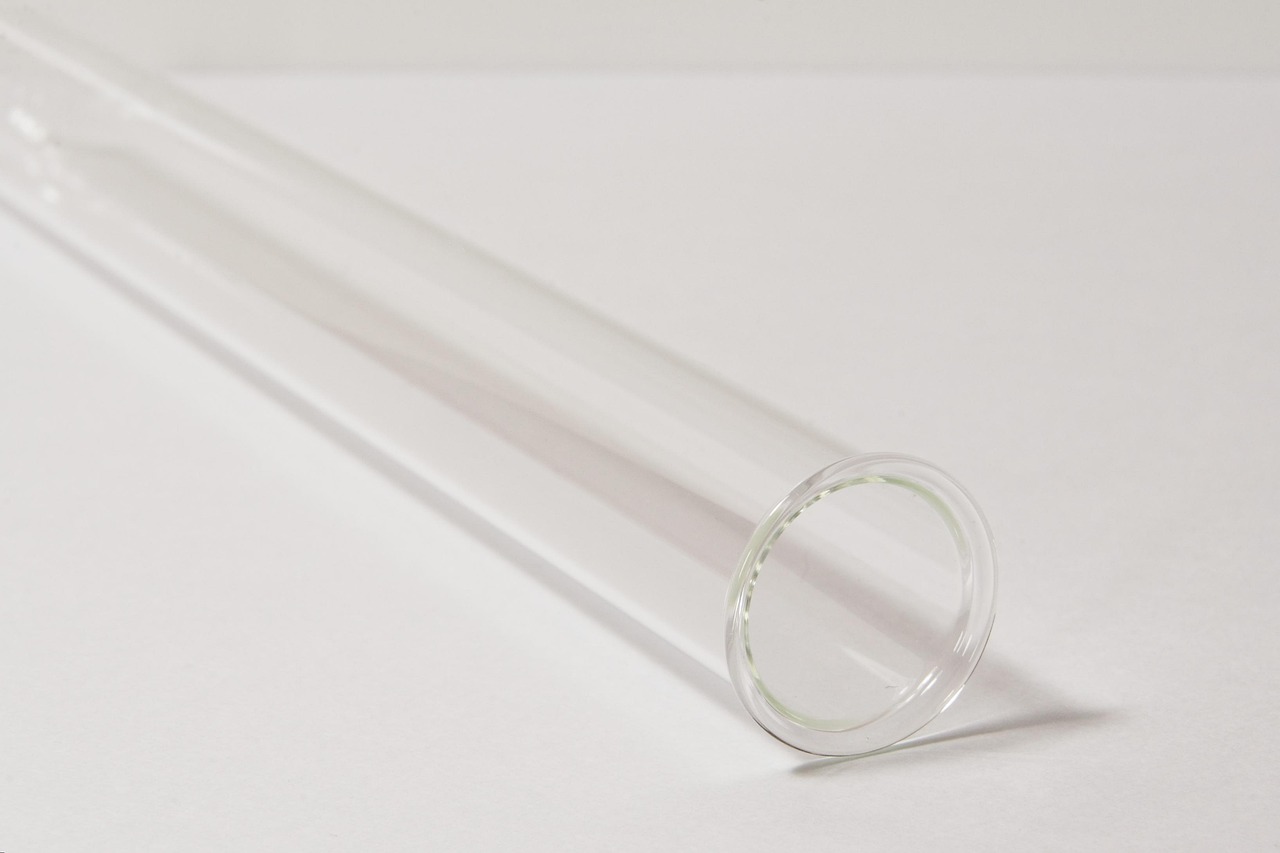
Evacuated solar thermal tubes are not daylight tubes. They are normally part of a solar collector that captures sunlight as heat. Each glass tube has a vacuum layer that reduces convective and conductive heat loss. Inside the tube, an absorber coating captures solar radiation and transfers heat either directly to fluid or indirectly through a heat pipe. The heated fluid then moves energy to a storage tank, heat exchanger, or process load.
Evacuated tube collectors are widely associated with domestic hot water systems because they can maintain useful thermal performance when outdoor air is cool. They are also used in some solar combisystems that support space heating, although the economics and system design become more complex. In commercial or institutional projects, evacuated tubes may serve kitchens, dormitories, clinics, hotels, laundries, or low-temperature industrial processes where daily hot water demand is consistent.
The IEA Solar Heating and Cooling Programme tracks solar thermal technologies globally. Its Solar Heat Worldwide 2025 report states that evacuated tube collectors represented 61% of newly installed solar thermal capacity in 2023, while flat plate collectors represented 32%. That share reflects the strength of evacuated tube systems in major markets, especially where solar water heating has been deployed at scale.
Evacuated tubes are not a plug-in substitute for photovoltaic modules. PV panels make electricity; evacuated tubes make heat. A project that needs electricity for appliances, batteries, or grid export will normally focus on PV. A project with steady hot water or heat demand may consider solar thermal, especially where roof area is limited and direct heat delivery can be valuable.
Solar tubes compared with skylights, PV panels, and flat plate collectors
Because the term solar tubes crosses product categories, comparisons need to be made against the right alternatives. A daylighting tube competes mainly with skylights, roof windows, electric lighting, and sometimes LED-plus-control upgrades. An evacuated tube collector competes with flat plate solar thermal collectors, heat pump water heaters, PV-powered resistance water heating, gas water heating, and hybrid systems.
| Product type | Main output | Typical use | Key evaluation points |
|---|---|---|---|
| Tubular daylighting device | Natural light | Interior rooms, corridors, small commercial spaces | Visible light, glare control, roof sealing, U-factor, SHGC, tube length |
| Traditional skylight | Natural light and sky view | Living spaces, atriums, roof rooms | Heat gain, heat loss, condensation risk, shading, orientation |
| Evacuated tube collector | Heat | Domestic hot water, space heating support, process heat | Collector efficiency, vacuum durability, freeze protection, storage and controls |
| Flat plate collector | Heat | Water heating and larger solar thermal fields | Installed cost, operating temperature, roof area, climate suitability |
| Solar PV panel | Electricity | On-site power, grid export, battery charging | Module output, inverter design, shading, electrical code compliance |
A tubular daylighting device is usually less visually dramatic than a skylight, but it often fits spaces where a large roof opening is not desirable. Depending on product design and installation quality, it may also reduce heat transfer compared with a larger skylight area. It does not, however, provide a view, emergency egress, or ventilation unless separate systems are included.
An evacuated tube solar thermal system can deliver heat efficiently when demand matches production. Its value falls when hot water demand is low, storage is undersized, maintenance is neglected, or backup heating is poorly integrated. For many projects, the better comparison is not collector efficiency alone but total delivered heat over the year after pumps, controls, storage losses, freeze protection, and maintenance are considered.
Performance metrics buyers should understand
For daylighting tubes, the first practical question is not just how bright the product looks at noon. Designers should ask how much useful light reaches the work plane during typical occupied hours. DOE daylighting guidance describes good daylighting as controlled, quality lighting and notes that one useful target is at least 300 lux for at least 50% of operating hours. This is a design target rather than a universal product guarantee, because room geometry, surface reflectance, climate, roof orientation, and controls all affect results.
U-factor and solar heat gain coefficient are also important for roof-mounted daylighting products. U-factor describes heat transfer; lower values generally mean less heat loss. Solar heat gain coefficient, or SHGC, describes the fraction of incident solar radiation that enters as heat. Lower values are often preferred in hot climates, while cold climates may tolerate or benefit from higher solar gain in specific orientations. ENERGY STAR residential window, door, and skylight criteria use U-factor and SHGC by climate zone, and the Version 7.0 specification became effective on October 23, 2023.
For evacuated tube collectors, useful metrics include aperture or gross area, thermal efficiency curve, operating temperature range, incidence angle behavior, pressure rating, hail resistance claims that can be verified by test documentation, and stagnation temperature. The system should also be assessed for pump energy, insulation quality, controller settings, heat exchanger sizing, storage volume, and local freeze or overheating risk. See also: efficiency guides.
In both categories, installation quality can override product claims. Roof penetrations must be flashed correctly. Tubes and collectors must be secured for local wind and snow loads. Condensation control matters in humid climates and cold roof assemblies. Where codes require listed or certified products, documentation should be reviewed before purchase rather than after equipment arrives on site.
Where solar tubes make the most sense
Tubular daylighting devices make the most sense where the room is used during daylight hours and lacks practical window access. A hallway that needs electric lights all day may be a better candidate than a bedroom used mostly at night. A warehouse pick-pack zone, school corridor, or retail back room may benefit when daylight is paired with dimming controls so electric lights actually reduce output when daylight is available.
The strongest daylighting projects consider the whole room, not only the roof opening. Light-colored ceilings and walls improve distribution. Diffusers should be located where they illuminate tasks rather than empty floor areas. In commercial spaces, daylight-responsive controls are important because energy savings are limited if electric lights remain at full power. The DOE’s 2020 U.S. Lighting Market Characterization estimated that residential and commercial lighting used 244 TWh of electricity in 2020, equal to about 9% of delivered electricity consumed in those building sectors, so lighting remains a meaningful target even after rapid LED adoption.
Evacuated tube collectors make the most sense when there is steady demand for hot water or low-temperature heat. Examples include multifamily housing, hotels, food service, sports facilities, laundries, agricultural washing, and some industrial preheating applications. They can be attractive when fuel prices are high, roof or land area is available, and maintenance responsibility is clear.
They are less attractive when hot water demand is seasonal and mismatched with solar output, when the roof is heavily shaded, or when the building owner expects a maintenance-free system. Solar thermal systems need expansion vessels, sensors, pumps or thermosiphon design, valves, fluid checks, and freeze or overheat protection depending on climate and configuration.
Market signals and practical limitations
The market signals for the two meanings of solar tubes are different. Tubular daylighting devices are influenced by building efficiency codes, daylighting design practice, roof renovation cycles, and the continuing shift to LEDs and lighting controls. As LEDs reduce lighting loads, daylighting projects increasingly need to justify themselves through comfort, visual quality, resilience, and specific operating-hour savings rather than broad claims about replacing inefficient lamps.
Evacuated thermal tubes sit within the wider solar heat market. The IEA SHC Solar Heat Worldwide 2025 report shows that solar thermal remains a significant global heat technology, but it also shows a changing market in which flat plate systems, PVT collectors, large-scale district heating, industrial process heat, and PV-generated heat all compete for attention. In 2024, the report recorded at least 106 new solar heat for industrial processes plants worldwide, with 120 MWth of added capacity. That growth suggests continuing interest in direct renewable heat, although project economics remain highly site-specific.
Buyers should treat simple payback claims with caution. A daylight tube’s savings depend on electric lighting schedules, controls, local electricity prices, and whether the added roof penetration affects heating or cooling loads. An evacuated tube system’s economics depend on solar resource, hot water draw profile, backup fuel, incentives, maintenance, and the installed cost of tanks and controls. In both cases, credible estimates should use local weather data and actual building use rather than generic marketing output.
Selection checklist for a practical specification
- Clarify the goal: Choose daylight tubes for natural light and evacuated tubes for heat. Do not compare them as if they deliver the same output.
- Check the site: Review roof orientation, shading, available area, structure, waterproofing condition, and access for maintenance.
- Ask for test data: For daylighting products, request U-factor, SHGC, visible transmittance, and applicable certifications. For evacuated tubes, request collector performance documentation and pressure, wind, hail, and durability information where relevant.
- Design the system, not just the product: Daylighting needs diffuser placement and lighting controls. Solar thermal needs storage, pumps or thermosiphon layout, controls, heat exchange, and backup heat integration.
- Plan for climate: Hot climates may prioritize low solar heat gain in daylighting products. Freezing climates need solar thermal freeze protection and careful piping design.
- Compare alternatives: Include LED controls, skylights, PV, heat pump water heaters, flat plate collectors, and hybrid designs in early feasibility work.
- Verify local code requirements: Roof penetrations, plumbing, electrical controls, structural loading, fire setbacks, and product certification requirements vary by jurisdiction.
Frequently asked questions
Are solar tubes the same as solar panels?
No. Solar panels usually means photovoltaic modules that generate electricity. Solar tubes may mean daylighting tubes that bring sunlight indoors or evacuated tubes that collect heat for water or process heating. The technologies use sunlight in different ways and should be specified for different goals.
Do tubular daylighting devices work on cloudy days?
Yes, but output is lower than under clear sun. A well-designed tube can still transmit diffuse daylight, but the room may need electric lighting during dark weather, early morning, evening, or high-demand visual tasks. Lighting controls help balance daylight and electric light.
Are evacuated tube collectors better than flat plate collectors?
Not always. Evacuated tubes can perform well at higher temperature differences because the vacuum reduces heat loss, but flat plate collectors may be simpler, cost-effective, and widely used in large fields or moderate-temperature applications. Climate, operating temperature, installed cost, and maintenance access determine which is better for a specific project.
Can solar tubes reduce energy bills?
They can, but savings are not automatic. Daylighting tubes reduce electricity only when lights are dimmed or turned off. Evacuated tubes reduce fuel or electricity for water heating only when the system is correctly sized, regularly maintained, and matched to real hot water demand.
What is the main risk when choosing solar tubes?
The main risk is choosing from the wrong category or relying on generic claims. A buyer should first define whether the project needs light or heat, then request verifiable performance data and design the surrounding system so the product can deliver measurable value.