Flywheel energy storage explained for grids, renewables and high-power loads
What flywheel energy storage does best
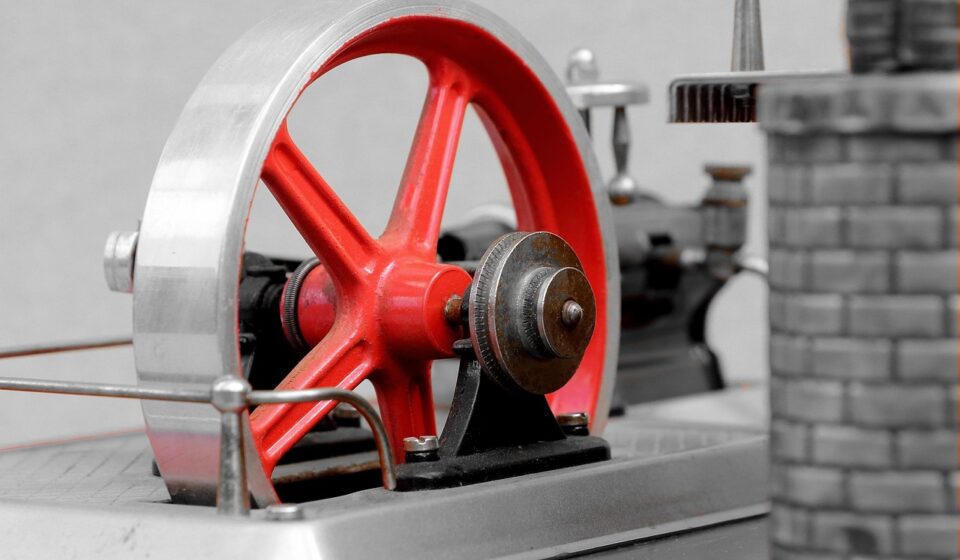
Flywheel energy storage converts electricity into the kinetic energy of a rotating mass, then converts that motion back into electricity when power is needed. Its strongest role is not to replace large battery plants used for four-hour or multi-day energy shifting. Flywheels are more relevant where power must move in and out quickly, repeatedly and with predictable performance: frequency regulation, voltage support, renewable output smoothing, uninterruptible power supply bridging, regenerative braking recovery and high-power industrial buffering.
That makes the technology an important part of the wider energy storage discussion. Public sources including the U.S. Energy Information Administration, the U.S. Government Accountability Office and Pacific Northwest National Laboratory consistently place flywheels among short-duration or high-power storage technologies. The practical question is not whether flywheels are better than batteries in every use case. It is where their cycle life, response speed and mechanical durability create value that electrochemical batteries may not deliver as efficiently.
How a flywheel energy storage system works
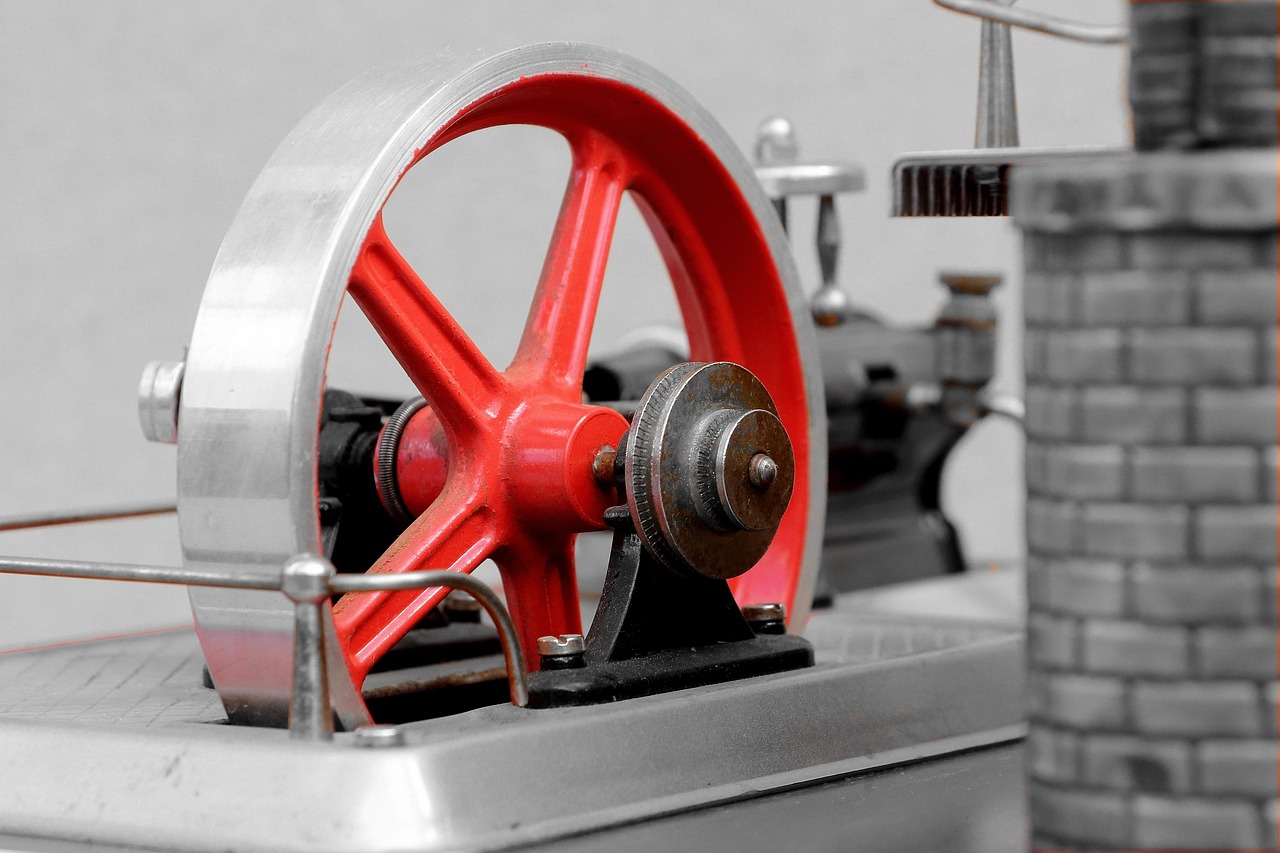
A flywheel system stores energy in a rotor. During charging, power electronics feed an electric motor, which accelerates the rotor. During discharge, the same machine or a paired generator slows the rotor and sends electricity back to the load or grid. The basic energy relationship is mechanical: stored energy rises with the rotor moment of inertia and with the square of rotational speed. In plain terms, a heavier rotor, a faster rotor or an optimized geometry can store more energy, provided the design can safely handle the resulting stress.
Modern flywheel systems usually include several core subsystems:
- Rotor or flywheel: The rotating mass that stores kinetic energy. Designs may use steel, composite materials or hybrid structures depending on cost, speed, weight and containment requirements.
- Motor-generator: The electromechanical interface that accelerates the rotor during charging and produces electricity during discharge.
- Bearings: Mechanical, magnetic or hybrid bearing systems support rotation. Magnetic bearings are often used in discussions of high-speed systems because they can reduce friction and maintenance needs.
- Vacuum or low-pressure enclosure: Many high-speed flywheels operate in a sealed environment to reduce air drag and standby losses.
- Power conversion and controls: Inverters, converters and control software translate grid or site signals into rapid charge and discharge commands.
- Containment and safety systems: The enclosure, sensors and shutdown logic are critical because stored mechanical energy must remain controlled under normal and fault conditions.
The result is a storage device that behaves differently from a battery. A battery stores energy chemically. A flywheel stores it mechanically. That distinction affects response, degradation, safety analysis, installation design and economics.
Flywheels versus batteries in practical applications
Flywheel energy storage and battery energy storage are often compared, but the useful comparison is application based. Lithium-ion batteries have become the mainstream choice for many grid-scale storage projects because they can provide significant energy capacity for peak shifting, solar-plus-storage and arbitrage. Flywheels remain more specialized, but that specialization can be valuable where a storage asset is cycled deeply and frequently.
| Criterion | Flywheel energy storage | Battery energy storage |
|---|---|---|
| Best-fit duration | Seconds to minutes in many commercial grid and industrial designs, with some longer-duration demonstrations | Commonly one to four hours for grid projects, with longer-duration chemistries and flow batteries targeting extended use |
| Power response | Very fast response and high ramping capability | Fast response, also well suited to many grid services |
| Cycle behavior | Designed for frequent deep cycling with limited capacity fade from cycling | Cycle life depends on chemistry, temperature, depth of discharge and operating strategy |
| State of charge | Can be inferred directly from rotor speed | Estimated through battery management models and measurements |
| Main constraints | Stored energy per unit cost, standby losses, containment and mechanical safety design | Cell aging, thermal management, fire safety analysis, materials supply and recycling pathways |
| Typical role | Frequency regulation, power quality, UPS bridging, regenerative energy capture and high-power buffering | Energy shifting, capacity support, renewable firming, ancillary services and backup power |
The distinction matters in procurement. If a project needs many megawatt-hours of energy delivered across an evening peak, a flywheel is usually not the first technology to evaluate. If a site needs thousands of high-power pulses per year, the flywheel becomes more interesting because the operating profile aligns with the hardware.
Where flywheels fit in modern grids
Frequency regulation and grid balancing
Frequency regulation is one of the clearest flywheel use cases. Grid operators must constantly balance supply and demand. A storage device that can absorb or inject power rapidly can help reduce short-term deviations. The U.S. Government Accountability Office, in its March 30, 2023 utility-scale storage assessment, grouped flywheels with lithium-ion batteries for shorter-duration applications that help keep the grid stable. The U.S. Energy Information Administration has also described flywheels and supercapacitors as technologies that can respond on sub-hourly timescales, from minutes down to fractions of a second.
Beacon Power’s Stephentown, New York plant is the best-known U.S. example. Company information describes it as a 20 MW flywheel plant serving the NYISO frequency regulation market, with 200 flywheels and commercial operation beginning in January 2011 before full output was reached in June 2011. Beacon also reports that its flywheels in that market perform thousands of full depth-of-discharge cycles per year. Because those performance figures are company-reported, they should be read as project data from the operator rather than as an independent market average.
Renewable smoothing and microgrids
Wind and solar generation can change quickly because of cloud movement, wind ramps and local grid conditions. Flywheels cannot solve multi-hour renewable shortfalls on their own, but they can smooth short fluctuations and reduce the rate at which other assets must respond. This is why flywheels often appear in hybrid storage discussions: a flywheel can handle rapid cycling while a battery, engine, fuel cell or other resource handles longer energy needs.
In isolated grids and microgrids, the same logic can apply. A fast mechanical storage device can help maintain power quality while slower resources adjust output. The economic case depends on local fuel cost, power quality requirements, renewable penetration, maintenance access and the value assigned to avoided outages or equipment wear.
UPS bridging and industrial power quality
Flywheels are also used in uninterruptible power supply applications. In that role, the flywheel may only need to supply power long enough to bridge the gap between a grid disturbance and the start of a generator or another backup system. Data centers, semiconductor facilities, medical sites and industrial plants may value this short ride-through capability because power quality events can be costly even when outages are brief.
For heavy industry, cranes, presses, rail systems, elevators and test stands can create rapid power peaks. A flywheel can absorb energy during low-load periods or braking events and release it during acceleration or peak demand. The key is matching the duty cycle. If the load profile repeats frequently and predictably, a flywheel may reduce grid stress, demand charges or wear on other power equipment.
Recent project signals and what they really mean
Flywheel energy storage has not disappeared, but its market has developed more selectively than lithium-ion battery storage. Three signals help explain the current position.
First, legacy frequency regulation projects remain useful reference points. Beacon Power states that it operates three flywheel plants in U.S. markets including NYISO, PJM and ISO-NE, with more than 400 flywheels in commercial operation and millions of operating hours. This shows that flywheels can work as grid assets when the market compensates fast and accurate regulation.
Second, research and demonstration programs continue to test longer-duration and utility-scale concepts. A 2019 California Energy Commission final project report on Amber Kinetics described a utility-scale flywheel development program that tested more than 15 units, accumulated more than 38,000 fleet operating hours and demonstrated operation of paralleled flywheel arrays. The report framed the work around renewable integration and commercial readiness rather than claiming that flywheels had become the default grid storage option.
Third, China’s Dinglun project showed renewed interest in large flywheel arrays. In September 2024, industry media reported that the 30 MW Dinglun Flywheel Energy Storage Power Station in Changzhi, Shanxi Province had connected to the grid. Reports described 120 high-speed magnetic levitation flywheel units and presented the project as China’s first large-scale standalone grid-connected flywheel storage project. Because storage rankings change as new plants are built, the durable takeaway is not the ranking claim. The important point is that grid-scale flywheel arrays are being pursued for frequency regulation and fast balancing, especially where operators see value in high cycling and rapid response. See also: solar products.
Design and safety considerations
Flywheels are clean at the point of operation, but they are not simple devices. Engineering discipline is essential because high-speed rotating equipment stores significant mechanical energy. The main design questions include rotor material, allowable stress, bearing design, vacuum integrity, thermal management, vibration control, fault detection and containment.
Safety standards also matter. UL Solutions describes UL 9540 as a standard for energy storage systems and equipment that covers electrical, electrochemical, mechanical and other storage technologies. That is relevant because flywheel safety is not assessed through battery fire behavior alone. A flywheel project must address moving parts, stored kinetic energy, power electronics, controls and site-specific installation requirements. In North America, project teams also need to consider local fire codes, electrical codes, utility interconnection rules and any insurance requirements that apply to stationary energy storage installations.
For buyers and planners, the most important practical questions are direct:
- What is the required discharge duration, and how often will the system cycle?
- Is the project paid for fast response, power quality or avoided equipment wear?
- How are standby losses measured and included in the operating model?
- What maintenance is required for bearings, vacuum systems, cooling and power electronics?
- How is rotor containment demonstrated under credible failure scenarios?
- Does the system comply with the applicable energy storage, electrical and installation standards for the jurisdiction?
Limits that keep flywheels in a specialized role
The biggest limitation is energy duration. A flywheel can deliver high power quickly, but storing many hours of energy usually requires a large amount of rotating mass, many modules or a design that becomes less competitive against batteries, pumped hydro, compressed air, thermal storage or other long-duration options. The U.S. Department of Energy’s long-duration storage initiatives focus on technologies that can provide 10 hours or more of storage and target major cost reductions by 2030. That policy context helps explain why flywheels are usually discussed as high-power storage rather than the main answer to seasonal or multi-day renewable balancing.
Standby losses are another consideration. Even with magnetic bearings and vacuum enclosures, a flywheel must maintain rotation and supporting systems. For applications that charge and discharge continuously, those losses may be acceptable. For applications where energy sits unused for long periods, self-discharge can weaken the economics.
Market design can also be decisive. A flywheel project needs revenue streams that reward what it does well: fast ramping, accuracy, frequent cycling, power quality and local grid support. If a market mainly pays for stored energy volume or long discharge duration, flywheels will struggle to compete. This is not a technology failure; it is a mismatch between asset capability and market value.
How to decide if flywheel storage fits a project
A useful screening test starts with the duty cycle. If the use case involves short, frequent, high-power events, flywheel energy storage deserves a closer look. If the use case involves shifting solar energy from noon to late evening, covering overnight demand or backing up a facility for many hours, batteries or other storage technologies should probably be evaluated first.
The best candidates often share four characteristics. They need rapid response. They cycle many times per day or per year. They have a high cost of power quality problems. They can monetize power performance rather than only energy capacity. That is why flywheels appear in frequency regulation, UPS bridging, regenerative braking, microgrid stabilization and industrial buffering.
For developers, the more balanced approach is to treat flywheels as part of a storage portfolio. A flywheel can complement batteries by absorbing the fastest cycling duty, potentially reducing stress on electrochemical assets. It can also complement generators and renewable plants by bridging short disturbances. The strongest projects are not built around a technology preference. They are built around a clear operating problem and a storage technology whose physics match that problem.
Frequently asked questions
Is flywheel energy storage better than battery storage?
Not universally. Flywheels are often better for short-duration, high-power and high-cycle applications. Batteries are usually stronger for storing larger amounts of energy over one or more hours. The right comparison depends on discharge duration, cycling rate, site constraints, safety requirements and revenue model.
Can flywheels store renewable energy?
Yes, but usually for smoothing and short-term balancing rather than bulk energy shifting. A flywheel can absorb rapid wind or solar fluctuations and release power quickly. For evening peak shifting or multi-hour backup, a battery, pumped hydro, compressed air or another longer-duration technology may be more suitable.
How long can a flywheel discharge electricity?
Many commercial flywheel applications are designed for seconds to minutes. Some systems and demonstrations target longer durations, but duration is highly design dependent. Buyers should compare rated power, usable energy, standby losses and cycle requirements rather than assuming one standard duration for all flywheels.
Are flywheel energy storage systems safe?
They can be safe when properly engineered, certified, installed and maintained, but they require rigorous mechanical and electrical safety design. Key issues include rotor containment, bearing failure detection, vibration control, emergency shutdown, power electronics protection and compliance with applicable energy storage standards.
What is the main future opportunity for flywheels?
The most realistic opportunity is not replacing all batteries. It is serving high-power grid and industrial niches, and working in hybrid systems where flywheels handle rapid cycling while another storage technology handles longer energy duration.