Motorcycle helmet buying guide for safer street and commuter riding
What to prioritize before brand, graphics or price
A practical motorcycle helmet buying guide should start with three checks: recognized safety certification, a secure fit for your head shape, and enough coverage for the riding you actually do. In the United States, the baseline label is DOT compliance with FMVSS No. 218. Riders comparing international models may also see ECE 22.06, while some North American performance helmets carry Snell M2025D or M2025R certification. These labels do not replace fit, comfort or visibility, but they do help separate protective equipment from decorative novelty helmets. If you ride an electric motorcycle or commute daily, do not reduce protection just because the bike is quiet or efficient; crash forces still depend on speed, traffic, road surface and impact angle.
For more practical equipment articles, see our buying guides.

Start with safety certification
Certification is not just a marketing badge. It is the first filter for whether a helmet has been designed around a recognized performance standard. A certified helmet can still be uncomfortable, noisy or poorly suited to your riding style, but a non-certified or novelty helmet should be removed from consideration immediately.
According to the National Highway Traffic Safety Administration, motorcycle helmets sold for road use in the United States are required to meet Federal Motor Vehicle Safety Standard No. 218. NHTSA also explains that DOT is a manufacturer certification system, not a pre-sale approval stamp from the agency. In practice, the manufacturer certifies compliance, and NHTSA may test helmets and require recalls if a product fails to conform.
| Label or standard | What it means for buyers | What to check |
|---|---|---|
| DOT / FMVSS No. 218 | Required baseline for motorcycle helmets sold for road use in the U.S. | Look for the DOT label and internal labeling with manufacturer, model, size and manufacture date information. |
| ECE 22.06 | UN helmet regulation used in many markets outside the U.S.; the 06 series added more demanding test coverage, including oblique impact evaluation. | Check that the sewn-in label or approval marking identifies the correct regulation version, not only an online product listing. |
| Snell M2025D or M2025R | Voluntary Snell Foundation motorcycle standards released for newer certified models. | Confirm the interior Snell certification label and match the exact model to the manufacturer listing. |
Do not assume that more stickers always mean a safer helmet for your exact use. Different standards use different test methods, approval systems and market requirements. A better buying rule is simple: avoid novelty helmets, start with the certification required where you ride, and treat additional recognized standards as useful supporting information.
Choose the right helmet style for your riding
Helmet style affects protection coverage, wind noise, weight, ventilation and convenience. For most street riders, the right choice is the helmet that combines certified protection with a secure fit and enough comfort that you will wear it every ride.
Full-face helmets
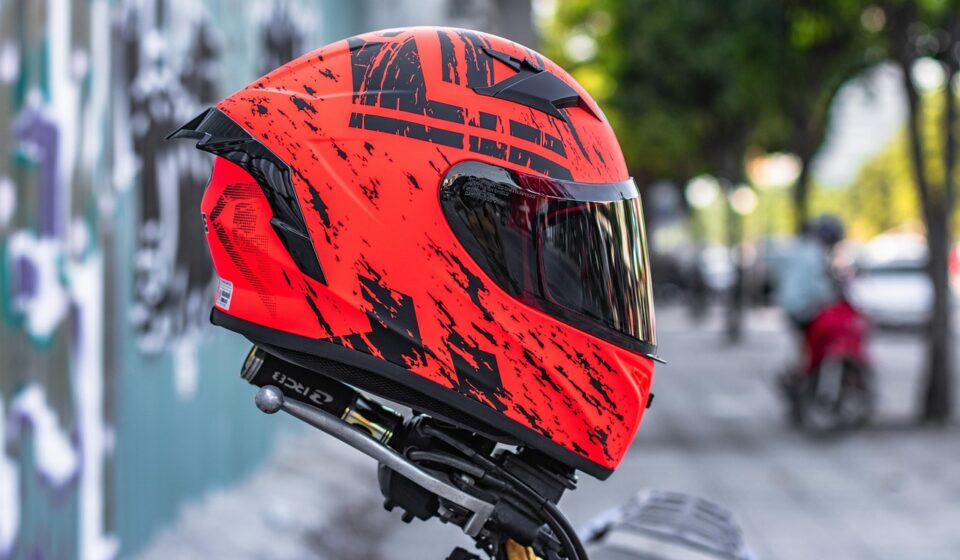
A full-face helmet covers the skull, face and chin area with a fixed chin bar. For highway commuting, sporty street riding and electric motorcycle use at traffic speeds, this design offers the most complete coverage among common road helmet styles. It also provides a sealed visor, better weather protection and more stable aerodynamics than open designs. The tradeoffs are heat management, weight and the need to find a model that does not create forehead or cheek pressure.
Modular helmets
A modular helmet has a chin bar that can flip up. Touring riders and commuters often choose modular designs because they make conversation, fuel stops and glasses easier. They are usually heavier than similar full-face helmets, however, because the hinge and locking mechanism add parts. If you choose a modular helmet, check that it is certified for the way you intend to use it and that the chin bar locks firmly without rattle.
Open-face and half helmets
Open-face helmets can be comfortable in hot weather and provide a wide field of view, but they leave the chin and face more exposed. Half helmets reduce coverage even further. Insurance Institute for Highway Safety summaries of crash research have associated certified full-face or open-face helmets with better traumatic brain injury outcomes than half-coverage designs. For riders who want airflow, a ventilated full-face or adventure helmet is often a better compromise than giving up facial coverage.
Adventure and off-road helmets
Adventure helmets usually combine a visor peak, a large eye port and road-oriented shell features. They can make sense for mixed pavement and gravel riding, but a poorly designed peak may catch wind at highway speed. Motocross helmets need goggles and may be less comfortable for long road commutes. Match the design to your actual riding, not to how aggressive it looks on a product page.
Fit is the feature you cannot fix later
A certified helmet that fits badly can move, distract the rider or fail to sit correctly during a crash. Start by measuring your head with a cloth tape just above the eyebrows and around the widest part at the back of the skull. Use the manufacturer’s size chart only as a starting point, because medium in one brand can feel very different from medium in another.
- Check head shape. Most riders fall somewhere between round, intermediate oval and long oval. Forehead pressure often means the helmet is too round or too short front-to-back. Side pressure can mean the helmet is too narrow.
- Expect firm, even pressure. A new helmet should feel snug around the crown and cheeks, but it should not create sharp pain or numb spots.
- Test movement. With the chin strap fastened, shake your head gently and try to move the helmet. Your scalp should move with the liner. The shell should not rotate freely.
- Wear it indoors first. NHTSA advises trying a new helmet for 30 to 45 minutes to reveal pressure points that may not appear in the first few minutes.
- Do not modify the impact liner. Replaceable cheek pads and comfort liners are normal. Cutting foam, drilling the shell or compressing the EPS liner can compromise the design and may void warranty coverage.
If you wear glasses, test the helmet with the exact frames you ride with. If you use earbuds or a communication system, check speaker pockets and cable routing before purchase. A helmet that requires drilling or puts hard pressure on the ears is the wrong model.
Look beyond the shell material
Buyers often ask whether polycarbonate, fiberglass, carbon fiber or composite shells are safest. Shell material matters, but it should not be used as a shortcut around certification and fit. Modern certified helmets can be built from different materials, each with tradeoffs in cost, weight, stiffness, paint finish and manufacturing method.
Instead of buying by material alone, compare the features that affect daily use: See also: solar products.
- Visor clarity and sealing. A good shield should lock securely, seal against rain and wind, and resist distortion in your normal riding position.
- Anti-fog support. Pinlock-ready shields or effective anti-fog solutions are valuable for commuting, rain and cold mornings.
- Ventilation. Intake and exhaust vents should be usable with gloves and should move air without creating excessive whistle.
- Weight and balance. A light helmet can still feel tiring if weight is poorly balanced. Test it in a riding posture, not only standing upright.
- Noise control. Quieter helmets reduce fatigue, but no motorcycle helmet should be considered hearing protection. Many riders still use appropriate ear protection where legal and safe.
- Removable liner. Washable interior pads matter for commuters and warm climates because sweat and skin oils shorten comfort life.
- Emergency features. Some helmets include emergency-release cheek pads, which can help trained responders remove a helmet more carefully after a crash.
For electric motorcycle riders, wind noise may become more noticeable because there is less engine noise masking it. That does not mean choosing a looser helmet. It means looking for a well-sealed visor, stable aerodynamics and a liner that fits evenly around the neck and cheeks.
Use price as a filter, not as proof
A higher price can buy lighter materials, better ventilation, quieter aerodynamics, premium shield mechanisms and more refined interiors. It does not automatically prove that a helmet protects better in every crash scenario. Conversely, a budget helmet that meets a recognized standard can be a rational purchase if it fits correctly and covers your riding needs.
When comparing prices, separate safety essentials from convenience upgrades. Certification, fit, chin-strap security and clear vision are essentials. Graphics, carbon finish, integrated speaker cutouts and premium paint are secondary. If your budget is limited, spend first on a certified full-face or well-built modular helmet that fits. Upgrade graphics later.
Be cautious with marketplace listings that show a certification logo in photos but provide vague model information. Counterfeit labels and novelty helmets remain a known concern in the U.S. market. Check the manufacturer name, model designation, size and date label inside the helmet. If the listing cannot clearly identify the exact model, skip it.
Replacement and maintenance rules
A helmet is energy-management equipment, not a lifetime accessory. The Motorcycle Safety Foundation advises replacing a helmet that has been involved in a crash because it may have absorbed impact shock even when damage is not obvious. The Snell Foundation also recommends replacement after five years of normal use, and sooner if the manufacturer specifies a shorter interval or if damage appears.
- Replace the helmet after any crash involving head impact or suspected impact.
- Inspect the shell, visor, retention strap, buckle, EPS liner and comfort pads regularly.
- Do not store the helmet near fuel fumes, solvents or high heat.
- Use only cleaners recommended by the helmet maker, especially on the visor.
- Replace scratched or distorted visors because clear vision is part of safety.
- Avoid buying used unless you can verify age, crash history and condition, which is rarely possible.
The manufacture date matters. Even an unused helmet can age through liner compression, adhesive degradation, storage conditions and outdated replacement parts. If a closeout helmet is several years old, the discount may not be as good as it looks.
A practical buying checklist
- Confirm the legal helmet requirement where you ride.
- Choose a recognized certification, starting with DOT / FMVSS No. 218 for U.S. road use.
- Decide on coverage, with full-face or modular designs preferred for most street and commuter riders.
- Measure your head and identify your likely head shape.
- Try the helmet for at least 30 minutes before committing if possible.
- Check visor clarity, anti-fog options, ventilation and glove-friendly controls.
- Confirm internal labels, manufacture date and exact model information.
- Budget for a clear replacement visor, anti-fog insert and proper ear protection if needed.
- Do not buy a novelty helmet for road riding.
- Replace the helmet after a crash or when age, damage or poor fit makes it unreliable.
Frequently asked questions
Is DOT enough for a motorcycle helmet?
For U.S. road use, DOT compliance with FMVSS No. 218 is the legal baseline. Many riders also consider ECE 22.06 or Snell certification when comparing models, but an additional label does not fix poor fit. Start with the required standard, then choose the helmet that fits securely and suits your riding conditions.
Should I buy ECE 22.06 instead of ECE 22.05?
ECE 22.06 is the newer UN Regulation No. 22 series and includes expanded testing compared with the older 22.05 framework. If you are buying a new helmet today and both options fit equally well, choosing the 22.06 model is generally the more current route. Still, verify the actual sewn-in label rather than relying only on a product title.
Are modular helmets safe?
A certified modular helmet can be a reasonable choice for commuting and touring, especially for riders who wear glasses or stop often. The main tradeoffs are weight and mechanical complexity. Check that the chin bar locks securely and that the helmet is certified for the configuration in which you plan to ride.
How tight should a new motorcycle helmet feel?
It should feel snug and evenly firm, especially at the cheeks and crown, but not painfully tight. It should not rotate freely when the chin strap is fastened. Pressure points that appear during a 30 to 45 minute indoor test usually mean the shape is wrong, not that you need to break it in aggressively.
Can electric motorcycle riders use lighter scooter helmets?
Use a motorcycle-rated helmet that matches road speed and local law. Electric power does not reduce the impact energy of a crash with pavement, a curb or another vehicle. For urban electric motorcycles and fast scooters, a certified full-face or modular motorcycle helmet is usually the more sensible choice.