Spring lawn maintenance checklist for a healthier, water-smart yard
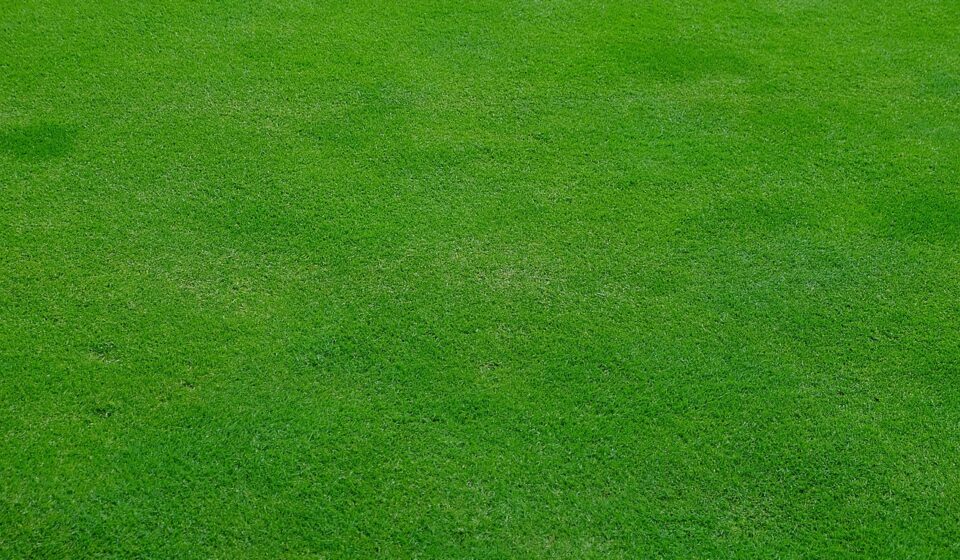
Good spring lawn maintenance starts with lawn conditions, not a fixed calendar date. Clean up and inspect first, mow only after the grass is actively growing, test the soil before adding fertilizer, and time weed prevention before annual weeds germinate. The sequence matters: working wet soil, feeding cold turf, or applying products by habit can lead to compaction, runoff, wasted water and energy, or weak growth. This checklist brings together guidance commonly used by U.S. university extension programs and EPA WaterSense so homeowners can support a healthier lawn while using water, inputs, and equipment more efficiently. For more practical seasonal care guides, visit our maintenance tips section.
Start with a slow inspection, not an aggressive cleanup
The first warm weekend of spring often pushes homeowners to rake hard, fertilize early, and restart every machine in the shed. A better first step is to walk the lawn only when the surface is firm enough that shoes do not sink into the soil. If footprints remain deeply pressed into wet ground, wait. Working on saturated soil can compact the root zone and make drainage problems worse.
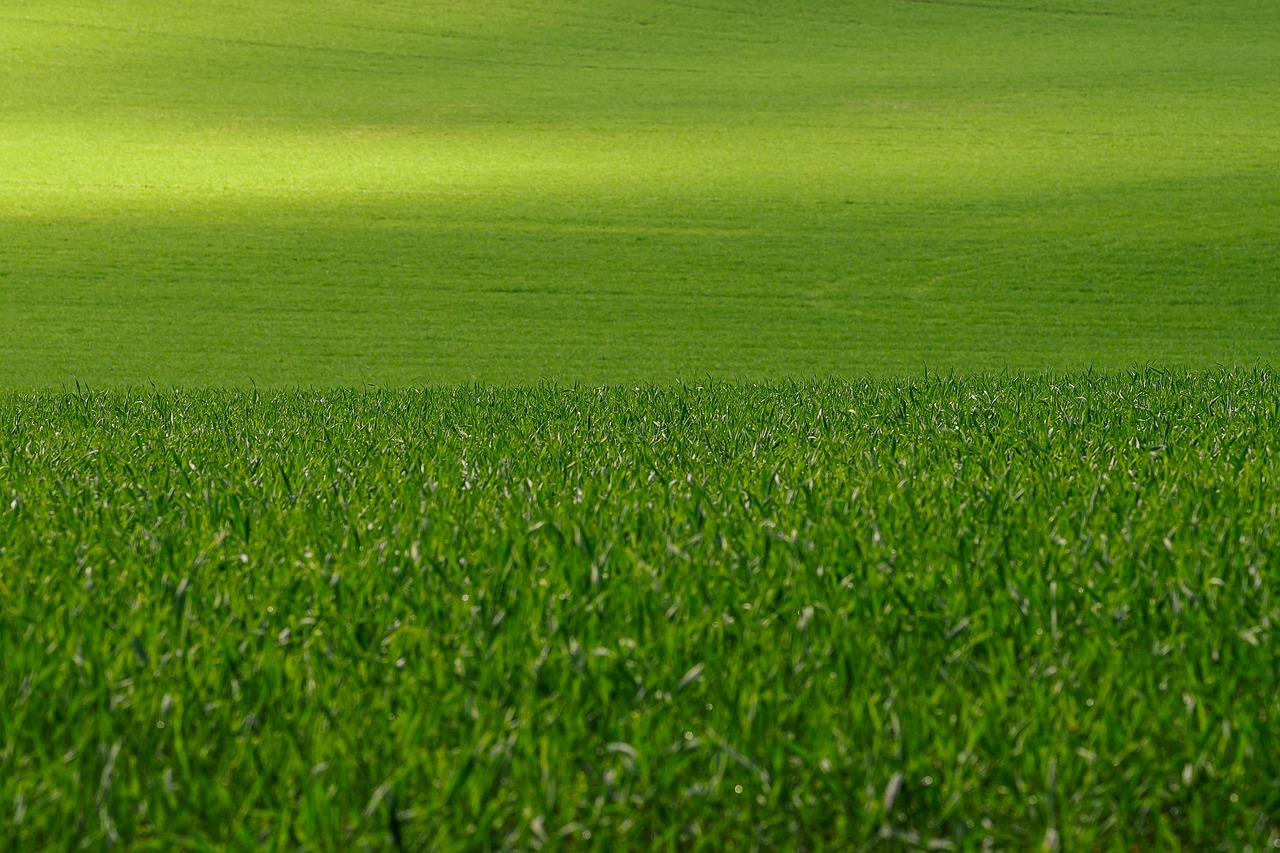
Look for four things during the first inspection: debris, bare spots, standing water, and signs of winter injury. Remove branches, litter, and heavy leaf mats that block light and air. Use a flexible leaf rake rather than a rigid metal rake on tender early growth. If the grass is still brown but the crown of the plant is alive, rough raking can pull up plants that might have recovered naturally.
Map problem areas before treating them. A low, shaded, wet corner may need drainage improvement or a different groundcover more than fertilizer. A thin strip along a driveway may be stressed by salt, reflected heat, or compacted soil. A sunny bare patch may be suitable for seeding, while widespread thinning may point to mowing, irrigation, soil pH, or traffic issues. This early diagnosis helps keep spring lawn care from becoming a series of disconnected product applications.
Know whether your lawn is cool-season or warm-season grass
Spring tasks depend heavily on grass type. Cool-season grasses, such as tall fescue, Kentucky bluegrass, perennial ryegrass, and fine fescues, grow most actively in cooler weather, especially spring and fall. Warm-season grasses, such as bermudagrass, zoysiagrass, centipedegrass, and St. Augustinegrass, wake more slowly and grow most strongly from late spring through summer.
This distinction affects mowing height, fertilizer timing, weed control, and renovation decisions. Cool-season lawns may be ready for light spring mowing and limited feeding earlier, but heavy nitrogen in spring can push fast top growth at the expense of summer resilience. Warm-season lawns generally should not be pushed before they have broken dormancy and begun active green growth.
| Spring decision | Cool-season lawn | Warm-season lawn |
|---|---|---|
| First mowing | When grass is actively growing and dry enough to cut cleanly | After green-up begins and dormant tissue can be removed lightly |
| Main feeding season | Usually fall, with lighter spring feeding if soil test and turf condition support it | Late spring through summer after active growth starts |
| Major seeding | Fall is often preferred, but spring repairs can work with careful weed-control planning | Late spring or early summer is usually more suitable for establishment |
| Aeration recovery | Best when the grass is growing strongly enough to close holes | Best after spring green-up and during active growth |
If you are unsure of your grass type, contact a local cooperative extension office or compare grass blades, growth habit, and regional climate. Local recommendations matter because spring in Minnesota, Maryland, Texas, and California does not arrive with the same soil temperature, rainfall pattern, or turfgrass species.
Test soil before fertilizing
A soil test is one of the most useful spring lawn maintenance steps because it replaces guesswork with actual pH and nutrient information. Many lawns do not need every nutrient sold in a general-purpose fertilizer bag. Some need nitrogen management, some need pH correction, and some should avoid extra phosphorus unless a soil test indicates it is needed or local rules allow it for establishment.
Collect samples from several spots in the lawn, mix them according to the lab’s directions, and keep samples from unusual problem areas separate if you want a clearer diagnosis. Extension and land-grant university labs commonly provide recommendations for pH adjustment and nutrient needs based on local soils and turfgrass conditions.
When fertilizer is justified, avoid the assumption that more is better. Too much spring nitrogen can create soft, fast growth that needs extra mowing and water. It may also increase disease pressure or contribute to nutrient movement off the lawn during heavy rain. Sweep granules from sidewalks, driveways, and streets back onto the turf so they do not wash into storm drains.
Use compost carefully
Compost can improve soil organic matter over time, but it should be screened, mature, and applied thinly. A heavy layer can smother grass crowns, create uneven surfaces, or introduce weed seeds if the material is poor quality. For established lawns, a light topdressing after aeration can help soil contact, but it should not bury the grass.
Mow for root strength and efficient growth
Mowing is not just cosmetic. It affects root depth, shade at the soil surface, weed competition, water demand, and how hard the mower has to work. A common extension recommendation is to remove no more than one-third of the grass blade at a single mowing. Cutting too short shocks the plant and can expose the soil to more heat and weed germination.
Spring growth can be fast, especially in cool-season lawns. For a few weeks, that may mean mowing more often rather than lowering the deck to save time. Keep mower blades sharp so they cut cleanly instead of tearing leaf tips. Ragged tips lose moisture more easily and can make the lawn look gray or brown after mowing.
For many cool-season lawns, mowing around the 3-inch range is a practical target, although local guidance and grass species should determine the exact height. Warm-season lawns vary more by species and may tolerate lower heights when managed correctly. The key is consistency: choose a height suitable for the turf and season, then mow often enough to avoid scalping.
Leave clippings when they are short and dry
Grass clippings are not the same as thatch. When mowing is frequent and clippings are short, they break down and return nutrients and organic matter to the soil. Bag clippings only when they are wet, clumped, diseased, or so long that they would mat over the turf. Leaving suitable clippings on the lawn also reduces yard waste and saves time.
Prevent weeds by timing, not by blanket treatment
Crabgrass and many other annual grassy weeds start from seed each year. Preemergent herbicides work before seedlings establish, so timing is more important than seeing weeds. University extension guidance commonly uses soil temperature as a signal; crabgrass germination is often associated with soil temperatures around 55°F for several consecutive days and nights. In many regions, flowering landscape plants such as forsythia are used as a rough visual reminder, but soil temperature is more reliable.
Do not apply a preemergent herbicide to areas where you plan to seed unless the product is specifically labeled as safe for that seeding plan. Many preemergent products prevent desirable grass seed from establishing along with weeds. This is why spring lawn renovation often requires a clear choice in each area: prioritize weed prevention, or prioritize seeding bare soil.
For broadleaf weeds already present, identify the weed before treating it. A few dandelions or clover patches may be handled manually. Widespread weed pressure usually signals a lawn-density problem, not just a weed problem. Improving mowing height, soil health, irrigation habits, and overseeding timing often reduces future weed pressure more sustainably than repeated spot treatments. See also: solar products.
Aerate or dethatch only when the lawn needs it
Aeration and dethatching are useful in the right situation, but they are not automatic spring chores. Core aeration helps compacted soil by removing plugs and creating channels for air and water movement. It is most useful where foot traffic, equipment traffic, clay soil, or poor infiltration limit root growth. The lawn should be actively growing so it can recover from the disruption.
Dethatching is different. Thatch is the layer of living and dead stems, roots, and organic material between green blades and the soil surface. A thin layer can be normal. Excessive thatch can block water movement and create a spongy surface. University of California turf guidance commonly uses more than one-half inch as a threshold for considering dethatching. The only way to know is to cut a small wedge of turf and measure the layer, not simply rake because the lawn looks brown in March.
If spring seeding is planned, light surface preparation may improve seed-to-soil contact. However, aggressive dethatching can open soil for weed germination and stress the existing lawn. For cool-season lawns, fall is often the better season for major renovation because temperatures cool, rainfall may improve, and annual weed competition is lower. Spring repairs can still work, but they require closer attention to moisture and weed timing.
Water by need and measure what the sprinkler delivers
Spring rain often provides more moisture than homeowners realize. Before restarting irrigation, check soil moisture and watch the grass. EPA WaterSense advises watering based on plant need rather than a fixed schedule. One simple field sign is footprinting: if footprints remain visible in the lawn several minutes after walking across it, the grass may be under moisture stress.
Many landscapes are often described as needing about one inch of water per week, including rainfall, but that number varies by climate, soil, grass type, slope, sun exposure, and season. Rather than guessing, place several straight-sided cans around the sprinkler zone and time how long it takes to collect one-half inch of water. That gives you a real output rate for your system.
- Water early in the morning when practical to reduce evaporation and leaf-wetness problems.
- Stop watering if water begins to pool or run off; use shorter cycle-and-soak sessions if soil absorbs slowly.
- Adjust sprinkler heads so they water grass and planting beds, not pavement.
- Inspect irrigation monthly for broken heads, clogged nozzles, leaks, and overspray.
- Use rain sensors, weather-based controllers, or soil-moisture-based control where appropriate.
Water-smart maintenance is also energy-smart maintenance. Pumping, treating, heating, and moving water all require resources, so a lawn that uses water efficiently fits a broader low-waste home maintenance strategy.
Choose and maintain equipment with efficiency in mind
Spring is also the season to inspect tools before heavy use begins. Clean the mower deck, sharpen blades, check safety guards, and review the owner’s manual for maintenance intervals. Gasoline engines may need fresh fuel, air filter service, spark plug inspection, and oil changes. Battery-powered tools need clean contacts, healthy batteries, and correct storage temperatures.
Efficient equipment does not replace good turf management, but it can reduce wasted effort. A sharp mower blade lowers stress on grass and may reduce the load on the motor. Correct mowing frequency prevents the mower from bogging down in overgrown grass. Matching the tool to the lawn size also matters: a small urban lawn may be practical for a reel mower or cordless mower, while larger properties need runtime and cutting-width planning.
EPA materials note that gasoline-powered lawn and garden equipment emits air pollutants. Battery and corded electric tools reduce on-site exhaust during operation, although total environmental impact still depends on electricity sources, battery life, tool durability, repairability, and responsible end-of-life recycling. The practical spring takeaway is to maintain what you own, avoid unnecessary passes, and consider lower-emission options when replacing worn equipment.
A practical spring lawn maintenance sequence
- Wait until the lawn surface is firm and grass is beginning active growth.
- Remove debris and heavy leaf mats gently.
- Inspect drainage, bare spots, compaction, salt injury, and traffic damage.
- Identify grass type and check local extension timing for your region.
- Send a soil sample before buying fertilizer or lime.
- Sharpen mower blades and set an appropriate mowing height.
- Mow according to growth rate, removing no more than one-third of the blade.
- Decide between spring seeding and preemergent weed control in each area.
- Aerate only compacted areas when turf can recover.
- Measure sprinkler output and water only when rainfall and soil moisture are not enough.
The most effective spring program is usually restrained. It builds turf density, protects roots, limits runoff, and saves energy by doing the right job at the right time.
Frequently asked questions
When should spring lawn maintenance start?
Start when the soil is no longer saturated and the grass is beginning active growth. Calendar dates vary by region, so soil firmness, grass growth, and local extension guidance are better indicators than the first warm weekend.
Should I fertilize my lawn in early spring?
Not automatically. Test the soil first and consider grass type. Cool-season lawns often benefit more from fall feeding, while warm-season lawns usually respond better after late-spring green-up. Light spring fertilizer may be appropriate when a soil test and turf condition support it.
Can I seed and apply crabgrass preventer at the same time?
Usually not unless the product label specifically allows it for new seeding. Many preemergent herbicides can stop desirable grass seed from germinating, so decide which areas need weed prevention and which need seeding.
Is dethatching needed every spring?
No. Dethatching should be based on measured thatch thickness and turf condition. A thin thatch layer can be normal, while a layer over about one-half inch may justify action when the lawn is actively growing and able to recover.
How much should I water in spring?
Water only when rainfall and soil moisture are not enough. Measure sprinkler output with straight-sided cans, watch for runoff, and adjust for weather. Many lawns need less irrigation in spring than in summer, especially during rainy periods.