How to produce renewable energy at home and choose the right system
What it means to produce renewable energy
To produce renewable energy at home or on a small property, first match the resource on the site with the energy you actually need. For most grid-connected homes, rooftop or ground-mounted solar photovoltaic panels are the most practical starting point. Small wind can work on open, windy land with enough tower space. Micro-hydro can be highly productive where there is legal access to a year-round stream with adequate head and flow. Geothermal heat pumps do not generate electricity, but they use stable ground temperatures to reduce heating and cooling energy. Batteries also do not create energy; they store it, improve self-use, and can provide backup when the system is designed for that purpose.
In practical terms, buyers usually need to know which equipment can generate usable energy, how the options compare, and what must be checked before signing a contract. The right system depends less on a product brochure than on site conditions, utility rules, safety requirements, and long-term economics.
Renewable energy is now a mainstream electricity source. The U.S. Energy Information Administration reported that renewables supplied about 24% of U.S. utility-scale electricity generation in 2025, while small-scale solar added an estimated 93 billion kWh. International Energy Agency reporting also shows that solar PV has been the leading source of recent renewable capacity growth worldwide. For buyers, those trends mean equipment choices, installer experience, and grid procedures are more mature than they were a decade ago, although local project quality still varies widely.
Start with your energy demand before choosing equipment
A good renewable energy project starts with demand, not panels, turbines, or batteries. Collect at least 12 months of electric bills and note annual kWh use, seasonal peaks, and likely future changes such as an electric vehicle, heat pump, workshop, pool pump, or home office. If you use propane, heating oil, or natural gas, decide whether the project is meant only to produce electricity or also to support wider electrification.
Efficiency upgrades usually improve the economics of any renewable system. Air sealing, insulation, efficient appliances, smart controls, and load scheduling can reduce the system size needed. A smaller, well-designed array often performs better financially than an oversized system that exports power at a low credit rate.
For an initial estimate, use a conservative production model. The National Renewable Energy Laboratory’s PVWatts calculator is widely used to estimate grid-connected solar PV output based on location, system size, tilt, orientation, and losses. Treat any estimate as a planning figure, not a guarantee. Weather, shading, soiling, snow, equipment downtime, and utility limits can all reduce actual output.
Compare the main ways to produce renewable energy
| Option | What it produces | Best fit | Main buying checks | Key limitation |
|---|---|---|---|---|
| Solar PV | Electricity | Sunny roofs, carports, or open ground | Roof age, shade, orientation, inverter type, annual kWh estimate, interconnection | Output changes by sun, season, and weather |
| Small wind | Electricity | Open rural sites with steady wind and tower space | Wind resource, tower height, setbacks, noise rules, maintenance access | Poor fit for most dense neighborhoods |
| Micro-hydro | Electricity | Properties with legal water access, reliable flow, and usable elevation drop | Head, flow, water rights, environmental permits, intake design | Highly site-specific and permit-sensitive |
| Solar water heating | Thermal energy | Homes with steady hot-water demand | Freeze protection, tank size, roof space, backup heating | Does not power appliances |
| Geothermal heat pump | Efficient heating and cooling | Homes with suitable land or drilling access | Loop design, contractor experience, home heat load, ductwork or distribution | High upfront site work; not an electricity generator |
| Battery storage | Stored electricity | Solar owners, outage-prone areas, time-of-use rates | Usable kWh, power rating, critical-load panel, warranty, safety compliance | Adds cost and does not create energy |
Why solar PV is usually the first system to evaluate
Solar PV is often the easiest technology to assess first because it has no fuel cost, few moving parts, modular sizing, and broad installer availability. A grid-tied system can offset daytime electricity use and export excess production under the utility’s interconnection and compensation rules. A hybrid solar-plus-storage system can store some production for evening use or backup loads. An off-grid system needs more conservative sizing because it must cover low-sun periods with enough generation, storage, and backup planning.
Before requesting quotes, check roof age and condition. If the roof may need replacement soon, replacing it before solar installation is usually cleaner than paying to remove and reinstall panels later. Also check shade from trees, chimneys, dormers, neighboring buildings, and future growth. Even partial shade can reduce output, although module-level power electronics can help in some designs.
When comparing proposals, focus on annual kWh production, not only system size in kW. Two systems with the same nameplate capacity can produce different amounts if their orientation, tilt, shading, inverter design, and losses differ. Ask installers to explain the assumptions behind the production estimate and to show expected first-year output, the annual degradation assumption, equipment warranties, workmanship warranty, and the monitoring platform.
Readers who want more product-selection articles can browse the buying guides section for related renewable energy purchasing topics.
When wind, micro-hydro, and renewable thermal systems make sense
Small wind needs open land and measured wind
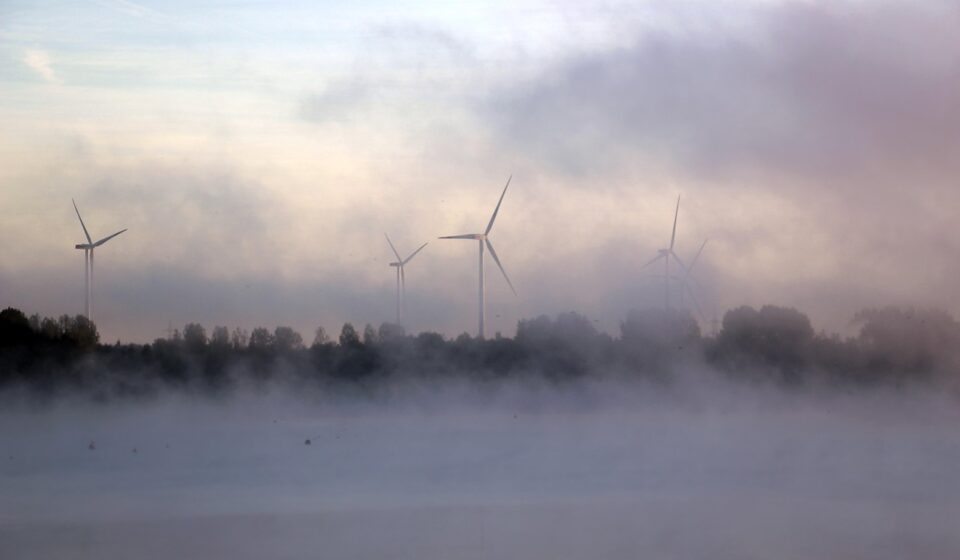
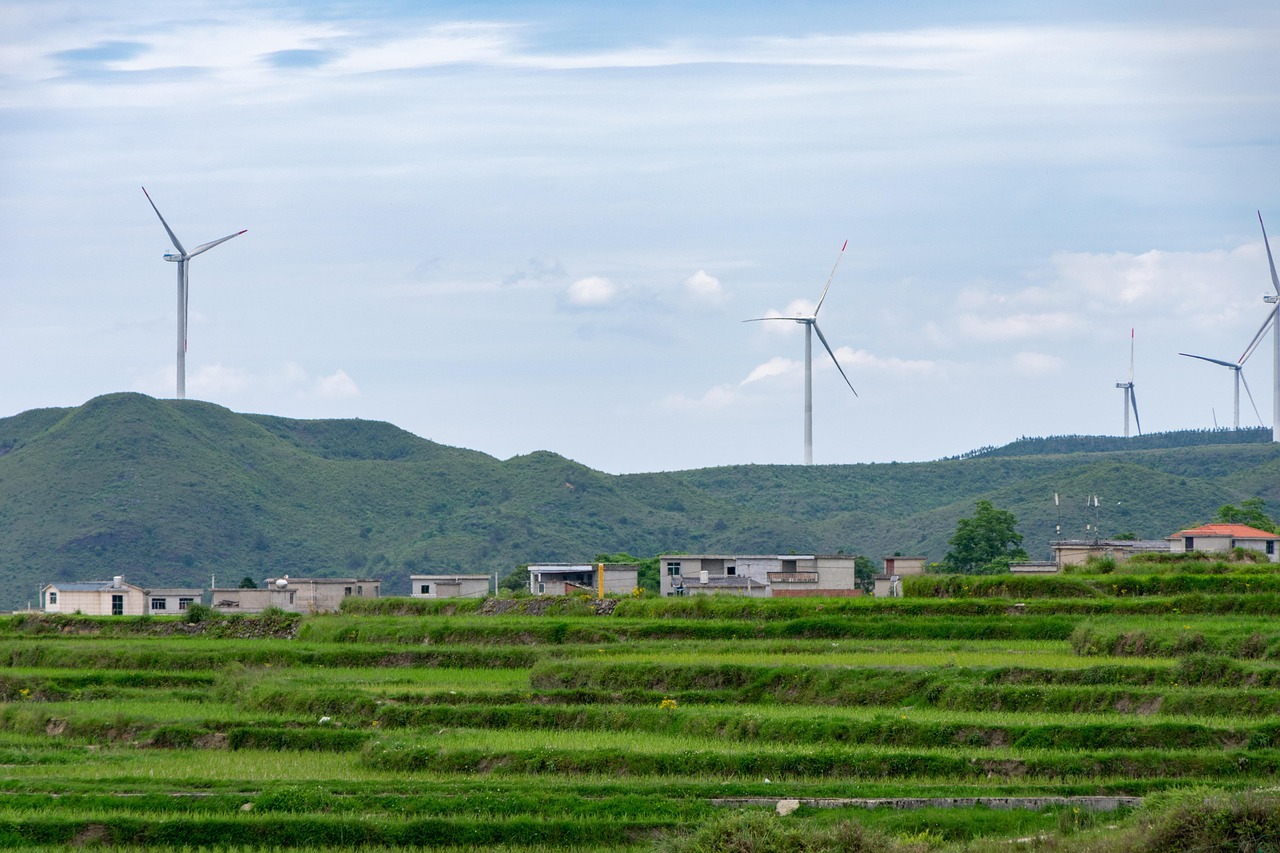
Small wind turbines can be valuable on the right site, especially farms, ranches, remote homes, and small businesses with open exposure. The Department of Energy’s WindExchange guidance emphasizes that wind projects need enough average wind speed, suitable tower height, space, interconnection options, and acceptable economics. In practice, small wind is rarely a plug-and-play product for suburban lots. Buildings, trees, turbulence, zoning limits, and maintenance access can make a promising brochure estimate perform poorly in the field.
If you are serious about small wind, ask for a site-specific energy estimate, not just a rated power number. Wind turbine output depends heavily on wind speed, and small increases in wind speed can have a large effect on generation. The tower location should avoid obstructions, comply with setbacks, and allow safe maintenance.
Micro-hydro can be steady but is highly site-specific
Micro-hydro is attractive because moving water can run day and night, unlike solar and wind. The Department of Energy defines micro hydropower as systems up to 100 kW, and a well-sited small system may serve a home, farm, ranch, or village. The opportunity is limited, however, to properties with a suitable water resource and the legal right to use it.
The two numbers that matter most are head and flow. Head is the vertical drop; flow is the volume of water moving through the system. You also need to evaluate seasonal variation, fish and habitat concerns, debris management, freezing risk, transmission distance, and permitting. In many locations, water rights and environmental approvals are the deciding factors, not turbine price.
Geothermal heat pumps reduce energy use rather than generating electricity
Geothermal heat pumps, also called ground-source heat pumps, use the relatively stable temperature below ground to heat and cool buildings efficiently. They are not electric generators, so they should not be described as producing electricity. They can reduce total purchased energy and pair well with solar PV because a more efficient building needs a smaller renewable electricity system to offset annual use. See also: solar products.
Storage, interconnection, and safety should shape the design
A common misconception is that rooftop solar automatically powers a home during an outage. Most standard grid-tied solar systems shut down when the grid fails to protect utility workers and equipment. To keep power during an outage, the system needs a suitable inverter, transfer or isolation equipment, and storage or another backup source. Solar-plus-storage systems can support critical loads such as refrigeration, lighting, communications, medical devices, or selected heating and cooling equipment. Whole-home backup requires a larger and more expensive design.
Battery sizing should start with a critical-load list. Identify the circuits that must run, their power draw, and how many hours or days of autonomy you need. A 10 kWh battery does not mean 10 hours of whole-home backup. Runtime depends on usable capacity, inverter output, starting loads, weather, solar recharge, and load management.
Safety and code compliance are not optional. Stationary energy storage systems are covered by standards and local codes, including NFPA 855 requirements for installation safety. Permitting authorities may also have rules on battery location, clearance, fire detection, labeling, and disconnects. Use licensed professionals for grid-interactive systems and confirm that equipment is listed for the intended use.
How to evaluate quotes and incentives in 2026
As of October 2026, U.S. buyers should not assume the former 30% federal Residential Clean Energy Credit is available for new residential solar, wind, geothermal, fuel cell, or battery storage projects. IRS materials state that the residential clean energy credit applied to qualified property installed from 2022 through December 31, 2025, and current U.S. code terminates the credit for expenditures after December 31, 2025. Tax details can depend on placed-in-service dates and individual circumstances, so buyers should verify with a tax professional before relying on any incentive claim.
State, local, utility, and income-based programs may still change the economics. The Database of State Incentives for Renewables and Efficiency is a commonly used resource for checking state and utility programs, but final eligibility should always be confirmed with the program administrator before signing a contract.
Get at least three comparable quotes where possible. Each proposal should show total installed cost, equipment model numbers, expected annual kWh, financing terms, warranty coverage, maintenance responsibilities, interconnection assumptions, and any incentive assumptions. Be cautious with high-pressure sales claims, vague savings projections, or contracts that hide escalators, lien terms, production assumptions, or roof-work exclusions.
A practical buying checklist
- Collect 12 months of electricity data and estimate future load changes.
- Reduce avoidable energy waste before sizing generation.
- Match technology to the actual site resource: sun, wind, water, or ground conditions.
- Check roof condition, shading, zoning, permits, HOA rules, and utility interconnection requirements.
- Compare annual kWh production, not just equipment capacity.
- Ask whether the system works during outages and what loads it can support.
- Confirm all incentives in writing and verify tax claims independently.
- Review warranties for equipment, workmanship, roof penetrations, monitoring, and batteries.
- Use qualified installers and code-compliant equipment.
- Keep final drawings, permits, inspection records, manuals, and monitoring access credentials.
Frequently asked questions
Can a home produce all of its electricity from renewable energy?
Yes, some homes can offset all annual electricity use with solar, wind, hydro, or a hybrid system. Annual offset, however, is not the same as being independent from the grid every hour. Seasonal output, nighttime use, weather, and utility rules determine how much power is self-used, exported, stored, or purchased.
Do I need batteries to produce renewable energy?
No. Solar panels, wind turbines, and micro-hydro turbines can produce electricity without batteries if they are properly connected to the grid or to direct loads. Batteries are used to store energy, increase self-consumption, manage time-of-use rates, or provide backup power when the system is designed for islanded operation.
Which renewable energy system produces the most power?
There is no single answer. A large sunny roof may favor solar PV, an open windy farm may favor wind, and a property with year-round flowing water may get strong output from micro-hydro. The best comparison is estimated annual kWh after real site losses, not the advertised equipment rating.
Can renters produce renewable energy?
Renters usually cannot install permanent systems without owner approval, but they may be able to choose a community solar program, green power plan, portable solar product for small loads, or efficiency upgrades allowed under the lease. Program availability depends on state, utility, and building rules.
What is the biggest mistake buyers make?
The biggest mistake is buying equipment before confirming the site, utility rules, permits, and realistic production. A renewable energy system is a long-lived electrical project. The best results usually come from careful load analysis, conservative estimates, transparent quotes, and code-compliant installation.