Garden maintenance tips for a healthier, lower-input yard
Build a garden routine around prevention
The most useful garden maintenance tips are usually simple and preventive: inspect the garden often, water only when soil and plants need it, keep soil covered, remove weeds while they are still small, prune at the right time, and use tools that make routine work easier. A healthy yard is usually built through small, repeated tasks, not occasional major cleanups. Public guidance from EPA WaterSense and U.S. Cooperative Extension programs points in the same general direction: efficient watering, soil protection, early pest identification, and correct pruning can reduce plant stress and limit avoidable work later.
This guide focuses on practical maintenance for home landscapes, raised beds, lawns, shrubs, and mixed garden spaces. For more related guides, visit our maintenance tips section.
Start with a simple maintenance baseline
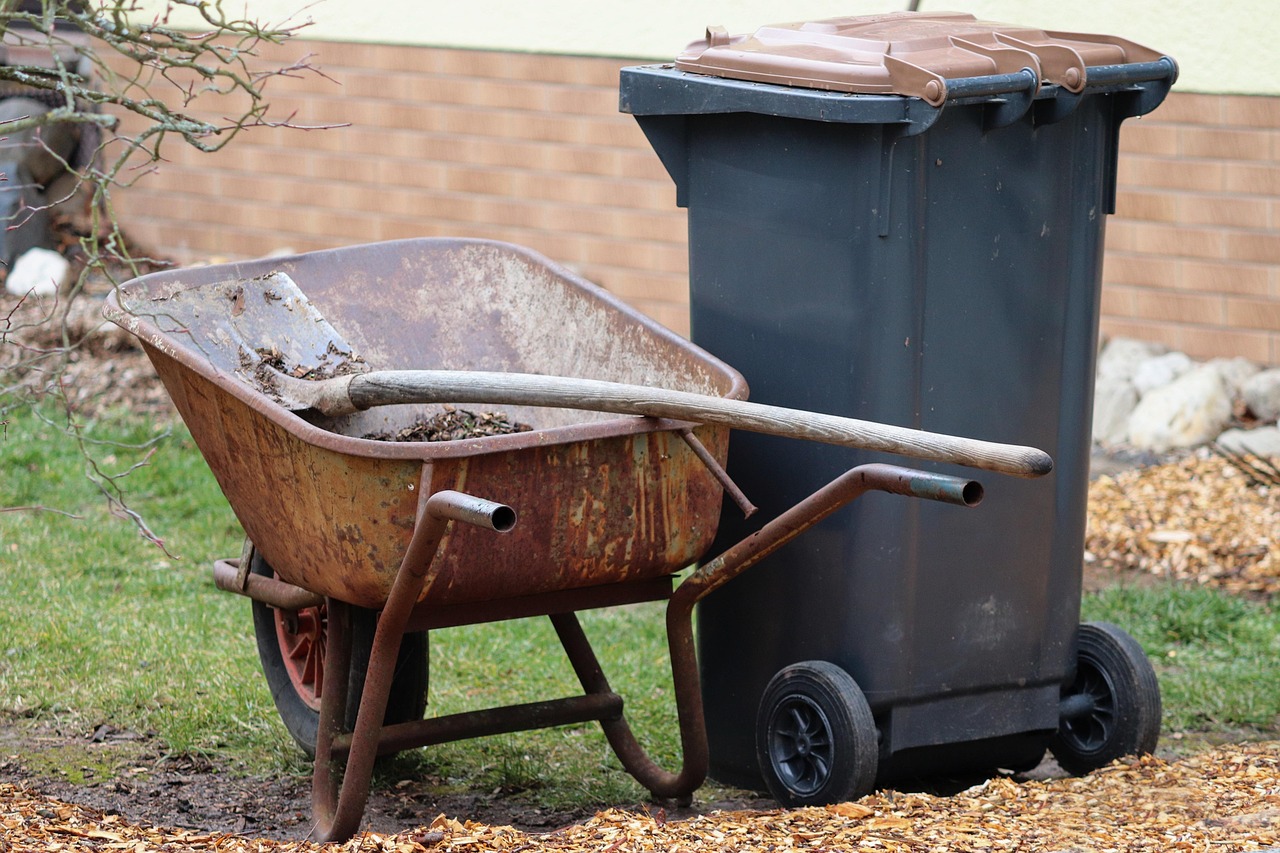
Before changing watering schedules, buying tools, or cutting back plants, walk the garden and record what is actually happening. Many problems that appear to be pests or disease begin with site conditions such as compacted soil, poor drainage, too much shade, irregular watering, or plants growing where they are unlikely to thrive.
A useful baseline check covers four areas. First, look at plant condition. Are leaves wilting, yellowing, curling, spotting, or dropping early? Second, check the soil. Is it dry below the surface, waterlogged, crusted, or compacted? Third, inspect irrigation and hoses. Water should reach root zones rather than pavement, fences, or foliage that stays wet for long periods. Fourth, note plant spacing and airflow. Dense growth can trap humidity and make pests harder to see.
| Maintenance area | What to check | Why it matters | Suggested rhythm |
|---|---|---|---|
| Soil moisture | Check below the surface before watering | Prevents both drought stress and overwatering | Several times weekly in hot weather |
| Weeds | Pull or cut young weeds before seed set | Reduces competition for water, light, and nutrients | Weekly during active growth |
| Irrigation | Look for leaks, clogged heads, runoff, or overspray | Saves water and protects plant roots | Monthly, or after storms and repairs |
| Pests and disease | Inspect leaf undersides, stems, flowers, and new growth | Early identification allows lower-impact control | Weekly; more often during outbreaks |
Water by soil need, not by habit
Watering is one of the easiest maintenance tasks to get wrong. A fixed schedule may be convenient, but it does not always match weather, soil type, plant age, or seasonal demand. Most plants need water delivered to the root zone, not a quick wetting of the surface. If water runs off before soaking in, the garden may need shorter watering cycles with breaks between them, especially on slopes or clay-rich soils.
EPA WaterSense guidance highlights the value of water-efficient irrigation practices, including soil moisture-based controllers and weather-based controllers for landscapes with automatic systems. These technologies are designed to adjust irrigation based on actual moisture or weather conditions rather than a simple clock. For gardens, shrubs, and trees, drip irrigation or soaker hoses can also reduce waste by applying water slowly and close to the roots.
For hand watering, use a gentle flow and water deeply enough to moisten the active root zone. Morning watering is often preferred because plants enter the heat of the day with available moisture and foliage has time to dry. Avoid shallow daily watering unless you are caring for seedlings, newly planted containers, or plants with very limited root systems. Shallow watering encourages shallow roots and can make plants more vulnerable during hot, dry periods.
Group plants with similar water needs when possible. A drought-tolerant shrub, a thirsty annual bed, and a vegetable crop should not be forced into the same irrigation pattern. Hydrozoning, the practice of grouping plants by water requirement and site exposure, is both a maintenance decision and a design decision. It reduces guesswork and helps each part of the garden receive a more suitable amount of water.
Protect soil before chasing plant problems
Good soil maintenance reduces many later problems. Soil supports roots, stores water, holds nutrients, and affects how quickly plants recover from heat or pruning. If plants struggle year after year in the same bed, a soil test is often more useful than adding random fertilizer. Extension services commonly recommend soil testing because it can identify pH and nutrient conditions, helping gardeners avoid unnecessary or poorly matched amendments.
Mulch is one of the highest-value maintenance practices for most garden beds. It helps slow evaporation, moderate soil temperature, reduce erosion, and suppress weed germination. Organic mulches such as shredded bark, wood chips, straw, leaves, compost, or grass clippings also break down over time and can contribute organic matter. The exact depth depends on material, plant type, and climate, but many horticultural references recommend a moderate layer rather than piling mulch thickly against stems or trunks.
Keep mulch away from the base of trees, shrubs, and perennial crowns. A mulch pile pressed against bark can hold moisture where it is not wanted and may create conditions for decay or pest issues. Around trees and woody shrubs, leave a small open ring at the trunk or stem and spread mulch outward over the root zone instead.
Also avoid working soil when it is very wet. Digging, walking, or turning saturated soil can compact it, reducing the air spaces that roots and soil organisms need. If drainage is poor, focus on adding organic matter, using raised beds where appropriate, keeping soil covered, and selecting plants that fit the site rather than repeatedly trying to force unsuitable plants to survive.
Control weeds and pests before they become emergencies
Weeds are easier to control when they are small. A weekly pass with a hand tool, hoe, or gloved hand often prevents hours of work later. Removing weeds before they flower or set seed also reduces future pressure. In garden beds, mulch can reduce weed germination, but it works best when applied after existing weeds are removed.
For pests, the first step is identification, not spraying. Integrated pest management, often called IPM, emphasizes monitoring, correct identification, prevention, and the least disruptive effective control. This matters because many insects in a garden are harmless or beneficial. Lady beetles, lacewings, parasitic wasps, bees, and other organisms can be part of a functioning garden ecosystem.
When scouting, inspect leaf undersides, tender shoots, flower buds, stems, and soil-level growth. Look for eggs, larvae, webbing, chewing damage, sticky residue, distorted leaves, or disease spots. Take notes or photos so changes are easier to compare. If a problem is limited to a small area, pruning out damaged tissue, removing affected leaves, washing pests off with water, improving airflow, or using a physical barrier may be enough.
Chemical controls should be treated as a last step, not the first reaction. If a product is necessary, follow the label exactly, target the identified problem, and avoid broad applications that can harm beneficial insects or pollinators. In many home gardens, prevention through spacing, sanitation, resistant plant choices, healthy soil, and regular observation reduces the need for heavier intervention.
Prune for health, timing, and airflow
Pruning is not only about appearance. Done well, it removes dead, damaged, diseased, crossing, or crowded growth and improves structure and airflow. Done at the wrong time or too severely, it can reduce flowering, stimulate weak growth, or stress the plant. See also: solar products.
A reliable rule is that dead, damaged, or diseased wood can usually be removed when noticed. For flowering shrubs, timing depends on when they set buds. Spring-flowering shrubs often bloom on older wood and are commonly pruned soon after flowering. Many summer- and fall-flowering shrubs bloom on current-season growth and are often pruned in late winter or early spring before new growth begins. Because species differ, gardeners should confirm timing for valuable or unfamiliar plants before heavy pruning.
Use clean, sharp tools. Dull blades tear tissue and make cuts slower to heal. If pruning diseased growth, clean blades before moving to healthy plants. Avoid topping trees or shearing shrubs into unnatural shapes unless the plant is specifically maintained as a formal hedge. Heavy shearing can create a dense outer shell while leaving weak, shaded interior growth.
Pruning should have a reason. Remove a branch because it is dead, rubbing, unsafe, diseased, poorly placed, or interfering with airflow or access. Random cutting often creates more work because the plant responds with vigorous, poorly placed shoots. For large limbs, mature trees, or any work near power lines or structures, professional help is safer than guessing.
Choose tools that make routine maintenance easier
The right tools reduce friction, which makes maintenance more likely to happen on time. A gardener with sharp pruners, a reliable hose setup, a comfortable weeding tool, and organized storage will usually do better than one relying on occasional major cleanups.
For lawns and larger yards, battery-powered equipment can reduce fuel storage, engine maintenance, and local exhaust compared with small gasoline tools. The practical choice depends on yard size, runtime needs, battery capacity, charging access, and the type of work. A small urban garden may be well served by cordless pruning, trimming, and blowing tools, while a large property may need a more careful power plan with spare batteries or higher-capacity equipment.
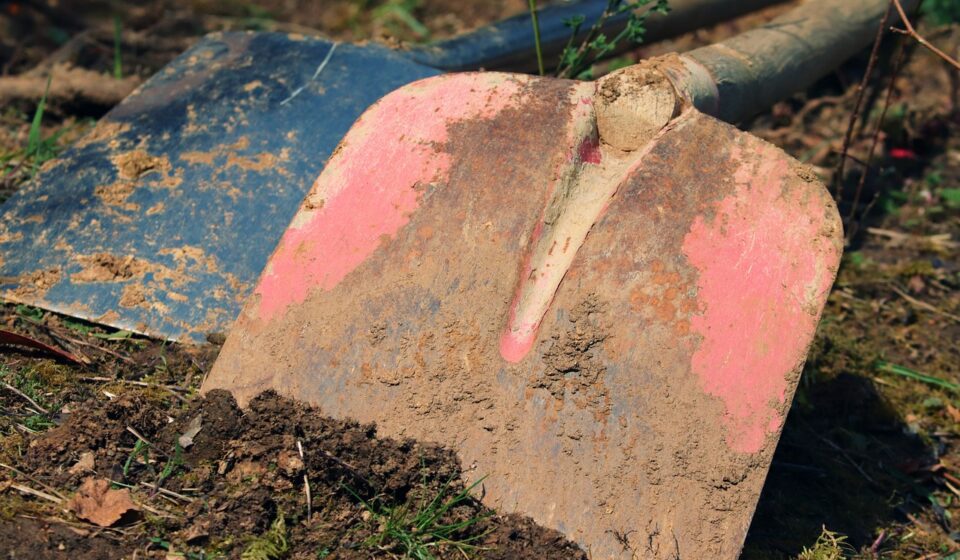
Tool maintenance is part of garden maintenance. Clean soil from digging tools, sharpen blades, check hoses and fittings, store batteries according to manufacturer instructions, and keep chargers in dry, suitable locations. For watering systems, inspect filters, emitters, valves, and heads. A clogged drip line or misdirected sprinkler can quietly damage plants or waste water for weeks before the problem becomes obvious.
Low-input gardening also depends on plant choice. Native or regionally adapted plants, once established, often require less supplemental water and fewer interventions than plants poorly matched to local climate, soil, or exposure. That does not mean every garden must be wild or informal. It means maintenance should begin with plants that fit the conditions you actually have.
Follow a seasonal garden maintenance checklist
A seasonal checklist keeps tasks from becoming overwhelming. The exact timing will vary by region, but the main maintenance categories remain consistent.
| Season | Priority tasks | Maintenance goal |
|---|---|---|
| Spring | Inspect winter damage, test soil if needed, refresh mulch, check irrigation, divide crowded perennials, prune spring-flowering shrubs after bloom | Prepare healthy growth and prevent early weed pressure |
| Summer | Monitor soil moisture, water deeply when needed, scout pests, remove weeds before seed set, deadhead or lightly prune suitable plants, inspect tools and hoses | Reduce heat stress and catch problems early |
| Fall | Remove diseased plant debris, plant suitable trees or perennials where climate allows, protect soil with mulch or cover crops, clean tools, review what performed well | Build soil and reduce next season’s workload |
| Winter | Plan plant replacements, service tools, prune appropriate dormant plants, avoid walking on saturated beds, organize seeds and supplies | Prepare improvements without compacting soil |
The most effective plan is realistic. If you only have 20 minutes twice a week, use that time for the highest-impact tasks: soil moisture checks, weed removal, pest scouting, and quick irrigation inspection. Regular attention is more valuable than a perfect checklist that is too demanding to follow.
Frequently asked questions
How often should I maintain my garden?
During active growth, a weekly inspection is a good baseline. In hot, dry, rainy, or pest-prone periods, check more often. Short visits help you notice moisture stress, weeds, broken irrigation parts, and pest activity before they become larger problems.
What is the most important garden maintenance task?
Water management is often the most important because both too little and too much water can weaken plants. Soil moisture checks, mulch, drip or soaker irrigation, and plant grouping by water need can make the whole garden easier to manage.
Should I mulch every garden bed?
Most ornamental and vegetable beds benefit from mulch, but the material and depth should match the plants and climate. Keep mulch away from stems, trunks, and crowns, and avoid applying it so thickly that water cannot reach the soil easily.
When should I prune shrubs?
Remove dead, damaged, or diseased branches when you notice them. For flowering shrubs, prune according to bloom time. Many spring-flowering shrubs are pruned after flowering, while many summer-flowering shrubs are pruned in late winter or early spring.
Can electric garden tools reduce maintenance work?
They can reduce some equipment maintenance, especially fuel mixing, oil changes, and engine storage issues common with small gasoline tools. The best choice depends on yard size, runtime needs, charging access, and whether the tool has enough power for the task.