Solar roof vent fan guide for attic ventilation and efficiency
What a solar roof vent fan actually does
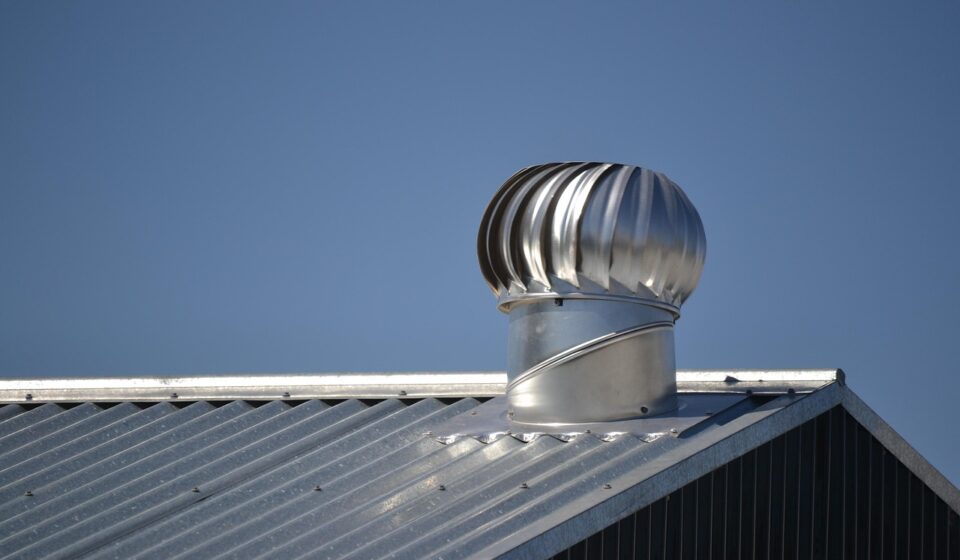
A solar roof vent fan is a powered attic ventilator that uses a small photovoltaic panel to run a fan mounted on the roof or near the roof line. Its purpose is to exhaust hot attic air. It does not cool living rooms directly.
This type of fan is most relevant in an unconditioned, vented attic where heat builds up below the roof deck and outdoor air can enter through soffit or eave vents. It is not a substitute for air sealing, insulation, or a balanced passive ventilation layout. ENERGY STAR guidance treats attic ventilation as one part of a larger attic system, along with open soffit vents and control of air leakage from the living space. (energystar.gov)
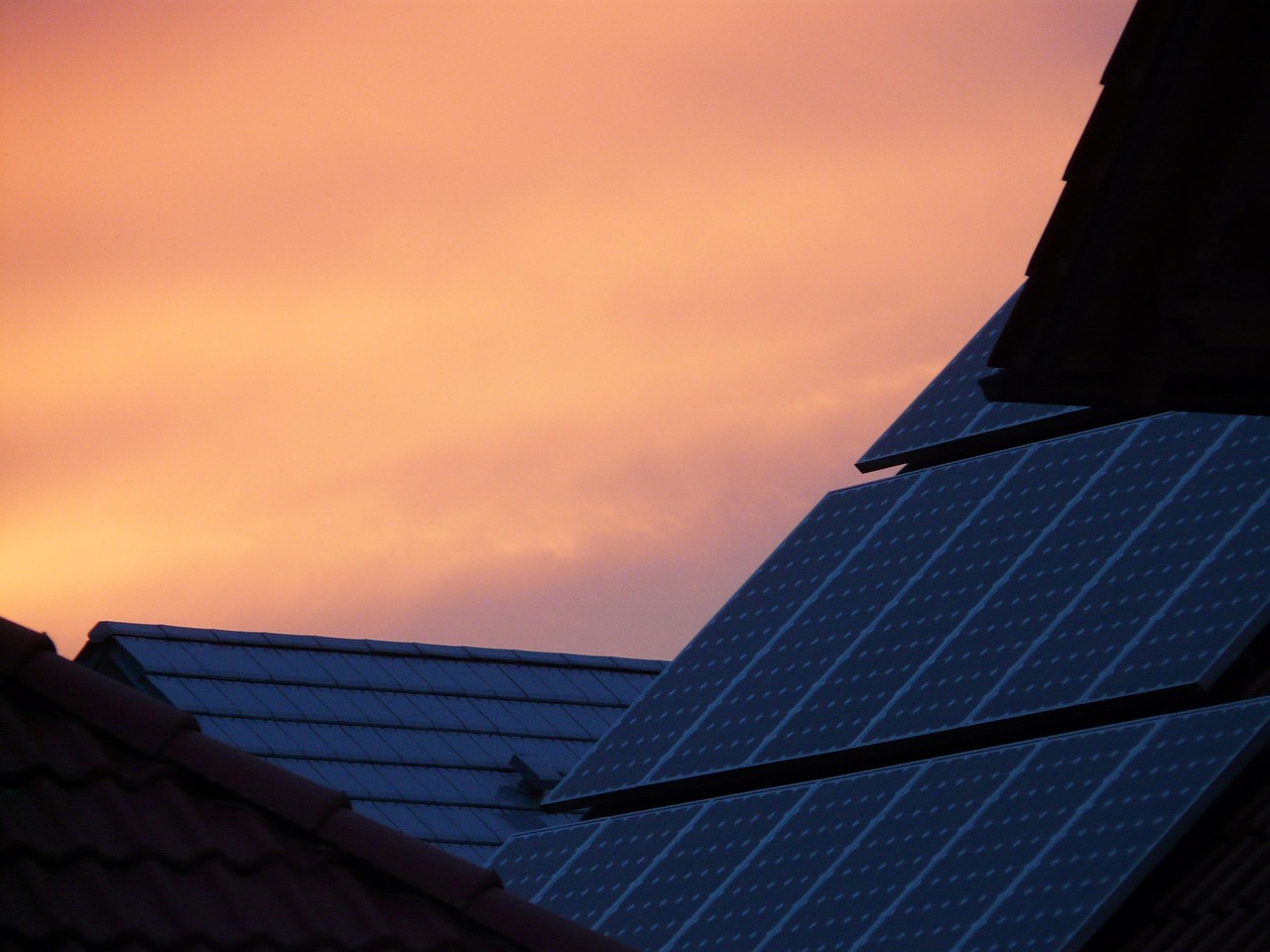
The operating logic is straightforward: sunlight powers the fan during the hours when attic heat is usually highest. Unlike a hardwired attic fan, a solar model does not use household electricity during normal solar operation. The trade-off is that the fan still changes attic pressure. If the attic floor is leaky, or if intake air is limited, the fan can pull cooled indoor air into the attic instead of drawing outdoor air through soffit vents. The practical question is therefore not only whether a solar fan works, but whether it works in the specific roof, climate, and attic assembly where it will be installed.
For more practical home energy topics, see our efficiency guides.
How a solar attic fan can affect home efficiency
Attic heat matters because the attic sits between the roof and the conditioned rooms below. In summer, very hot attic air can increase heat flow through the ceiling and can raise temperatures around HVAC ducts located in the attic. The Florida Solar Energy Center has studied photovoltaic attic ventilators in hot-humid conditions and noted that ceiling heat transfer and attic duct heat gain can contribute to cooling loads. That supports the building-science logic behind attic exhaust, but it does not mean every solar roof fan will produce a measurable utility-bill reduction in every home. (stars.library.ucf.edu)
Any efficiency benefit depends on three practical conditions. First, the ceiling plane must be sealed well enough that the fan is not pulling conditioned air from the rooms below. Second, there must be enough low intake area, usually at the soffits or eaves, so the fan can move outdoor air through the attic. Third, the attic should be a vented, unconditioned attic. If spray foam insulation is installed at the roof deck and the attic is intentionally conditioned or semi-conditioned, adding a roof exhaust fan may conflict with that design.
Building science sources often warn that powered attic exhaust can depressurize an attic and, through ceiling leaks, connect that pressure to the conditioned space below. In plain terms, an oversized fan or a fan with too little intake may make the air conditioner replace indoor air that should not have been pulled out of the house. This risk is lower when the ceiling is carefully air sealed and intake vents are unobstructed, but it should be considered before buying the fan. (buildingscience.com)
When a solar roof vent fan makes sense
A solar roof vent fan is more likely to be useful when several conditions line up: the home is in a sunny cooling climate, the attic is vented and unconditioned, roof temperatures stay high for long periods, and the existing passive exhaust area is limited or poorly placed. It can also be attractive where running electrical wiring to the roof would be inconvenient, because many models use the photovoltaic panel to power the motor directly.
It may make less sense when the attic already has a balanced ridge-and-soffit system that performs well, when the roof has complex ventilation paths, or when the only available intake is through other high vents. In those cases, a fan can short-circuit airflow by pulling air from nearby roof or ridge vents instead of drawing cooler air from the eaves. The fan may move plenty of air near the opening while doing less for lower attic areas.
Homes with combustion appliances, major duct leakage, moisture problems, or a history of ice dams need closer evaluation before a powered attic exhaust device is added. The fan is not a moisture repair by itself. Bathroom and kitchen exhaust should terminate outdoors, not into the attic, and wet insulation or roof leaks should be corrected first. If the attic smells musty, shows staining, or has blocked soffit channels, diagnosis should come before adding fan capacity.
Sizing and intake matter more than the product label
Many buying mistakes start with comparing fan wattage or advertised coverage area without checking the actual ventilation path. The Home Ventilating Institute recommends selecting a powered attic ventilator with enough airflow to exhaust at least 10 attic air changes per hour. Its rule of thumb is 0.7 CFM per square foot of attic floor area, increased by 15% for dark shingles or steep roofs. HVI also states that powered attic ventilators need adequate make-up air, with at least one square foot of inlet area for every 300 CFM of fan capacity. (hvi.org)
| Attic floor area | Basic HVI airflow guide | Dark or steep roof adjustment | Approximate minimum inlet area |
|---|---|---|---|
| 1,000 sq ft | 700 CFM | 805 CFM | About 386 net sq in for 805 CFM |
| 2,000 sq ft | 1,400 CFM | 1,610 CFM | About 773 net sq in for 1,610 CFM |
| 3,000 sq ft | 2,100 CFM | 2,415 CFM | About 1,160 net sq in for 2,415 CFM |
Treat these figures as planning guidance, not as a replacement for local code requirements or a roofer’s assessment. Solar fan output also changes with sun angle, cloud cover, panel orientation, dust, and shade from trees or roof structures. A fan rated at a certain CFM under favorable test conditions may not deliver that airflow throughout the day. When possible, compare independently rated equipment and tested airflow rather than relying only on marketing claims.
Passive attic ventilation calculations are usually expressed as net free vent area, while powered ventilation is expressed as airflow in CFM. The two measures are related, but they are not interchangeable. Model building code references commonly use ratios such as 1 square foot of net free ventilation area per 150 square feet of attic area, with certain balanced designs permitted at 1 per 300. Local adoption and roof details vary, so ventilation changes should be checked against local requirements. (basc.pnnl.gov)
Installation details that protect the roof
A roof-mounted solar fan requires a penetration through the roof covering, so installation quality matters as much as fan performance. The flashing must match the roofing material and slope, fasteners must be sealed correctly, and the opening should be high enough to remove hot air without interfering with ridge vents, plumbing vents, skylights, or solar panels. Poor flashing can create a leak that costs far more than the fan saves. See also: solar products.
Before installation, inspect the attic floor for gaps around plumbing stacks, wiring holes, recessed lights, top plates, chases, and duct boots. Air sealing these pathways helps prevent the fan from pulling conditioned air from the home. ENERGY STAR and Building America guidance both emphasize sealing attic air leaks before adding or relying on insulation, because leakage can reduce comfort and contribute to moisture problems. (energystar.gov)
- Check intake first. Clear blocked soffit vents and add baffles where insulation covers the eaves.
- Place the fan high, but not too close to other exhaust vents. This reduces the chance of short-circuiting air from nearby openings.
- Confirm roof compatibility. Asphalt shingles, tile, metal, and low-slope roofs require different flashing methods.
- Look for service access. Screens, motors, and thermostats may need cleaning or replacement.
- Use controls wisely. A thermostat can limit operation to hot attic conditions. A humidistat may help in some climates, but it should not be used to mask roof leaks or indoor moisture sources.
What to compare before buying
The right solar roof vent fan is not necessarily the largest model available. Oversizing can increase pressure problems when intake is limited. Start with attic area, roof color, roof slope, available soffit intake, and whether the attic contains HVAC ducts. Then compare product specifications that affect real-world airflow and durability.
- Rated airflow. Look for tested CFM and the conditions under which it was measured.
- Solar panel capacity and placement. A larger or remote-mounted panel may perform better when the fan location is partly shaded.
- Motor type. Brushless DC motors are common in solar ventilation because they can be efficient and durable.
- Flashing design. The base should be appropriate for the roof material and local wind-driven rain exposure.
- Weather resistance. Check wind rating, corrosion resistance, screen design, and warranty terms.
- Noise. Attic fans sit outside the living space, but vibration can transfer through framing if the unit is poorly installed.
- Replacement parts. Motors, panels, thermostats, and screens should be serviceable without replacing the entire roof assembly.
Estimate payback cautiously. A solar fan avoids the operating electricity of a hardwired attic fan, but the purchase and installation cost still need to be justified by comfort, roof durability goals, or possible cooling-load reduction. The strongest projects usually combine air sealing, insulation improvements, duct sealing, clear soffit intake, and then fan installation if additional exhaust is still useful.
U.S. tax treatment also requires caution. IRS guidance reviewed in 2026 says the Residential Clean Energy Credit is not available for property placed in service after December 31, 2025. Earlier IRS guidance on solar powered exhaust fans also distinguished the solar electricity-generating component from the rest of the fan. Incentive rules can change by jurisdiction, so homeowners should verify current federal, state, utility, and local rules before including incentives in a payback estimate. (irs.gov)
Frequently asked questions
Does a solar roof vent fan cool the house?
It can reduce attic temperature under the right conditions, which may reduce heat transfer into the rooms below. It does not blow cool air into the living space and should not be expected to perform like air conditioning. Comfort improvement is usually most noticeable when the attic was very hot, poorly ventilated, or full of hot ductwork before the upgrade.
Can I install one without soffit vents?
Usually, that is not a good plan. A powered exhaust fan needs replacement air. Without adequate low intake, it may pull air from ridge vents, gable vents, ceiling leaks, or even conditioned rooms. If the home has no soffits, a roofer or building performance contractor can evaluate alternative intake strategies.
How many solar attic fans do I need?
Use attic floor area and rated CFM as a starting point, then check available intake area. One correctly sized fan with enough intake is often better than multiple fans competing against a starved ventilation path. Large or divided attics may need more than one exhaust point, but layout matters as much as total airflow.
Will it work at night or on cloudy days?
Most direct-solar models run strongest in full sun, slow down in weak light, and stop at night unless they include a battery or separate electrical backup. That behavior matches peak solar heat gain during sunny afternoons, but it also means the fan should not be the only moisture-control strategy in climates where nighttime humidity is the main concern.
Is a solar roof vent fan better than ridge vents?
Not always. A balanced ridge-and-soffit system has no motor, no panel, and no powered depressurization risk. A solar fan can be useful where passive exhaust is insufficient or hard to retrofit, but it should be evaluated as part of the whole attic system rather than treated as an automatic upgrade.
Bottom line
A solar roof vent fan is a practical renewable-energy ventilation device when it is matched to the right attic. It can exhaust hot air without using grid electricity, and in sunny cooling climates it may support comfort and reduce attic heat stress. The limits are just as important: it needs adequate intake, a sealed ceiling plane, careful flashing, and realistic expectations. For many homes, the best sequence is to seal air leaks, protect soffit airflow, verify insulation and duct conditions, and then decide whether powered solar exhaust adds enough value to justify the roof penetration and cost.