Car battery buying guide for choosing the right replacement
Start with the battery your vehicle was designed to use
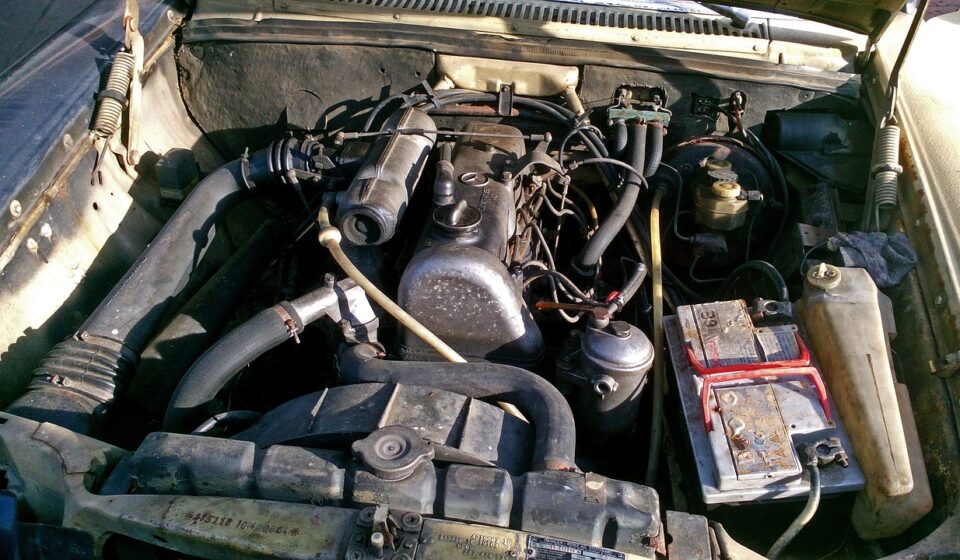
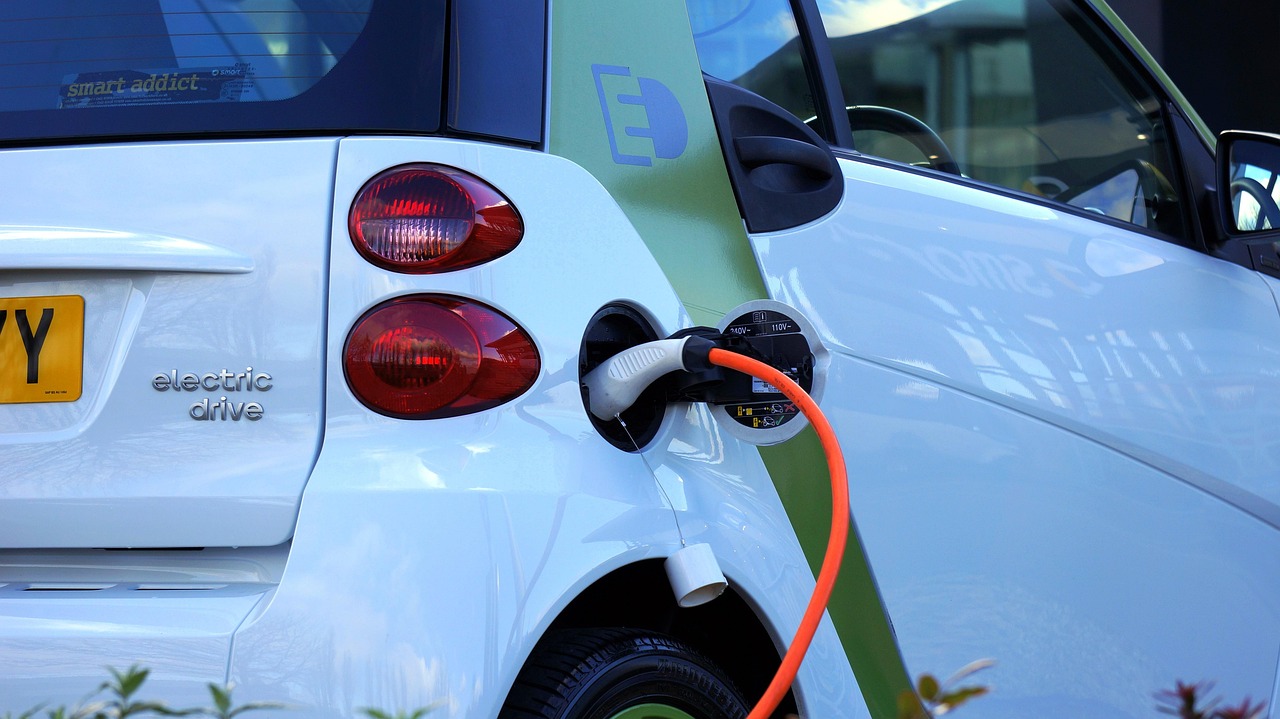
The right replacement car battery is not chosen by brand first. It is chosen by the specification your vehicle was engineered around. Start with the owner’s manual or a verified vehicle lookup, then confirm group size, terminal position, hold-down fit and battery chemistry. Cold cranking amps should meet or slightly exceed the original requirement. Reserve capacity or amp-hour rating also matters when a vehicle has multiple electrical accessories, stop-start operation, short-trip duty or long parking periods. Flooded lead-acid batteries still suit many older vehicles. EFB and AGM batteries are common where cycling demand is higher. Hybrid and electric vehicles may also use a separate low-voltage battery for electronics, locks, lighting and control systems, so their replacement requirements can differ from those of a conventional gasoline car.
If you are comparing energy storage, vehicle maintenance and replacement decisions, the buying guides section offers more practical background for shoppers.
Understand the labels that actually matter
Battery labels combine physical fit, electrical output and warranty terms, which is why they can be easy to misread. The key point is that these specifications are not interchangeable. A battery with more cranking amps is still the wrong choice if the case is too tall, the terminals are reversed or the charging system expects a different battery chemistry.
Battery Council International, widely known as BCI, maintains the common group-size system used in North America. BCI group size is mainly a fitment language: it standardizes maximum dimensions, terminal arrangement and other features that affect whether the battery physically and electrically fits the vehicle. SAE J537 is commonly referenced for the cold cranking amp test, which measures how much current a 12-volt lead-acid battery can deliver at 0°F for 30 seconds while maintaining a minimum voltage. Reserve capacity is a separate rating. It describes how long a fully charged battery can support a defined electrical load before reaching a specified cutoff voltage.
| Specification | What it tells you | How to use it when buying |
|---|---|---|
| BCI group size | Physical case size, terminal arrangement and fit-related features. | Match the owner’s manual or verified vehicle lookup. Do not assume a close size is acceptable. |
| Cold cranking amps | Cold-start current available under a standardized low-temperature test. | Meet or exceed the original specification, especially in cold climates. Do not use CCA as the only buying criterion. |
| Reserve capacity or amp-hours | How much usable electrical support the battery can provide beyond the initial start. | Pay attention if the vehicle has many electronics, infrequent driving, auxiliary loads or stop-start operation. |
| Chemistry and construction | Flooded, EFB, AGM or a vehicle-specific lithium low-voltage battery. | Replace with the same type unless the automaker or a qualified technician confirms an approved substitute. |
| Terminal layout | Post type, polarity and cable reach. | Confirm positive and negative terminal locations before purchase. Reversed terminals can prevent safe installation. |
| Warranty terms | Free-replacement period, prorated coverage and exclusions. | Compare the real coverage period, receipt requirements and installation conditions, not just the headline number of years. |
Choose the right battery type
Most replacement car batteries are still in the lead-acid family, but construction differences matter. The best choice is not the option that sounds most advanced. It is the battery type the vehicle’s charging strategy was designed to manage.
Flooded lead-acid batteries
Conventional flooded batteries are common in older gasoline vehicles and basic daily drivers. They are usually the lower-cost option and can work well when the vehicle was designed for them. Their limitations are more likely to show up under severe vibration, repeated deep discharge, frequent short trips and heavy accessory use. For a car with simple electrical loads and no stop-start system, a quality flooded replacement that matches the correct group size and ratings may be entirely appropriate.
Enhanced flooded batteries
EFB batteries are improved flooded batteries designed for more cycling than a basic flooded battery. They are often used in vehicles with basic stop-start systems or higher electrical demand. If the original equipment battery is EFB, replacing it with a standard flooded battery can shorten service life because the new battery may not tolerate the same cycling pattern.
Absorbed glass mat batteries
AGM batteries use absorbed glass mat separators to hold electrolyte and are generally more resistant to vibration and cycling than conventional flooded designs. They are common in vehicles with stop-start systems, premium electronics, power-hungry accessories, batteries mounted inside the cabin or trunk, and some vehicles that require a sealed battery design. AGM batteries usually cost more, but downgrading an AGM-equipped vehicle to a flooded battery can create charging, durability and diagnostic issues.
Low-voltage lithium batteries
Some newer vehicles use lithium-based low-voltage batteries, especially in electrified platforms. These batteries should not be treated as universal upgrades for older vehicles. Lithium low-voltage batteries require the correct battery management, charging profile, physical fitment and safety procedures. If the vehicle came with a lithium 12-volt or low-voltage battery, follow the manufacturer’s instructions rather than substituting a conventional lead-acid battery by size alone.
Match the battery to climate and driving pattern
AAA consumer guidance consistently points to time, heat and vibration as major factors in battery aging. Heat is especially hard on lead-acid batteries because it accelerates internal chemical degradation, even if the failure becomes obvious later during a cold start. Cold weather does not usually age a battery as quickly as heat, but it increases starting demand and reduces available output at the moment the engine needs power most.
In a cold region, a battery that only barely meets the factory CCA requirement may leave little margin as it ages. In a hot region, the highest CCA number on the shelf is not automatically the smartest purchase. Construction quality, correct chemistry, heat shielding, secure mounting and warranty support can matter more. If your vehicle originally had a battery heat shield, reinstall it with the replacement battery. If the hold-down is missing or loose, fix it, because vibration can shorten battery life.
Driving pattern can be just as important as location. Short trips, frequent accessory use with the engine off, dash cameras, alarm systems and long airport parking can leave the battery partially charged. A chronically undercharged battery ages faster and may test weak even if it is not very old. Drivers who leave a vehicle unused for weeks should consider a compatible maintainer rather than repeatedly jump-starting the battery after it has been deeply discharged.
Check warranty, age and total installed cost
Battery price comparisons are incomplete unless they include the full job. A cheaper battery may become less attractive after installation labor, a core charge, battery registration, recycling fees or a shorter free-replacement period are added. On the other hand, the most expensive AGM battery may be unnecessary for a vehicle that was designed for a standard flooded battery and has modest electrical demand.
Look for a clear free-replacement warranty period, not just a long prorated headline. Keep the receipt, because many retailers require proof of purchase and may require the battery to be tested before approving a warranty claim. If installation is included, ask whether terminal cleaning, hold-down inspection, memory support and battery management reset are part of the service. See also: solar products.
Before buying, confirm that the battery is actually the problem. Slow cranking, clicking, dim lights, warning messages, swollen battery cases and heavy terminal corrosion are common warning signs, but a weak alternator, parasitic drain, loose ground cable or corroded connection can imitate battery failure. A proper battery and charging-system test is more useful than voltage alone. A battery can show acceptable open-circuit voltage and still fail under load.
Also check the replacement battery’s condition before installation. Ask the retailer to test its state of charge if it has been sitting on the shelf, and avoid units with damaged cases, leaking electrolyte, broken handles or signs of rough storage. A new battery should not need a rescue charge immediately after purchase.
Plan installation, reset and recycling before you buy
Car battery replacement can be straightforward on older vehicles, but modern vehicles may require extra steps. Many vehicles with smart charging systems track battery age, capacity and state of charge. Some models require battery registration or a battery management reset after replacement. Ford owner information, for example, describes battery monitoring relearn procedures on some models, while BMW service information commonly refers to battery registration with diagnostic equipment. The practical takeaway is simple: check the owner’s manual before assuming a battery swap is complete when the terminals are tightened.
If you install the battery yourself, use eye protection and gloves, keep metal tools away from both terminals at the same time, secure the hold-down and follow the vehicle-specific terminal procedure. Many conventional vehicles disconnect the negative cable first and reconnect it last, but hybrids, EVs, trunk-mounted batteries and vehicles with backup power modules can have different instructions. For electrified vehicles, do not touch high-voltage components. The National Highway Traffic Safety Administration explains that high-voltage EV and hybrid battery packs are not jump-started like 12-volt batteries, and low-voltage jump-starting procedures should follow the owner’s manual.
Recycling is part of the purchase decision because lead-acid batteries contain lead and sulfuric acid. The U.S. Environmental Protection Agency advises consumers to return lead-acid batteries to a battery retailer or household hazardous waste collection program rather than putting them in trash or curbside recycling bins. EPA historical data estimated a 99% recycling rate for the lead and polypropylene components of lead-acid automotive batteries in 2018, while Battery Council International’s more recent reporting describes U.S. lead battery recycling at about 98% with a long-term rate above 99%. Returning the old core through the retailer keeps the closed-loop system working and usually avoids losing the core deposit.
Frequently asked questions
How do I know what battery my car needs?
Start with the owner’s manual, the label on the original battery and a verified lookup by year, make, model, engine and trim. Confirm group size, terminal position, battery type, CCA and reserve capacity or amp-hour rating. If the vehicle has stop-start, smart charging or an EV or hybrid low-voltage system, check whether battery registration is required.
Can I replace an AGM battery with a cheaper flooded battery?
Usually, you should not downgrade unless the automaker specifically allows it. Vehicles equipped with AGM batteries may use charging strategies and accessory loads that a standard flooded battery is not designed to handle. The cheaper upfront price can lead to shorter service life, warnings or repeat replacement.
How much CCA do I really need?
Use the factory specification as the minimum. More CCA can provide extra cold-start margin if the battery otherwise fits and matches the correct chemistry, but CCA alone does not make a battery better. Reserve capacity, construction type, warranty, fitment and charging compatibility are just as important.
How long should a car battery last?
Many automotive batteries last roughly three to five years, but climate, vibration, charging health, driving pattern and storage habits can shorten or extend that range. Hot climates and repeated deep discharge often reduce life. Testing the battery before summer heat and winter cold is a practical habit.
Do electric vehicles and hybrids have regular car batteries?
Many hybrids and EVs have a low-voltage battery in addition to the high-voltage traction battery. This smaller battery powers electronics, lighting, locks and control modules. It may be 12 volts or another low-voltage design depending on the vehicle. Replacement should follow the owner’s manual because the battery type, location and reset procedure may be different from a gasoline vehicle.