Grass maintenance tips for a healthier, lower-input lawn
Grass care starts with timing and restraint
Good grass care is usually a timing issue, not a product issue. The most useful grass maintenance tips focus on mowing at the right height, watering only when the lawn needs it, feeding during active growth, and checking the cause of weeds or brown patches before treating them. Turf that is cut too short, watered too often, or fertilized at the wrong time becomes less resilient and often needs more corrective work later.
Guidance from EPA WaterSense, EPA nutrient pollution resources, UC Integrated Pest Management, and university Extension programs generally points in the same direction: lawn maintenance should match the grass type, weather, soil condition, and actual use of the site. The practical goal is dense, functional turf that uses water and fertilizer efficiently while reducing runoff, avoidable emissions, and unnecessary chemical treatments.
Identify grass type before changing the maintenance schedule
Many lawn problems start when one calendar is used for every yard. Turf is usually grouped into cool-season and warm-season grasses, and each group has a different growth rhythm. Cool-season grasses, such as tall fescue, Kentucky bluegrass, perennial ryegrass, and fine fescues, grow most actively in cooler spring and fall weather. Warm-season grasses, such as bermudagrass, zoysiagrass, centipedegrass, and St. Augustinegrass, grow most actively from late spring through summer.
That distinction affects almost every maintenance decision. Heavy summer fertilization can add stress to a cool-season lawn. Fertilizing a warm-season lawn too late in fall can push growth when the plant should be slowing down. Seeding, aeration, weed prevention, and mowing height changes also work better when they follow the grass growth cycle rather than the first warm weekend on the calendar.
| Grass group | Main growth period | Maintenance priority |
|---|---|---|
| Cool-season grass | Spring and fall | Protect from summer heat stress, repair thin areas in early fall where local conditions allow, and avoid aggressive summer feeding. |
| Warm-season grass | Late spring and summer | Fertilize and repair during active growth, avoid late-season nitrogen, and expect some winter dormancy in cooler regions. |
| Transition-zone lawns | Variable by species and weather | Use local Cooperative Extension guidance because heat, cold, and disease pressure can all limit performance. |
Mow for root health, not just short appearance
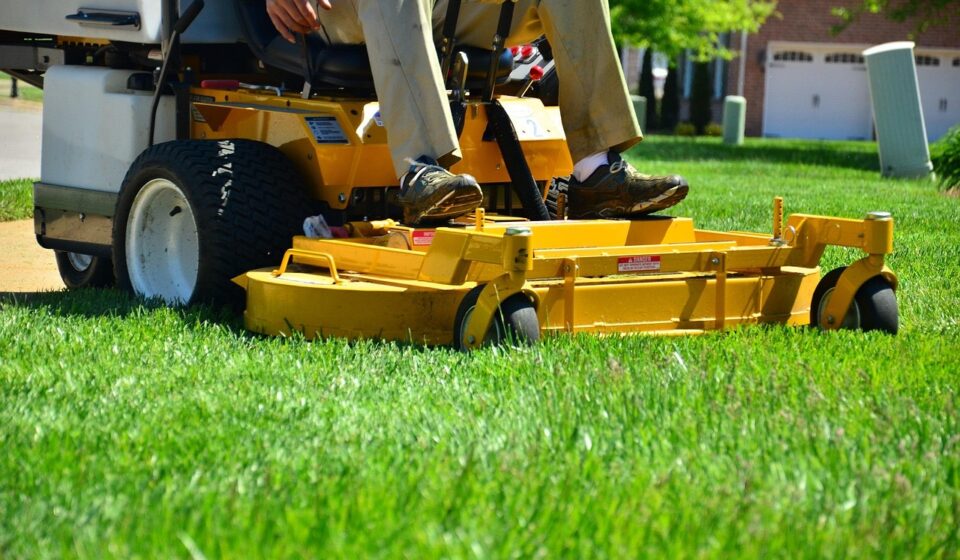
Mowing is the most frequent lawn task, so small mistakes add up quickly. A widely used Extension rule is to remove no more than one-third of the grass blade in a single mowing. For example, if the target height is 3 inches, mow when the grass reaches about 4 inches. Cutting well below that level shocks the plant, reduces leaf area for photosynthesis, and can open space for weeds.
Height matters because grass blades shade the soil and support root growth. During hot or dry periods, many lawns benefit from being kept slightly taller within the recommended range for their species. Taller turf can help lower soil temperature and conserve moisture. However, mowing too high for certain warm-season grasses can contribute to thatch or a loose canopy, so the right height still depends on the grass type.
- Keep mower blades sharp. Torn leaf tips lose moisture faster and can leave the lawn looking gray or ragged after mowing.
- Change mowing direction. Alternating patterns helps reduce rutting and repeated wear in the same tire tracks.
- Avoid mowing soaked soil. Wet mowing can compact soil, leave clumps, and spread some disease problems.
- Leave fine clippings when possible. Grass clippings break down and return nutrients to the soil, reducing the need for some supplemental fertilizer.
- Bag only when needed. Remove clumps that would smother turf, seed-heavy weed clippings, or diseased debris where local guidance recommends cleanup.
Scalping a lawn to delay the next mowing usually backfires. Short grass may look neat for a few days, but it often grows back unevenly, loses density, and allows more light to reach weed seeds at the soil surface.
Water by need, not by calendar
Water is one of the largest resource issues in lawn care. EPA WaterSense estimates that residential outdoor water use in the United States is nearly 8 billion gallons per day, mostly for landscape irrigation. That does not mean every lawn should be kept dry. It means irrigation should be measured, targeted, and adjusted to weather.
A common baseline is about 1 inch of water per week from rainfall and irrigation combined, but soil, climate, grass type, shade, slope, and local restrictions can change that number. Sandy soils drain quickly and may need shorter, more frequent cycles. Clay soils absorb water slowly and may need cycle-and-soak watering to prevent runoff. Lawns in rainy regions may need little or no irrigation for long stretches.
The footprint test is a simple field check. If grass blades spring back after you walk across the lawn, irrigation can usually wait. If footprints remain visible several minutes later and the soil is dry, the lawn may need water. Another practical method is to place shallow cans around the sprinkler zone and measure how long it takes to collect about half an inch, then divide watering into one or two sessions as conditions require.
- Water early in the morning. This reduces evaporation compared with midday watering and allows foliage to dry better than late-night irrigation.
- Keep water on the landscape. Sprinklers aimed at sidewalks, driveways, and streets waste water and increase runoff.
- Inspect irrigation monthly during the season. Broken heads, clogged nozzles, overspray, and leaks can waste substantial water.
- Let some lawns go dormant when appropriate. Established cool-season turf can naturally brown during drought, but it still may need occasional water to protect crowns during prolonged dry periods.
Frequent light watering is one of the most common mistakes. It encourages shallow roots and can increase disease and weed pressure. Deep, less frequent irrigation is usually better when the lawn actually needs supplemental water.
Fertilize only after soil and season make sense
Fertilizer works best when grass is actively growing and the soil can use the nutrients. EPA nutrient pollution guidance advises applying fertilizer as close as possible to the period of maximum plant uptake. In general, that means spring and fall for many cool-climate lawns and early to late summer for warm-climate warm-season lawns. Local Extension calendars should guide the exact timing because climate and species vary widely.
Before buying fertilizer, get a soil test if one is available through a local Extension service or reputable lab. A soil test can identify pH problems and phosphorus or potassium needs. Nitrogen recommendations often depend on turf species, desired appearance, soil conditions, and local rules. Applying nutrients without testing can waste money, weaken turf, or contribute to runoff into storm drains and waterways.
- Follow the label rate. More fertilizer does not automatically produce a healthier lawn.
- Sweep granules off hard surfaces. Fertilizer left on pavement can wash into stormwater systems.
- Do not fertilize before heavy rain. Timing applications ahead of storms increases the chance of nutrient loss.
- Use clippings as part of the nutrient plan. Returning clippings can supply some nitrogen over time.
- Check local restrictions. Some areas limit phosphorus fertilizer, seasonal application windows, or fertilizer use near waterways.
For a lower-input lawn, the goal is not maximum dark green color every week. It is steady growth, dense cover, and enough fertility to recover from traffic, heat, and normal wear without pushing excessive top growth.
Manage weeds, insects, and disease by reducing stress first
Weeds and pests often show up where the lawn is already under stress. Thin turf gives weed seedlings sunlight and space. Overwatering can support fungal disease. Compaction reduces oxygen and water movement in the root zone. Overfertilizing can make grass lush but weak. UC Integrated Pest Management and EPA IPM principles both emphasize monitoring, correct identification, and action thresholds before treatment.
In practical terms, do not treat every brown patch as an insect problem or every weed as a reason for blanket herbicide use. Dog urine, dull mower blades, drought stress, buried debris, irrigation gaps, fertilizer burn, disease, insects, and pet damage can all create similar-looking symptoms. Digging a small inspection area, checking soil moisture, reviewing recent fertilizer or herbicide applications, and identifying the weed or pest should come before choosing a control product. See also: solar products.
| Visible problem | Likely maintenance check | Better first response |
|---|---|---|
| Crabgrass and bare soil | Lawn is thin or mowed too short | Raise mowing height, improve density, and time pre-emergent control locally if needed. |
| Broadleaf weeds in compacted areas | Traffic and poor root growth | Relieve compaction during the right season and overseed suitable grass. |
| Brown patches after watering changes | Uneven irrigation or disease risk | Measure sprinkler output and avoid late-day overwatering. |
| Insect suspicion | Damage may have non-insect causes | Confirm pest presence and threshold before applying insecticide. |
Chemical controls can be useful when properly selected and applied, but they should not replace basic turf health. A dense, well-maintained lawn remains the most reliable long-term weed prevention strategy.
Repair thin grass and compacted soil at the right time
Repair work is most successful when the grass is ready to grow. For many cool-season lawns, early fall is often the preferred window for overseeding because temperatures are milder and young grass has time to establish before winter. Spring seeding can work in some climates, but young seedlings may struggle with summer heat and weed competition. Warm-season lawns are usually repaired during active late spring or summer growth, depending on species and local conditions.
Good seed-to-soil contact is essential. Mowing slightly lower before overseeding, removing heavy debris, loosening the soil surface, and watering carefully after seeding usually matter more than adding extra products. Bare patches should also be diagnosed. If the cause is shade, foot traffic, drainage, pet damage, or poor soil, seed alone may fail again.
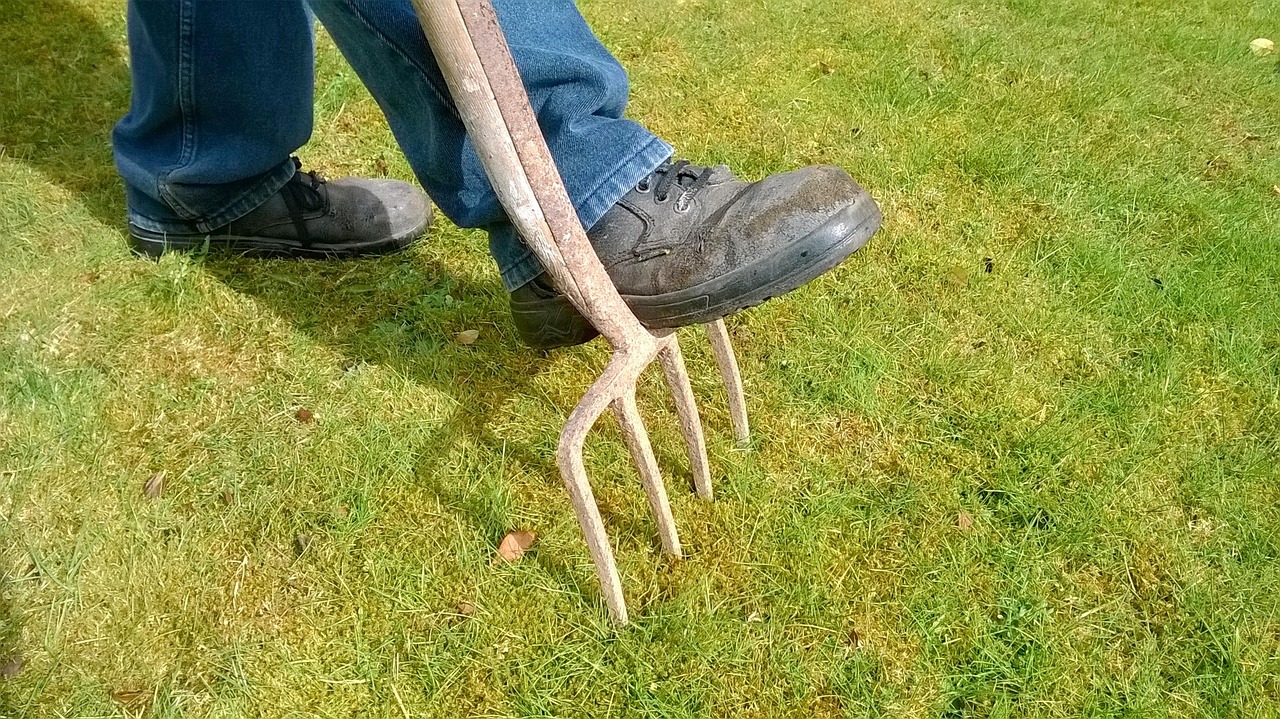
Core aeration can help compacted lawns by removing small soil plugs and improving air and water movement. It is usually most appropriate during active growth, not during heat or drought stress. Dethatching is different from aeration and should be based on actual thatch thickness. A thin thatch layer is normal; aggressive dethatching at the wrong time can damage healthy turf.
- Repair traffic patterns. Add stepping stones, paths, or play-zone rotation where repeated wear destroys grass.
- Match seed to site conditions. Shade, sun, drought tolerance, and wear tolerance matter as much as color.
- Water new seed lightly and consistently. Established lawns and new seed have different irrigation needs.
- Keep leaves manageable. Mulch light leaf cover into the lawn, but remove heavy mats that block light and air.
Make routine maintenance cleaner and easier
Lower-input lawn care also depends on the tools used to maintain the yard. EPA yard guidance notes that properly maintaining outdoor power equipment can reduce emissions. For gasoline tools, that means clean filters, correct fuel handling, tuned engines, sharp blades, and no spills during refueling. For battery-electric tools, it means charging and storing batteries according to the manufacturer instructions, keeping blades sharp, and selecting equipment sized for the lawn rather than oversized for the task.
Battery mowers and trimmers can reduce on-site exhaust and simplify routine maintenance for many small and medium lawns, but tool choice does not replace good turf practice. A dull electric mower still tears grass. A powerful gas mower still causes stress if it scalps the lawn. The most sustainable setup is a right-sized tool system combined with proper mowing height, efficient irrigation, measured fertilization, and fewer unnecessary treatments.
For more practical yard and equipment care articles, visit the maintenance tips section.
Frequently asked questions
How often should I mow grass?
Mow based on growth, not a fixed weekly rule. The best general guideline is to remove no more than one-third of the grass blade at a time. During fast spring growth, that may mean mowing more than once a week. During drought or dormancy, the lawn may need little or no mowing.
Is it better to water grass every day?
Daily watering is usually not best for established turf. It often encourages shallow roots and can increase disease pressure. Most established lawns perform better with deeper, less frequent watering when rainfall is not enough, adjusted for soil type and local weather.
Should grass clippings be left on the lawn?
Yes, in most routine mowing, fine clippings can be left on the lawn. They decompose and return nutrients and organic matter. Bag clippings if they form heavy clumps, if weeds have gone to seed, or if disease management guidance for your area recommends removal.
When is the best time to fertilize grass?
The best timing depends on grass type and climate. Cool-season lawns commonly benefit from feeding during cooler active growth periods, while warm-season lawns are usually fertilized during late spring and summer active growth. A soil test and local Extension calendar are more reliable than a national schedule.
Why does grass turn brown in summer?
Brown summer grass may be dormant from heat or drought, but it can also result from uneven irrigation, compacted soil, dull mower blades, fertilizer burn, disease, insects, or pet damage. Check soil moisture, irrigation coverage, and recent maintenance before treating the area.